Acrylic nails are a highly sought-after beauty treatment, offering durability and versatility for stunning nail enhancements. Acrylic for nails refers to a mixture of a liquid monomer and a powdered polymer that creates a hard, protective layer over your natural nails, providing strength and a beautiful finish. At Barberia Peluquería Look Madrid, we understand the artistry and science behind perfect acrylic applications, ensuring our clients receive top-notch service and exquisite results. This comprehensive guide will explore the fascinating world of acrylic nails, detailing their composition, application, benefits, and maintenance.
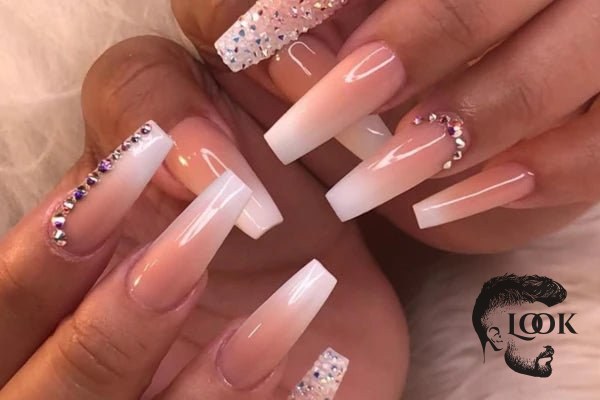
Understanding the Composition of Acrylic Nails
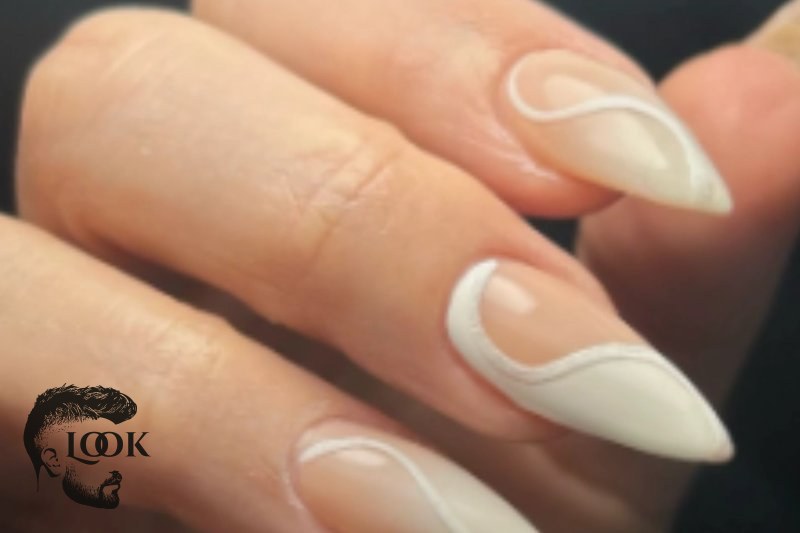
Acrylic nails are a testament to chemical ingenuity, combining specific components to form a resilient and beautiful nail enhancement. The fundamental elements are a liquid monomer and a powdered polymer. When these two substances are mixed, they undergo a chemical reaction that allows them to harden into a durable material without needing external light, unlike gel nails. This unique hardening process is crucial to the strength and longevity of acrylics.
The liquid monomer is typically ethyl methacrylate (EMA), which provides the flexibility and workability needed for application. The powdered polymer consists of polymethyl methacrylate (PMMA) beads, which contribute to the final product’s strength and rigidity. Together, they create a malleable bead that nail technicians can sculpt onto the nails. This mixture is precisely what is acrylic for nails, forming the foundation of many stunning manicures.
The Application Process for Acrylic Nails
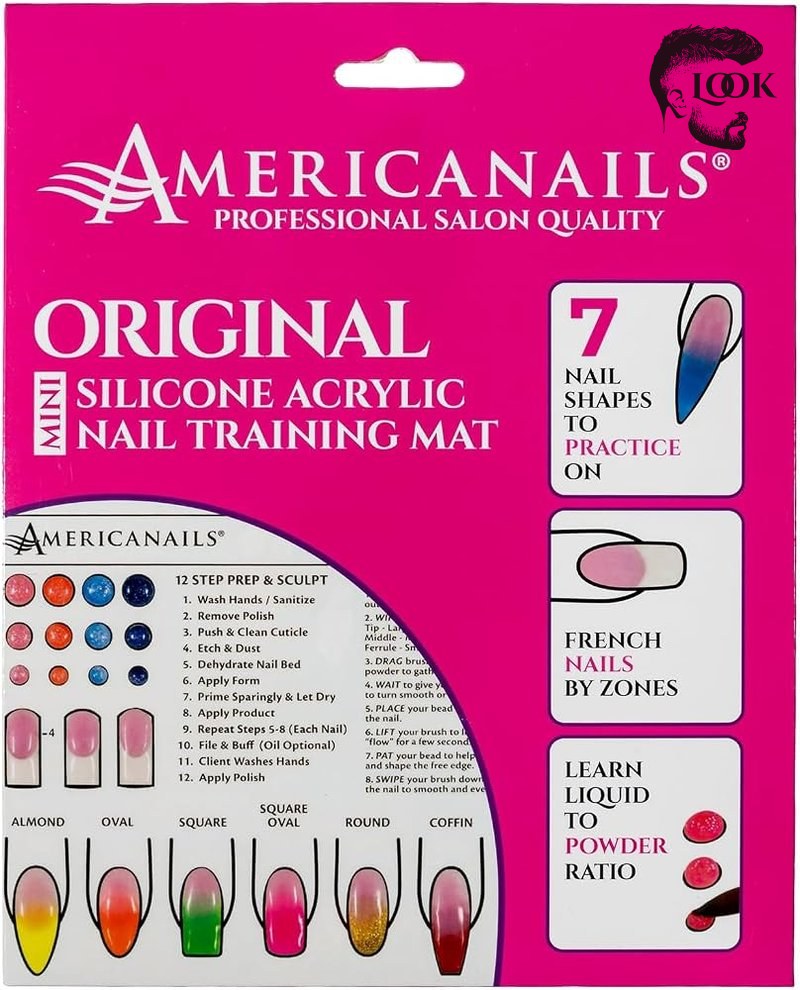
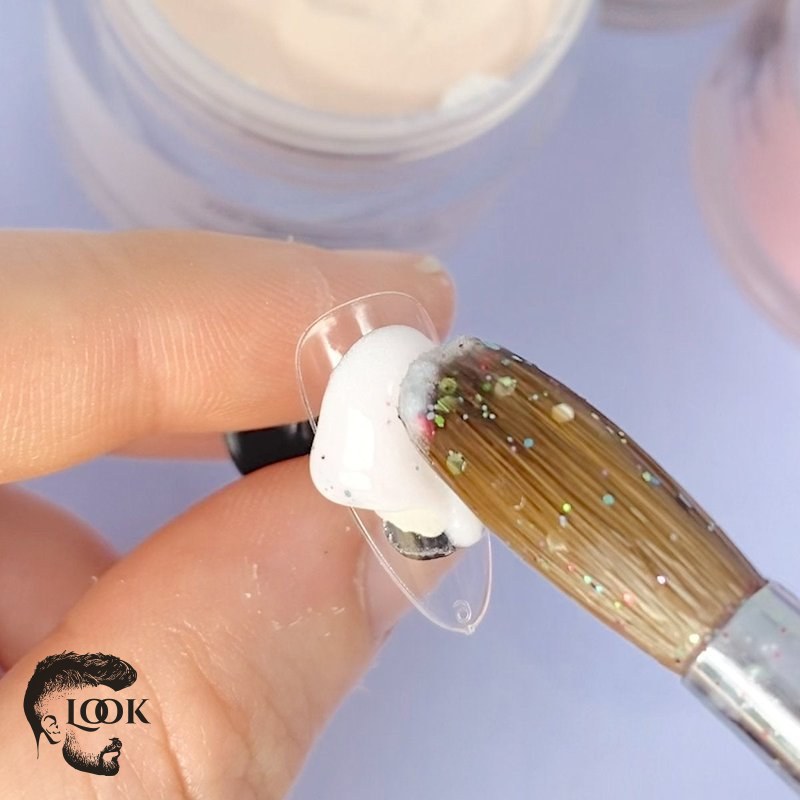
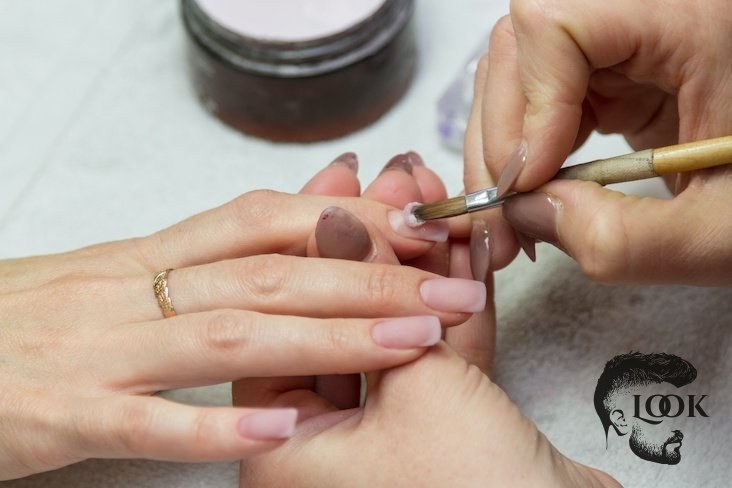
The application of acrylic for nails is a meticulous process that requires skill and precision. It begins with preparing the natural nails, which includes cleaning, filing, and pushing back cuticles to ensure a clean surface. A primer is then applied to enhance adhesion and prevent lifting. The nail technician then dips a brush into the liquid monomer and then into the powdered polymer, creating a small, soft bead of acrylic.
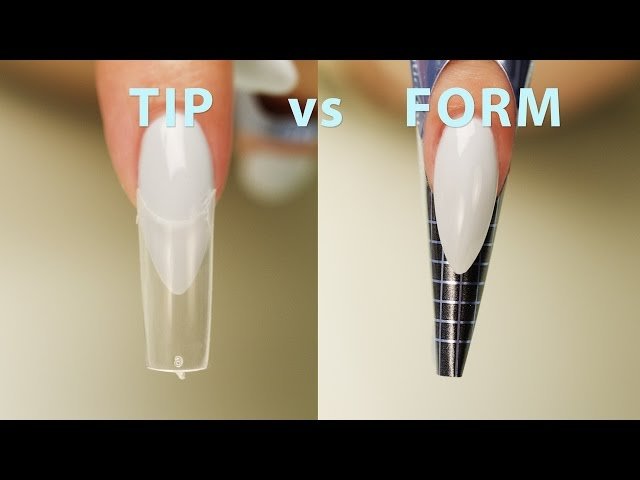
This bead is carefully applied to the natural nail and sculpted into the desired shape and length, often using a nail tip or form as a guide. The technician works quickly as the acrylic hardens relatively fast upon exposure to air. Once the acrylic has fully cured, it is filed and buffed to achieve a smooth, even surface, followed by the application of a top coat for shine and protection. This detailed process ensures a long-lasting and aesthetically pleasing finish.
Benefits and Advantages of Choosing Acrylic Nails
Choosing acrylic for nails comes with a multitude of benefits that make them a popular choice for many. One of the primary advantages is their exceptional durability. Acrylic nails are renowned for their strength, making them highly resistant to chipping, breaking, and general wear and tear. This resilience means they can withstand daily activities without losing their pristine appearance, offering a long-lasting manicure solution.
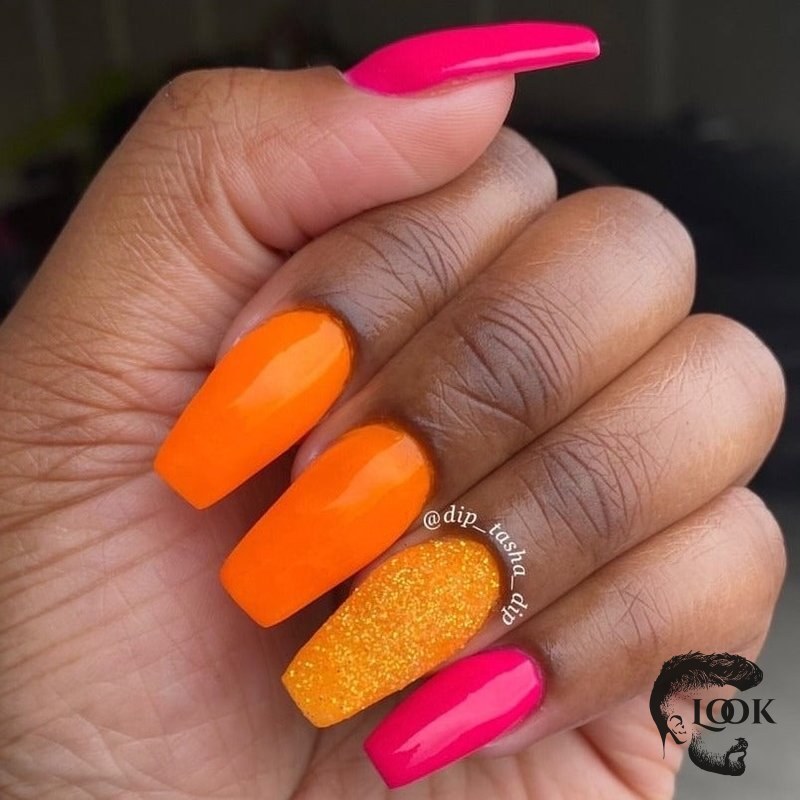
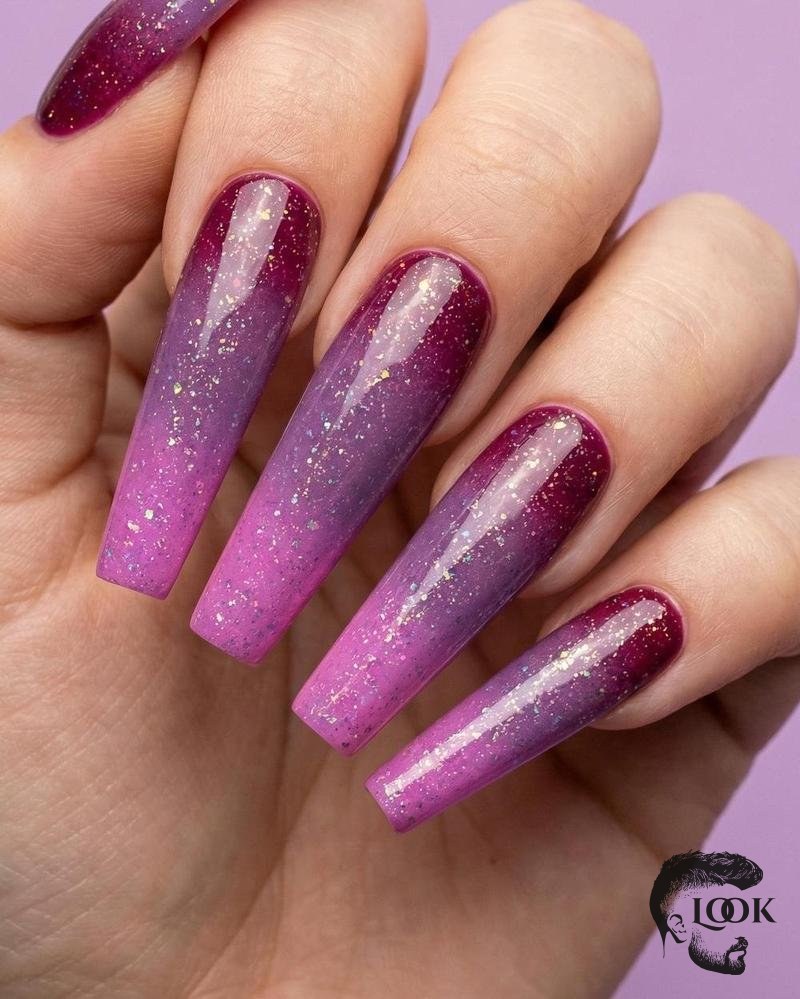
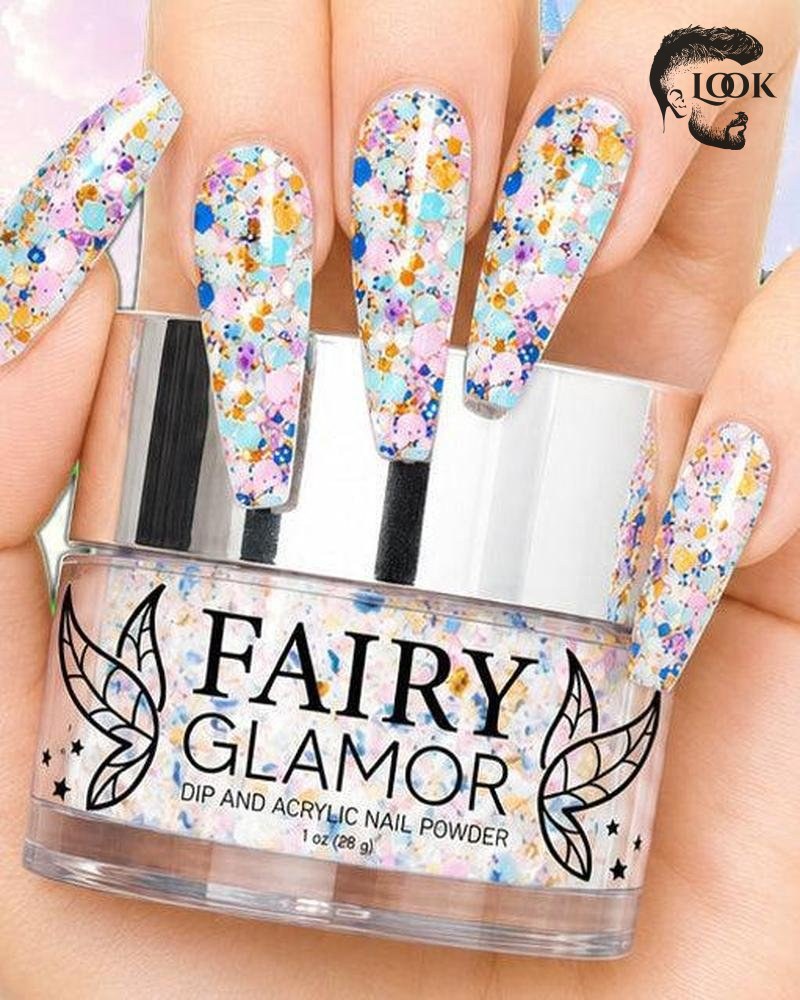
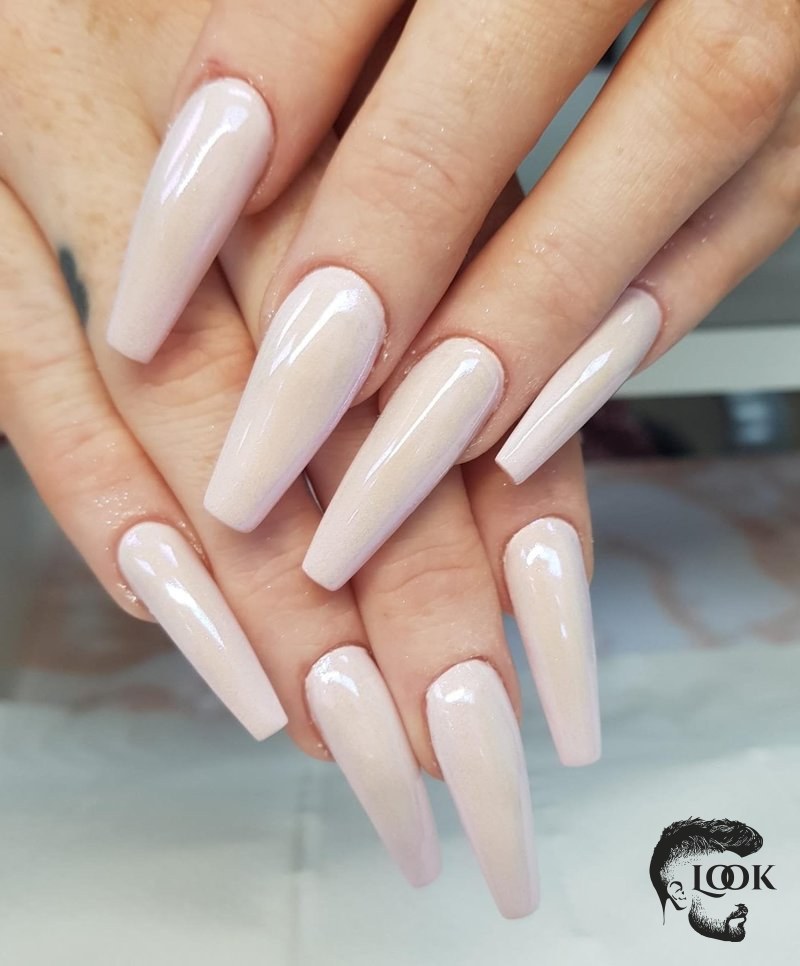
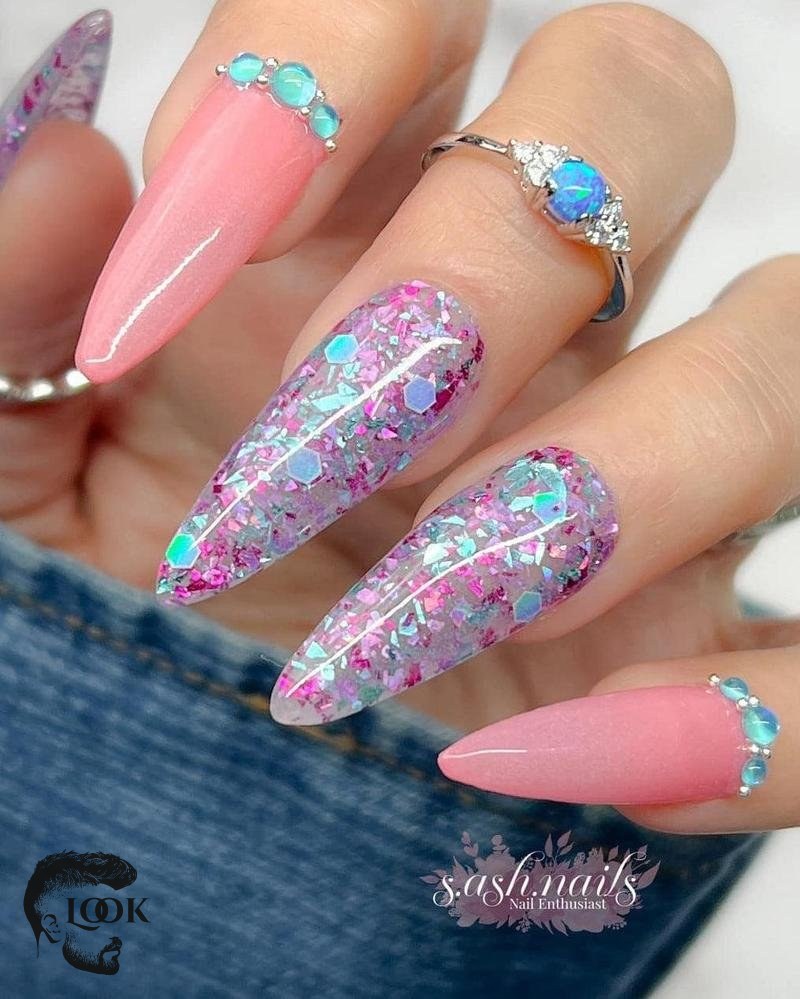
Another significant benefit is their versatility in design. Acrylic can be sculpted into various shapes and lengths, from classic square to trendy coffin or stiletto, allowing for extensive customization. They also provide an excellent canvas for elaborate nail art, encapsulating glitter, or intricate designs. For individuals looking to extend the length of their natural nails or create a specific aesthetic, acrylics offer the perfect medium. This adaptability is why many clients at Barberia Peluquería Look Madrid opt for this treatment.
Comparing Acrylic Nails with Other Nail Enhancements
When considering what is acrylic for nails, it is helpful to compare them with other popular nail enhancements like gel and dip powder. Each type offers distinct characteristics in terms of application, durability, and removal, influencing a client’s choice. Understanding these differences can help you decide which enhancement best suits your lifestyle and aesthetic preferences.
Here is a table summarizing the key differences:
| Feature | Acrylic Nails | Gel Nails | Dip Powder Nails |
|---|---|---|---|
| Composition | Liquid monomer + Powder polymer | Gel-based product | Powder + Adhesive base coat |
| Curing Method | Air-dries naturally | Requires UV/LED light | Activator liquid |
| Durability | Very strong and rigid | Flexible and durable | Strong and lightweight |
| Appearance | Can look thicker; classic hard finish | Glossy, natural feel; thinner application | Durable, lighter feel than acrylics |
| Removal | Soaked off with acetone | Soaked off/filed off with acetone | Soaked off with acetone |
| Flexibility | Less flexible, prone to snapping under extreme pressure | More flexible, less prone to breaking | Good flexibility, less prone to chipping |
Each type has its unique advantages. Acrylics are ideal for those seeking extreme durability and customizability, especially for length and shape. Gels offer a more natural, flexible feel with a high-gloss finish. Dip powders provide a strong, lightweight alternative that doesn’t require UV light for curing. The choice often comes down to personal preference and the specific needs of your nails.
Maintaining and Caring for Your Acrylic Nails
Proper maintenance is essential to ensure the longevity and beauty of your acrylic for nails. While acrylics are incredibly durable, they still require diligent care to prevent damage and keep them looking their best. One of the most crucial aspects of maintenance is regular fills. As your natural nails grow, a gap will appear between your cuticle and the acrylic. Fills involve applying new acrylic to this gap, rebalancing the nail, and ensuring its structural integrity. These appointments are typically recommended every two to three weeks, depending on your nail growth.
Beyond fills, daily care plays a vital role. Avoid using your nails as tools to open cans or scratch surfaces, as this can cause them to lift or break. Wearing gloves when doing household chores, particularly those involving harsh chemicals or prolonged water exposure, can also protect your acrylics. Moisturizing your cuticles daily with cuticle oil helps keep them healthy and prevents them from drying out, which can also contribute to lifting. By following these simple steps, you can significantly extend the life and beauty of your acrylic manicure.
The Removal Process of Acrylic Nails
Removing acrylic for nails correctly is just as important as the application to prevent damage to your natural nails. Attempting to pry, chip, or pull off acrylics can cause significant harm, leading to thinning, breakage, and weakening of the underlying nail bed. The safest and most effective method involves soaking the nails in acetone. This process should ideally be performed by a professional nail technician to ensure proper technique and minimal damage.
During a professional removal, the technician will typically file down the top layer of the acrylic to break the seal and allow the acetone to penetrate more effectively. Each nail is then soaked in a bowl of acetone or wrapped in cotton soaked in acetone and foil. The soaking time can vary but usually takes about 20-30 minutes. The acetone dissolves the acrylic, turning it into a soft, gel-like substance that can be gently pushed off with an orangewood stick. After removal, the natural nails are typically buffed, moisturized, and conditioned to restore their health.
Potential Drawbacks and Considerations for Acrylic Nails
While acrylic for nails offers numerous advantages, it’s also important to be aware of potential drawbacks and considerations before committing to this nail enhancement. Understanding these factors can help you make an informed decision and ensure a positive experience. One common concern is the potential for damage to natural nails if not applied or removed correctly. Improper application can trap moisture, leading to fungal infections, while forceful removal can strip away layers of the natural nail.
Another consideration is the maintenance commitment. Acrylics require regular fills every few weeks, which can be a time and financial investment. If fills are neglected, the imbalance in the nail can lead to lifting or breakage. The application process also involves strong chemical odors from the monomer, which can be a concern for some individuals with sensitivities. Choosing a reputable salon like Barberia Peluquería Look Madrid, where technicians are highly skilled and prioritize nail health, can mitigate many of these potential issues.
Frequently Asked Questions About Acrylic Nails
Here are some common questions people ask about acrylic for nails.
How long do acrylic nails typically last?
Acrylic nails generally last about 2-3 weeks before needing a fill, depending on your natural nail growth and how well you maintain them. With proper care and regular maintenance, they can be a long-lasting enhancement.
Can I apply acrylic nails at home by myself?
While DIY acrylic nail kits are available, professional application is strongly recommended. Applying acrylic for nails requires specific skills, precision, and knowledge of proper hygiene to prevent damage and achieve salon-quality results.
Are acrylic nails bad for your natural nails?
When applied and removed correctly by a skilled technician, acrylic nails should not severely damage your natural nails. Problems usually arise from improper application, removal, or neglecting maintenance, leading to issues like thinning or infections.
What is the difference in cost between acrylic and gel nails?
The cost of acrylic and gel nails can vary depending on the salon, location, and complexity of the design. Generally, the initial application of acrylics and gels is comparable, but fill-ins for gels might sometimes be slightly more expensive due to the curing process.
How can I protect my acrylic nails from chipping?
To protect your acrylic for nails from chipping, avoid using them as tools, wear gloves during household chores, and moisturize your cuticles daily. Regular fills also help maintain their strength and prevent lifting, which can lead to chips.
Achieve Stunning Nails at Barberia Peluquería Look Madrid
Understanding what is acrylic for nails reveals a world of durable, versatile, and beautiful nail enhancements that can transform your look. From their unique composition of liquid monomer and polymer powder to the meticulous application process, acrylics offer a robust solution for achieving desired length, shape, and intricate designs. We’ve explored their benefits, compared them to other enhancements, and discussed essential maintenance and removal practices, ensuring you have a complete picture of this popular nail treatment.
At Barberia Peluquería Look Madrid, we are dedicated to providing exceptional nail services, guiding you through every step to ensure your acrylic for nails experience is flawless and satisfying. Our skilled technicians are experts in applying and caring for acrylics, ensuring your natural nails remain healthy while you enjoy stunning, long-lasting results. Ready to elevate your manicure? Visit us today to discover the perfect acrylic nail design for you and experience the professional difference. Explore more about how we can enhance your beauty at Barberia Peluquería Look Madrid’s acrylic nail services.