Choosing the right nail enhancement can be a bit overwhelming with so many options available today. At Barberia Peluquería Look Madrid, we understand that you want your nails to look perfect and feel comfortable. When it comes to extending your nails, two popular methods often cause confusion: nail tips and acrylic nails. The primary difference lies in their application and composition: nail tips are pre-formed extensions applied to the natural nail to add length, while acrylic nails are a complete enhancement system created by mixing a liquid monomer and powder polymer directly onto the natural nail or over a tip. This guide will break down the nuances, helping you make an informed decision for your next manicure.
Understanding the distinction between these two options is key to achieving your desired aesthetic and ensuring the health of your natural nails. While both can provide length and strength, their fundamental nature and application processes are quite different. Let’s delve into the specifics to clarify what each method entails and what makes them unique.
Many clients come to us asking about the best way to get longer, stronger nails. Often, they use the terms “tips” and “acrylics” interchangeably, but there’s a vital distinction that impacts durability, appearance, and maintenance. We’re here to demystify these options so you can confidently choose the ideal solution for your lifestyle.
Differentiating Between Nail Tips and Full Acrylic Applications
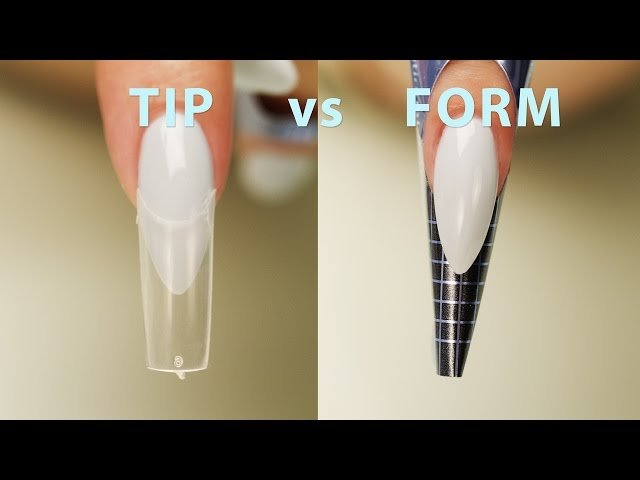
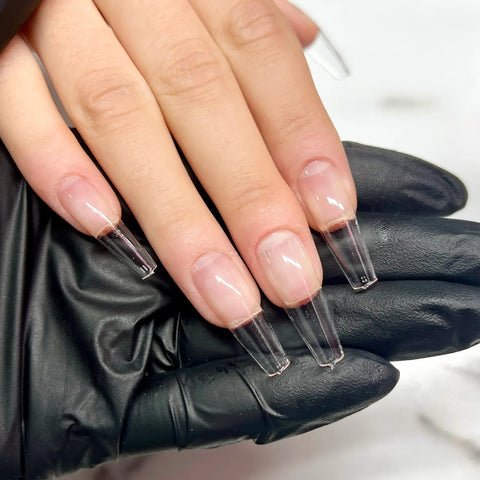
The core distinction between nail tips and full acrylic applications lies in their purpose and how they are constructed. Nail tips, in essence, are pre-shaped pieces, typically made of plastic or gel, that are glued onto the free edge of your natural nail to instantly add length. They act as a foundation or an extension to build upon. Once the tip is securely attached and shaped, it is then usually covered with an overlay material, which could be gel, dipping powder, or even acrylic. This overlay provides strength, durability, and the desired finish, masking the seam between the natural nail and the tip.
On the other hand, a full acrylic application involves building the entire nail extension from scratch using a liquid monomer and powder polymer. This mixture creates a dough-like bead that is applied directly to the natural nail. The technician sculpts this material to create the desired length, shape, and apex without needing a pre-formed tip. The acrylic hardens as it air-dries, forming a strong, durable layer. This method allows for greater customization in terms of shape and length, as the technician has complete control over the structure from the base up.
When considering tips vs acrylic nails, it’s helpful to visualize the process. With tips, you’re essentially adding a scaffold for the building material. With full acrylics, the building material itself forms the entire structure. Both methods aim to enhance your nails, but the initial steps and material usage are quite distinct. This fundamental difference influences everything from the application time to the overall feel and flexibility of the final result.
Understanding Nail Tips and Their Role in Extensions
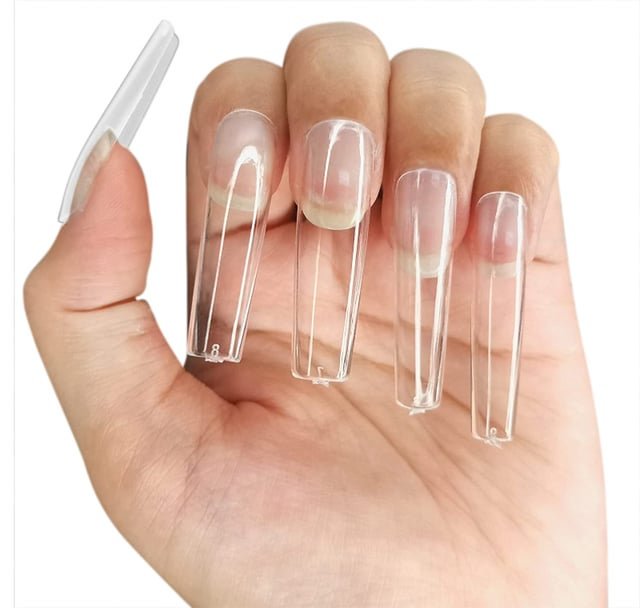
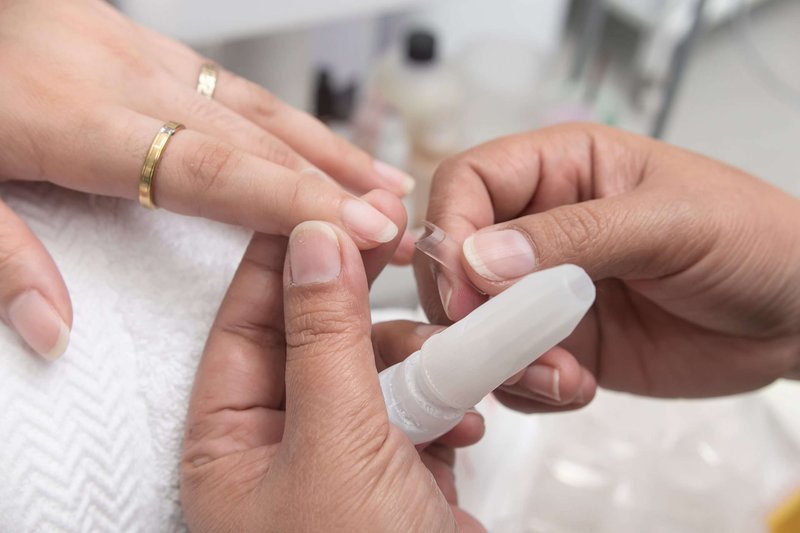
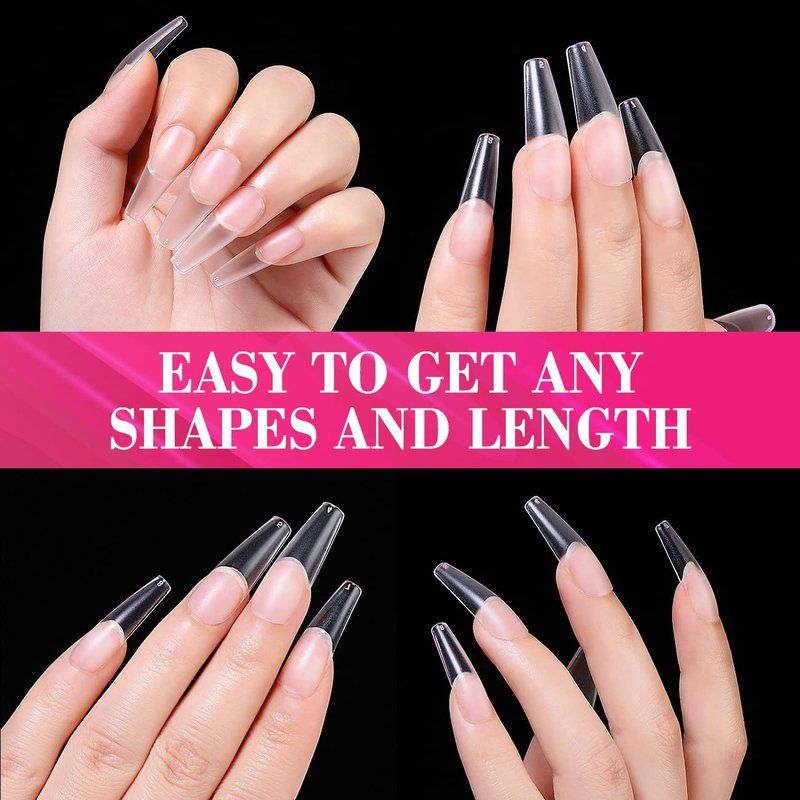
Nail tips serve as a quick and effective way to add immediate length to your nails. They come in various shapes and sizes, allowing technicians to tailor them to your natural nail bed and desired style. The application typically involves filing and preparing the natural nail, applying a small amount of nail glue to the tip, and then carefully pressing it onto the free edge. Once adhered, the tip can be trimmed and shaped further to achieve the perfect look.
While tips themselves add length, they are not designed to be worn alone. They are relatively thin and can be brittle without an overlay. Therefore, after the tip is applied, a strengthening material like gel, acrylic, or dip powder is applied over the entire nail, including the tip. This overlay not only provides strength and prevents breakage but also helps blend the tip seamlessly with your natural nail, creating a smooth and natural-looking extension.
The use of tips can be particularly beneficial if you have short or uneven natural nails and desire instant length. They offer a great starting point for various nail art and designs, as they provide a uniform canvas. However, proper application and blending are crucial to avoid a visible seam and ensure the longevity of your manicure.
Exploring Full Acrylic Nail Systems and Their Benefits
Full acrylic nails are renowned for their strength and versatility. This system involves a chemical reaction between a liquid monomer and a powder polymer, which creates a durable, long-lasting nail enhancement. The skilled application by a professional technician ensures that the acrylic is sculpted perfectly to your nail bed, offering a custom fit that can be quite resilient to daily wear and tear.
One of the significant advantages of full acrylics is their durability. They are less prone to chipping or breaking compared to some other nail enhancements, making them a popular choice for individuals who lead active lifestyles or who want their manicure to last for several weeks. The sculpting process also allows for precise control over the shape and arch of the nail, enabling a wide range of designs, from classic square to trendy coffin shapes.
Maintenance for full acrylics typically involves fills every 2-3 weeks, where new acrylic is applied to the growth area to maintain the nail’s strength and appearance. While removal requires soaking, it’s essential to have this done by a professional to prevent damage to your natural nails. Acrylics provide a robust foundation for elaborate nail art and can significantly transform the look of your hands.
Key Differences in Application and Durability of Tips vs Acrylic Nails
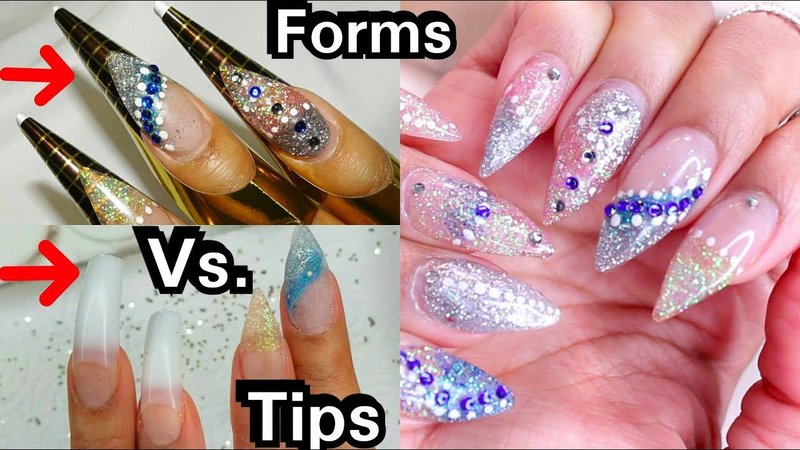
When you’re deciding between tips and full acrylics, understanding the differences in their application and how durable each option is can significantly influence your choice. The application process for tips usually begins with adhering a pre-formed plastic or gel tip to the free edge of your natural nail. This step is relatively quick, providing instant length. After the tip is in place, an overlay material, such as acrylic, gel, or dip powder, is applied over the entire nail to add strength and create a seamless look. This method is often preferred for its speed and ability to achieve uniform length quickly, especially if your natural nails are very short or uneven.
In contrast, full acrylic nails are built entirely from a mixture of liquid monomer and powder polymer directly onto your natural nail. No pre-formed tip is necessarily involved. The technician meticulously sculpts this mixture to create the desired length, shape, and thickness. This freehand sculpting requires a higher level of skill and can take more time, but it offers unparalleled customization. The resulting acrylic structure provides exceptional strength and durability, often feeling more robust and less prone to breakage than a tip with an overlay, particularly if the tip isn’t perfectly blended or adequately covered.
In terms of durability, full acrylics generally stand out. Because the entire nail extension is formed from a single, strong material, it tends to be very resilient to daily impacts and activities. Gel tips, while offering a natural look and flexibility, might be slightly less durable than their acrylic counterparts. However, the overall durability of both options heavily relies on the skill of the technician and the quality of the products used. Regardless of your choice, proper aftercare is crucial for maximizing the lifespan of your manicure, whether you opt for tips with an acrylic overlay or a full acrylic set.
Application Process: Tips vs. Full Acrylic Nails
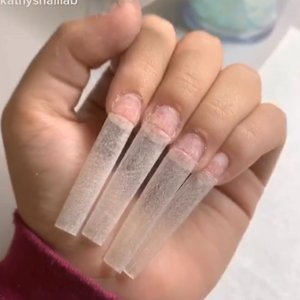
The application process is one of the most significant distinguishing factors when comparing tips vs acrylic nails. For nail tips, the initial step involves selecting the correct size and shape of a plastic or gel tip, which is then glued onto the free edge of your natural nail. This provides immediate length. Following this, the nail technician will blend the seam of the tip into your natural nail and then apply an overlay material such as acrylic, hard gel, or even dipping powder to encapsulate the entire nail, providing strength and a finished look.
In contrast, a full set of acrylic nails involves applying a mixture of liquid monomer and powder polymer directly onto your prepped natural nails. The technician uses a brush to sculpt this malleable mixture onto your nail bed, forming the extension and desired shape without the need for a pre-made tip. The acrylic then air-dries and hardens, creating a durable layer. This method allows for a completely customized shape and arch, often resulting in a stronger, more seamless integration with your natural nail.
While tips offer a faster initial length gain, the skill of the technician in blending the tip and applying the overlay is crucial for a natural look and strong adhesion. Full acrylics, though potentially taking longer to apply due to the sculpting process, provide a more homogeneous and robust structure from base to tip. Both methods require proper nail preparation to ensure adhesion and longevity, including cleaning, filing, and dehydrating the natural nail plate.
Durability and Longevity: Which Option Lasts Longer?
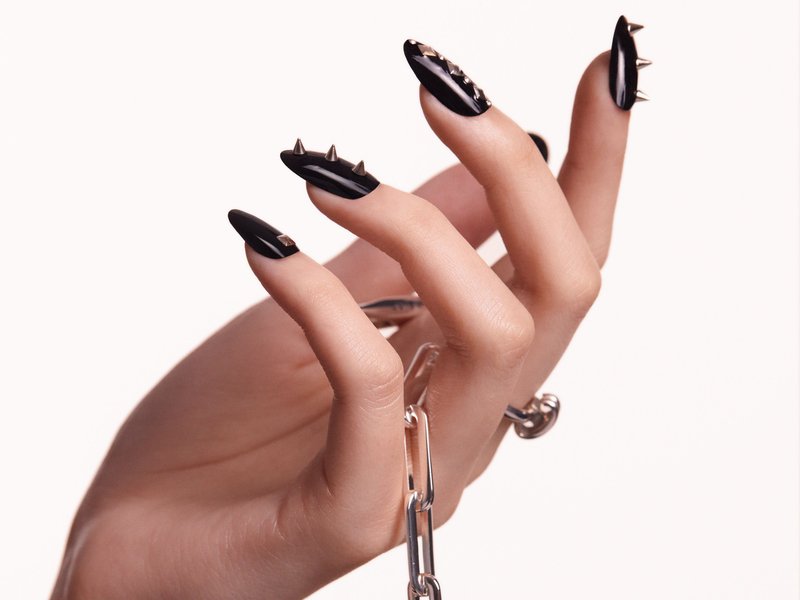
When it comes to durability and longevity, both nail tips (with an overlay) and full acrylic nails can offer impressive wear, but there are subtle differences to consider. Full acrylic nails are generally known for their exceptional strength and resilience. Because they are sculpted as a single, cohesive unit from a durable polymer, they tend to withstand daily wear and tear very well. They are less prone to minor chips and breaks, making them a popular choice for those seeking a long-lasting and robust nail enhancement.
Nail tips, when properly applied with a strong overlay (such as acrylic or hard gel), can also be very durable. The strength in this case comes primarily from the overlay material. However, if the tip is not perfectly blended or if the overlay is too thin, there can be a slight vulnerability at the seam where the tip meets the natural nail. This doesn’t mean they are weak, but rather that the strength is distributed differently than in a fully sculpted acrylic nail.
Ultimately, the longevity of both options largely depends on several factors: the skill of your technician, the quality of the products used, and your personal nail care routine. With proper maintenance, including regular fills every 2-3 weeks, both options can last for several weeks. Full acrylics might have a slight edge in terms of inherent strength, but a well-executed set of tips with an overlay can also provide excellent durability. At Barberia Peluquería Look Madrid, we ensure top-quality application for both options.
Comparing Aesthetic Appeal and Natural Feel
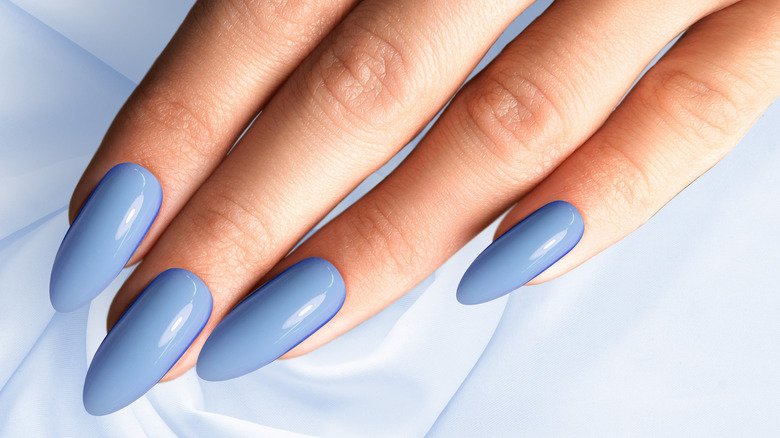
When you’re choosing between different nail enhancement options, the aesthetic appeal and how natural they feel are often top priorities. Both nail tips and full acrylics can deliver beautiful, elongated nails, but they achieve this with subtle differences in appearance and tactile sensation. Full acrylic nails, because they are sculpted directly onto your natural nail, offer immense flexibility in shaping and creating a customized, often very natural-looking arch and apex. A skilled technician can sculpt the acrylic to mimic the natural curve of your nail, making them look seamlessly integrated. This allows for a very tailored fit and can result in a lighter feel, as the product is meticulously placed only where needed to build structure and strength. The smooth, continuous surface of a well-applied acrylic can also provide a sophisticated finish that truly enhances the hand’s appearance.
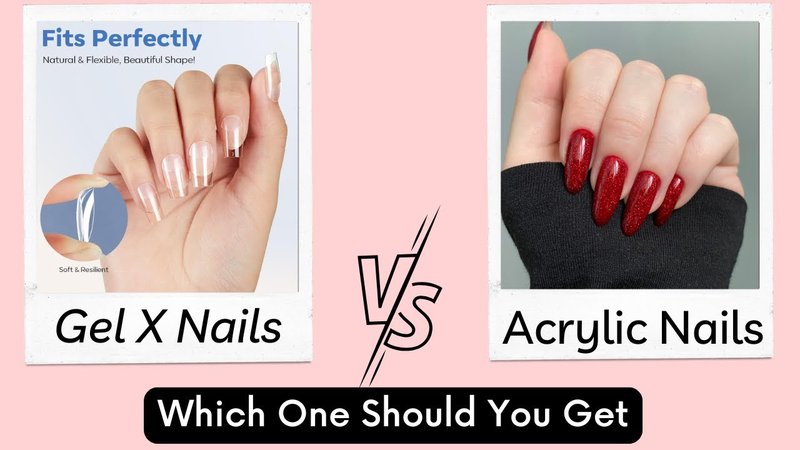
On the other hand, nail tips are pre-formed, which means they provide immediate length and a consistent shape. When combined with a gel overlay, for instance, they tend to be known for a more flexible and softer feel compared to traditional acrylics. Gel tips often provide a very natural-looking finish with a beautiful shine, and their flexibility can make them feel lighter on the nail. However, the blending of the tip into the natural nail is critical for a seamless look. If not blended perfectly, a slight ridge might be visible. While both options strive for a natural look, the overall “feel” can vary. Some individuals prefer the rigidity of acrylics, while others might find gel tips more comfortable due to their flexibility. The choice often comes down to personal preference and the specific look you’re aiming to achieve, whether it’s the robust, sculpted elegance of acrylics or the flexible, often shinier finish of gel over tips.
Achieving a Natural Look with Each Method
Achieving a natural look is a common desire for many clients, and both tips and full acrylics can deliver this with the right technique. For full acrylics, the naturalness comes from the sculpting process. A skilled nail technician can build the acrylic to mimic the natural curve and apex of your nail, ensuring that the thickness and shape are proportionate to your finger. This customized approach means the acrylic can blend seamlessly with your natural nail bed, making it difficult to distinguish where your natural nail ends and the enhancement begins.
With nail tips, achieving a natural look hinges on meticulous blending. The pre-formed tip must be carefully filed and buffed at the seam where it meets your natural nail to eliminate any visible ridge. Once the overlay (whether it’s gel or acrylic) is applied, it should cover this blend area smoothly, creating a uniform surface. Gel tips, in particular, are often praised for their natural, flexible feel and glossy finish, which can closely resemble a strong, healthy natural nail. The key for both methods is the expertise of the technician in shaping and refining the enhancement to suit your hand.
Feel and Flexibility: Comfort on Your Nails
The feel and flexibility of your nail enhancements can greatly impact your comfort. Full acrylic nails, once cured, are quite rigid and strong. This rigidity is what gives them their exceptional durability and resistance to breakage. For many, this firm structure provides a sense of security, making them feel less likely to bend or snap during daily activities. However, some individuals might find them a bit heavy or less flexible compared to their natural nails, especially if they are applied too thickly.
Nail tips, especially when combined with a gel overlay (often referred to as gel tips or gel extensions), tend to offer more flexibility. Gel products are inherently more pliable than traditional acrylics, which can result in a lighter and more natural-feeling enhancement. This added flexibility can be more comfortable for some, as they mimic the slight give of a natural nail. While gel tips are flexible, they are still strong enough to protect your natural nails and maintain their shape, making them a popular choice for those who prioritize a lighter, more yielding feel.
The choice between the rigidity of acrylics and the flexibility of gel tips often comes down to personal preference and lifestyle. If you need maximum strength and minimal bend, acrylics might be your preference. If you prefer a lighter, more natural-feeling nail with a bit more give, gel tips could be the better option. At Barberia Peluquería Look Madrid, we can help you try both to see which suits your comfort level best.
Advantages and Disadvantages of Each Nail Enhancement
When considering tips vs acrylic nails, it’s essential to weigh the specific pros and cons of each to determine which best suits your lifestyle, aesthetic preferences, and nail health goals. Both methods offer distinct benefits, but they also come with their own set of potential drawbacks. Understanding these can help you make a more informed decision and ensure you’re happy with your manicure in the long run. Full acrylic nails, for instance, are widely celebrated for their superior strength and durability. They are less prone to chipping, cracking, or breaking, making them an excellent choice for individuals who need a robust nail enhancement that can withstand daily activities. They also offer remarkable versatility in terms of shaping and sculpting, allowing for highly customized designs and lengths. However, acrylics do have a stronger chemical odor during application, and improper removal can potentially cause damage to the natural nail. They can also feel quite rigid, which some might find less natural.
On the other hand, nail tips, especially when paired with a gel overlay, offer a different set of advantages. Gel tips are often praised for their more natural appearance, flexibility, and lighter feel on the nails. They typically have less odor during application and can be more gentle on the natural nail during the removal process if done correctly. The initial application of tips also provides instant length, which is a great benefit for those with very short nails. However, their durability might be slightly less than traditional acrylics, and they can sometimes be more expensive. The skill in blending the tip into the natural nail is also critical; a poorly blended tip can look unnatural or be a point of weakness. Both methods require professional application and maintenance to ensure the best results and protect your nail health.
Advantages of Full Acrylic Nails
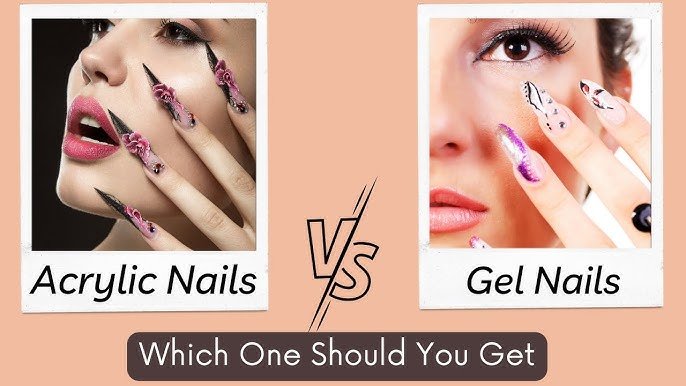
Full acrylic nails boast several compelling advantages that make them a long-standing favorite in the nail industry. Their primary benefit is exceptional strength and durability. Acrylics are incredibly tough and resistant to impacts, making them ideal for individuals with demanding jobs or active lifestyles who need their nails to last without chipping or breaking. This robust nature means they generally require fewer repairs between fill appointments.
Another significant advantage is their versatility in sculpting. A skilled technician can use acrylic to create virtually any nail shape, length, and design, offering unparalleled customization. From razor-sharp stilettos to classic square or sophisticated coffin shapes, acrylics provide a stable canvas for elaborate nail art. Furthermore, acrylics are typically more cost-effective for initial application and fills compared to some other long-lasting extensions.
Finally, acrylics are known for their strong adhesion to the natural nail, which, when properly applied, minimizes lifting. This secure bond contributes to their longevity and ensures your manicure stays looking pristine for weeks. This makes them a reliable choice for consistent, beautiful nail enhancements.
Disadvantages of Full Acrylic Nails
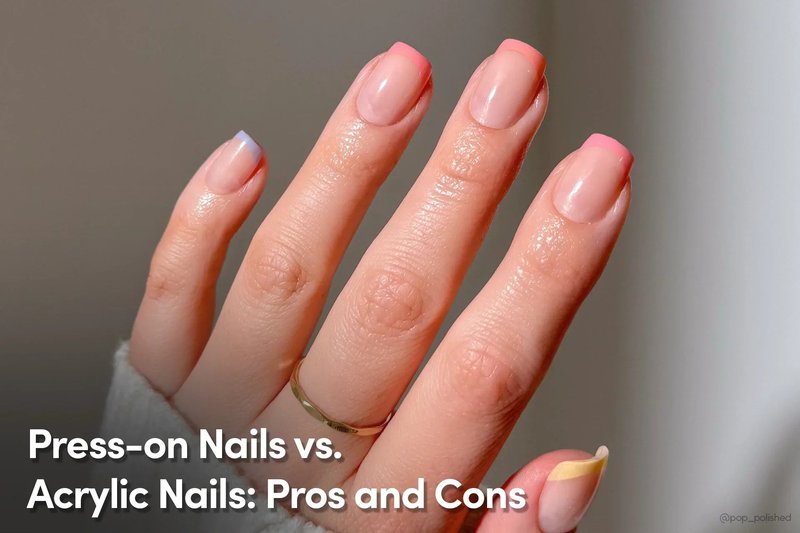
Despite their popularity, full acrylic nails do come with a few notable disadvantages that clients should be aware of. One of the most common concerns is the strong chemical odor produced during the application process, which can be off-putting for some individuals. This odor is due to the liquid monomer used and requires good ventilation during the service.
Another potential drawback is the rigidity of cured acrylic. While this contributes to their strength, it means they have very little flexibility. If an acrylic nail experiences a hard impact, it is more likely to break cleanly or even lift, potentially causing more significant damage to the natural nail underneath compared to a more flexible material. Improper removal, often involving aggressive filing or prying, can also severely weaken and thin the natural nail plate, emphasizing the importance of professional removal.
Finally, some individuals find that acrylics can look and feel thicker on the nail, especially if they are not applied by a highly skilled technician. This can sometimes detract from a truly natural aesthetic, although modern techniques have greatly improved the ability to create thinner, more refined acrylic enhancements.
Advantages of Nail Tips with Overlays (e.g., Gel Tips)
Nail tips, especially when combined with gel overlays (often called gel tips or soft gel extensions), offer a range of attractive benefits. A primary advantage is their natural appearance and flexible feel. Gel products, by nature, are more pliable than traditional acrylics, making them feel lighter and more comfortable on the nails, closely mimicking the natural nail’s flexibility. This can be a huge plus for those who find rigid enhancements uncomfortable.
Another benefit is the reduced odor during application. Gel systems typically have little to no strong chemical smell, providing a more pleasant experience for both the client and the technician. Gel tips also often boast a high-gloss finish that can last for weeks, requiring less topcoat reapplication. For individuals with short natural nails, tips offer instant length, providing a uniform foundation for a beautiful manicure without extensive sculpting.
Moreover, gel tips can be considered less damaging to the natural nail during removal, provided they are properly soaked off or filed down by a professional. This gentler removal process is appealing to those concerned about maintaining their natural nail health.
Disadvantages of Nail Tips with Overlays
While nail tips with overlays offer many benefits, they also have certain drawbacks to consider. One potential disadvantage is that their durability can sometimes be slightly less than that of traditional full acrylics, depending on the overlay material used and the client’s lifestyle. While strong, highly flexible gel tips might be more prone to bending or lifting under extreme stress than a rigid acrylic.
Another consideration is the initial cost. Gel tip applications can sometimes be more expensive than acrylics, both for the initial set and for fills. This is due to the cost of the products and the potentially more intricate application process involved in ensuring a seamless blend between the tip and the natural nail. Poor blending can lead to a visible ridge or a weaker point in the enhancement.
Finally, while gel systems are generally more forgiving during removal than improperly removed acrylics, they still require professional attention. Improper at-home removal can still lead to natural nail damage. Additionally, if the tips are not applied with the correct sized and shaped tip for your nail bed, they can sometimes look less natural or feel uncomfortable.
Making Your Choice: Tips vs Acrylic Nails at Barberia Peluquería Look Madrid
Deciding between nail tips and full acrylic nails doesn’t have to be a daunting task. At Barberia Peluquería Look Madrid, we pride ourselves on providing personalized advice and expert services to ensure you leave with the perfect manicure for your needs and desires. The best choice for you ultimately depends on several factors: your lifestyle, how much maintenance you’re willing to commit to, your natural nail health, and the specific aesthetic you’re hoping to achieve. For instance, if you prioritize extreme durability and strength, and desire highly customizable shapes and lengths, full acrylic nails might be your ideal match. They are excellent for those who are hard on their hands or who want to experiment with bold, structured designs. However, if you prefer a lighter, more flexible feel, a natural look, and are sensitive to chemical odors, then nail tips with a gel overlay (often referred to as gel tips) could be a fantastic alternative. They offer a beautiful, glossy finish and a more gentle experience, especially during application.
We encourage you to consider how your daily activities might impact your nails. Do you work with your hands a lot? Are you seeking something that requires minimal fuss between appointments? These practical considerations are just as important as the aesthetic outcome. Our skilled technicians at Barberia Peluquería Look Madrid are here to walk you through the options, assess your natural nail condition, and recommend the best enhancement for you. We can show you examples, discuss the application process in detail, and answer any questions you might have about maintenance and removal. Our goal is to ensure you feel confident and beautiful with your chosen nail enhancement, whether it’s the robust elegance of acrylics or the flexible charm of gel tips. Visit us today to explore your options and find your perfect nail style.
| Feature | Nail Tips (with overlay) | Full Acrylic Nails |
|---|---|---|
| Application | Pre-formed tip glued on, then overlay applied | Liquid monomer + powder polymer sculpted directly |
| Durability | Good (depends on overlay), generally flexible | Excellent, very rigid and strong |
| Natural Look | Flexible, can feel lighter; relies on blending | Custom sculpted, robust structure; can feel heavier |
| Flexibility | High (especially with gel overlay) | Low, very rigid |
| Odor during Application | Minimal to none (with gel overlay) | Noticeable chemical odor |
| Maintenance | Fills every 2-3 weeks | Fills every 2-3 weeks |
| Cost | Can be slightly higher for initial set/fills | Often more cost-effective |
| Removal | Soak-off or gentle filing by professional | Soak-off by professional (avoid aggressive filing) |
| Best For | Natural look, flexibility, less odor, instant length | Maximum strength, extreme durability, custom shaping |
Frequently Asked Questions About Nail Enhancements
What is the main difference between nail tips and acrylic nails?
The main difference is that nail tips are pre-formed extensions glued onto your natural nail for length, and then covered with an overlay like gel or acrylic for strength. Full acrylic nails are entirely sculpted from a liquid and powder mixture directly onto your natural nail, forming the extension from scratch.
Are gel tips the same as acrylic nails?
No, gel tips are not the same as acrylic nails. Gel tips specifically refer to pre-formed tips that are applied and then sealed with a gel overlay, cured under UV/LED light. Acrylic nails are a separate system made from a liquid monomer and powder polymer that air-dries to form a hard extension.
Which option is better for weak natural nails?
For weak natural nails, both can offer protection and strength. Gel tips with a flexible overlay might be gentler as they are less rigid and often involve less harsh chemicals during application. However, a well-applied set of acrylics can also provide excellent protection and allow weak nails to grow underneath.
How long do nail tips vs acrylic nails last?
Both nail tips (with an overlay) and full acrylic nails typically last 2-3 weeks before needing a fill, provided they are applied correctly and properly maintained. Factors like lifestyle, nail growth, and product quality can influence their longevity.
Is one option more damaging to natural nails than the other?
Neither option is inherently more damaging if applied and removed correctly by a trained professional. Damage typically occurs from improper application, rough removal techniques, or clients picking and prying off their enhancements at home, regardless of the type.
Conclusion
Navigating the world of nail enhancements, especially when it comes to understanding the nuances of tips vs acrylic nails, can feel like a maze. We hope this comprehensive guide has clarified the distinctions, shedding light on the application processes, durability, aesthetic outcomes, and the pros and cons of each method. We’ve seen that while nail tips provide instant length and a foundation for various overlays, full acrylics offer unparalleled strength and customization through direct sculpting.
Ultimately, the “better” choice is entirely personal, depending on your lifestyle, desired look, and comfort preferences. Whether you lean towards the robust strength and versatility of full acrylics or the natural feel and flexibility of gel tips, the key to a beautiful and healthy manicure lies in professional application and proper aftercare. At Barberia Peluquería Look Madrid, we are dedicated to helping you make the most informed decision, ensuring your nails not only look stunning but also remain healthy.
Don’t hesitate to reach out to the skilled technicians at Barberia Peluquería Look Madrid for a personalized consultation. We’re here to guide you through your options and deliver the perfect nail enhancement that reflects your unique style. Book your appointment today and let us transform your nails!