For anyone exploring the vast world of nail enhancements, a common question arises: does dip nail polish require UV light to cure? The straightforward answer is no, dip nail polish does not require UV light for curing. This key difference sets dip powder apart from traditional gel manicures, making it a popular choice for those seeking beautiful, durable nails without UV exposure. At Barberia Peluquería Look Madrid, we understand the importance of clear information regarding nail services, and we’re here to explain why dip powder is unique.
Dip powder systems utilize a different chemical reaction to harden. Instead of UV or LED lamps, a special activator liquid is applied after dipping your nails into a finely milled powder. This activator instantly hardens the layers, creating a strong and protective coating. This process not only speeds up drying time but also eliminates the need for UV lamps, addressing concerns many clients have about UV exposure.
Understanding the unique curing process of dip nails
Many individuals wonder if do dip nails use UV light, especially when comparing them to gel manicures. The fundamental difference lies in their chemical composition and curing methods. Unlike gel polish, which contains photoinitiators that react to UV or LED light, dip powder systems are designed to cure through a chemical reaction between a liquid activator and the powder itself. This means that a UV lamp is simply not part of the standard dip powder application process, providing a distinct advantage for those looking to avoid UV exposure.
The application typically involves a base coat, dipping the nail into the colored powder, applying an activator, and then a top coat. Each layer, from the base to the top, cures quickly and effectively without any light source. This makes dip powder a convenient and efficient option for achieving salon-quality nails at home or in a professional setting like Barberia Peluquería Look Madrid. This unique curing mechanism is a major reason why dip powder has gained such immense popularity in recent years.
The science behind dip powder’s no-UV curing
The magic behind dip powder’s no-UV curing lies in its chemical formulation. The base coat applied to the nail acts as a resin, while the powder is typically an acrylic-based polymer. When the nail, coated with the base, is dipped into the powder, the powder adheres to the resin. The subsequent application of an activator liquid initiates a polymerization process.
This process causes the powder and resin to bond and harden rapidly, forming a durable layer. This reaction is exothermic, meaning it generates a small amount of heat, which further aids in the curing process. It’s a completely self-curing system, relying on the interaction of its components rather than external light, which is a significant factor in why does dip nail polish require UV light is a common misconception.
Comparing dip powder with gel polish curing methods
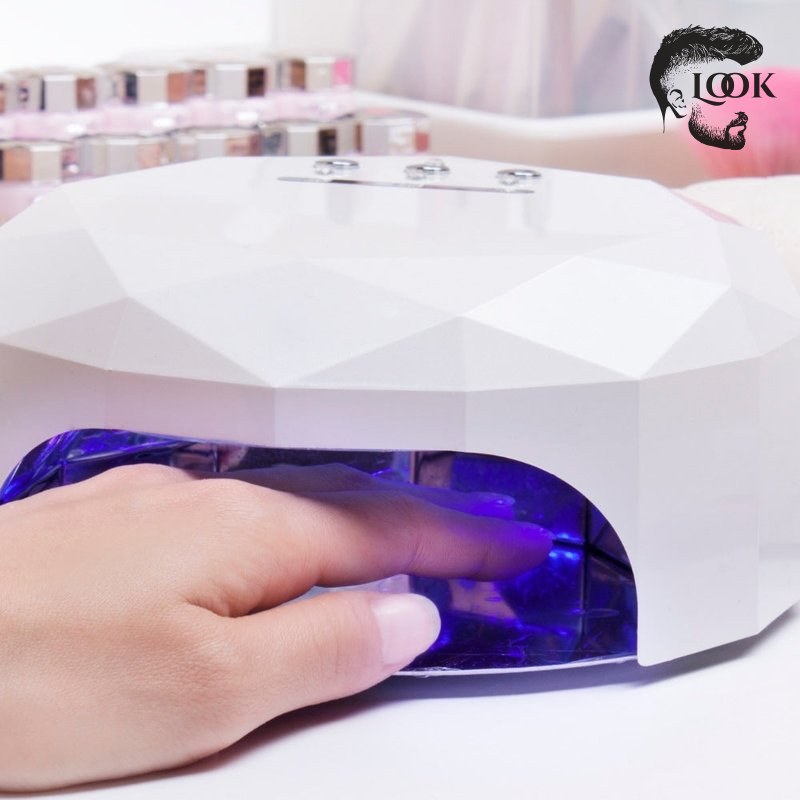
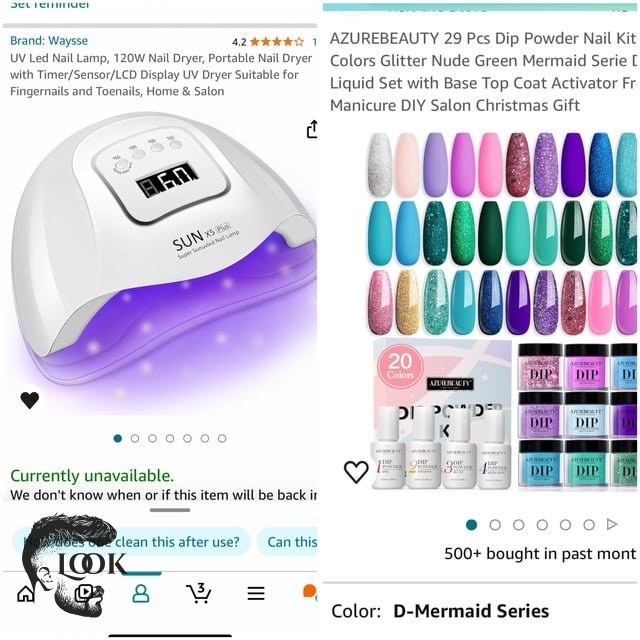
When you consider dip nail polish, the absence of UV light is a key differentiator from gel polish. Gel polish, whether traditional or soak-off, absolutely requires a UV or LED lamp to cure. The light energy activates photoinitiators within the gel, causing it to harden and form a strong, glossy finish. Without this light exposure, gel polish would remain in its liquid state, making the lamp an essential part of the gel manicure process.
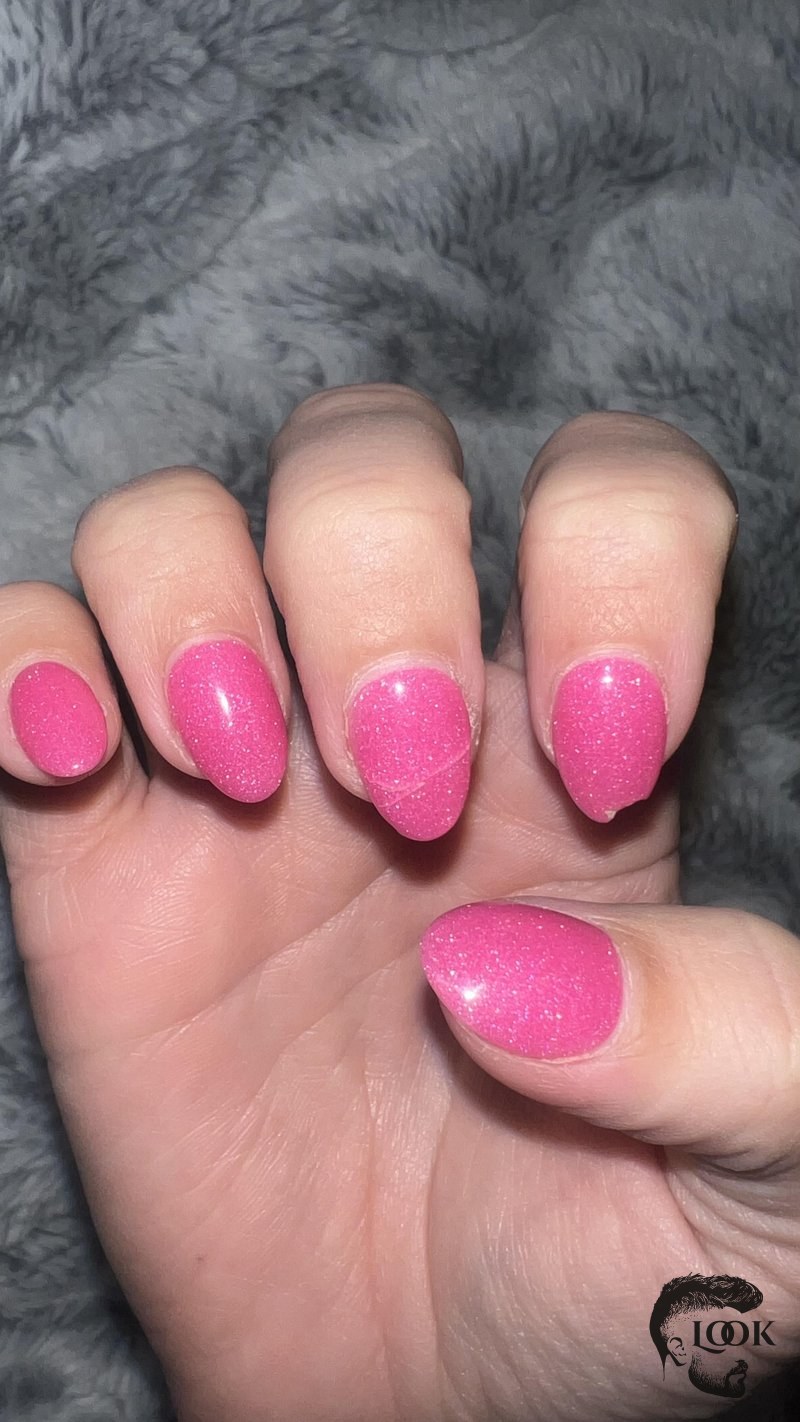
Dip powder, on the other hand, relies on a liquid activator for its rapid hardening. This distinction is crucial for clients who are concerned about UV exposure, as it offers a viable alternative without compromising on durability or aesthetics. Both methods deliver long-lasting, beautiful nails, but their curing mechanisms are fundamentally different. Understanding these differences helps clients make informed decisions about their nail care preferences.
Advantages of choosing dip nails without UV exposure
One of the most significant advantages of choosing dip nails is the complete absence of UV exposure. This is a crucial factor for many individuals who are wary of the potential risks associated with UV light, such as premature skin aging or increased risk of skin cancer. By opting for dip powder, clients can enjoy a stunning, durable manicure without any concerns about UV radiation. This makes dip nails a preferred option for health-conscious individuals and those with sensitive skin.
Beyond the health benefits, the no-UV aspect often translates to a quicker application process. There’s no waiting for nails to cure under a lamp for several minutes per hand; instead, the activator works almost instantly. This efficiency is a definite plus for those with busy schedules. At Barberia Peluquería Look Madrid, we appreciate offering options that prioritize both beauty and well-being, and dip powder nails perfectly fit this philosophy.
Health benefits of avoiding UV light for nails
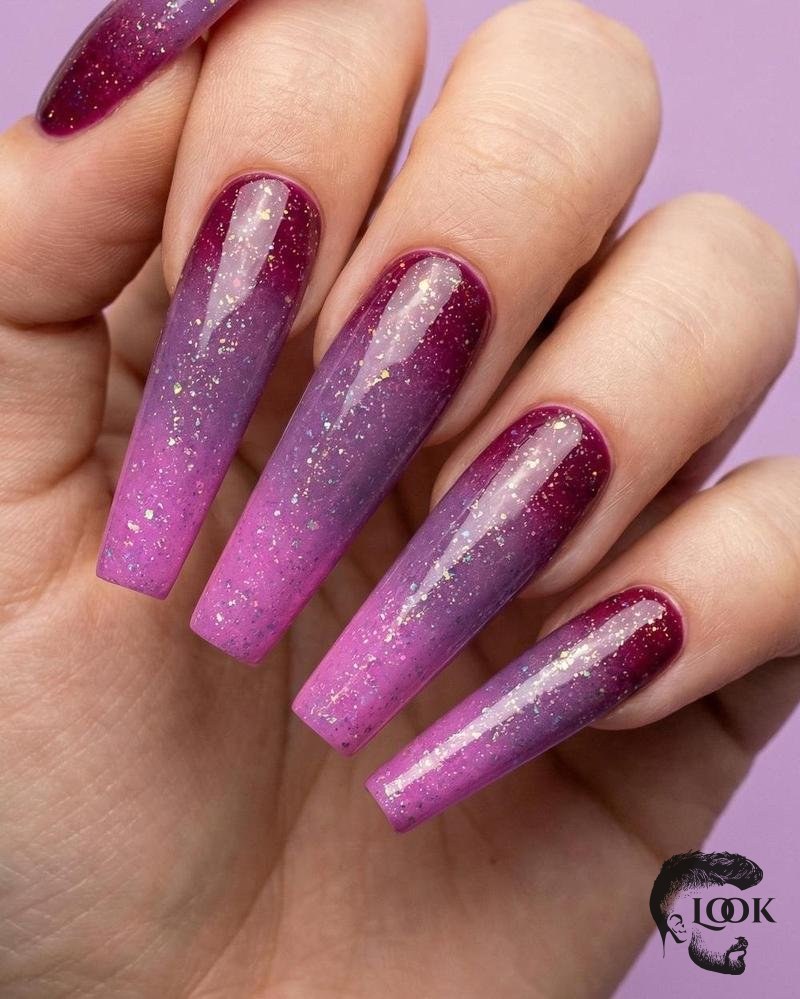
Avoiding UV light when getting your nails done comes with several notable health benefits. Prolonged or repeated exposure to UV radiation, even from nail lamps, can contribute to skin aging, including wrinkles, fine lines, and sun spots on the hands. More significantly, there are concerns about the potential link between UV exposure and an increased risk of skin cancer. While the overall risk from nail lamps is generally considered low, many prefer to eliminate it entirely.
Choosing dip powder nails offers peace of mind by completely bypassing this concern. This is particularly beneficial for individuals who get their nails done frequently or who are naturally more sensitive to UV light. It’s a simple yet effective way to protect the delicate skin on your hands, ensuring they remain healthy and youthful. This focus on health and safety is why many clients at Barberia Peluquería Look Madrid specifically ask about options like dip powder that do not involve UV curing.
Efficiency and speed in dip powder application
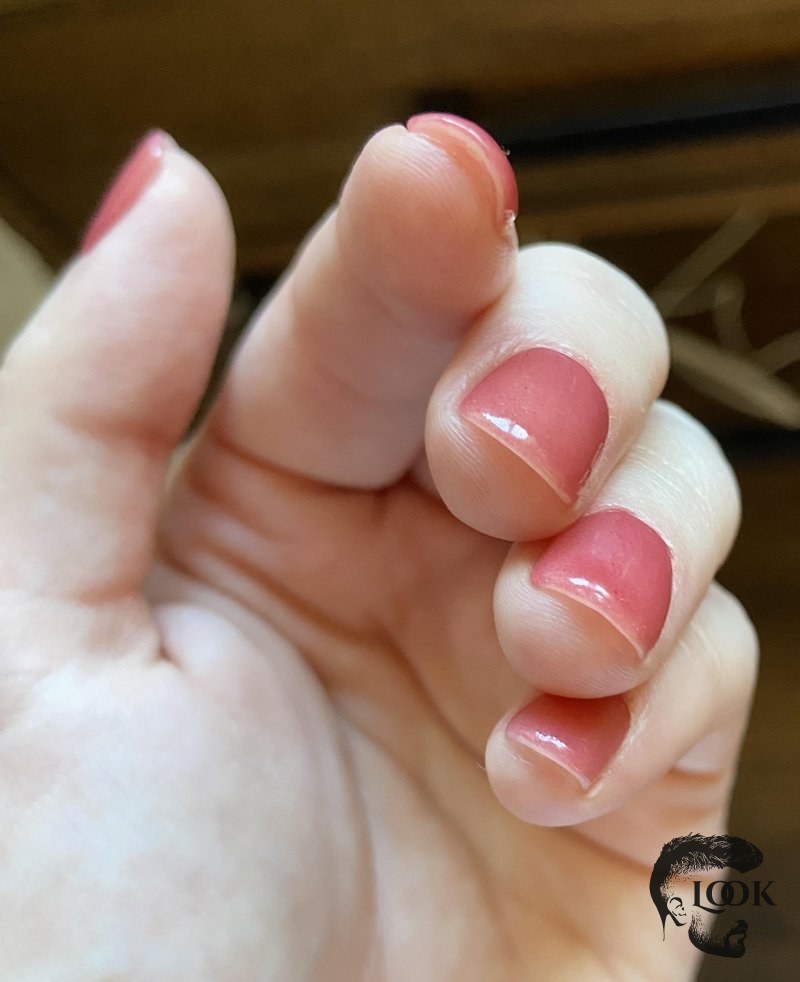
The efficiency and speed of dip powder application are undeniable, largely due to the fact that do dip nails use UV light is a non-issue. Without the need for a curing lamp, the entire manicure process can be significantly faster. Each layer of base coat, powder, and activator cures almost instantly upon application. This eliminates the waiting time associated with placing hands under a UV or LED lamp, which can add substantial minutes to a gel manicure.
For busy individuals, this quick turnaround is a major advantage. You can achieve a beautiful, long-lasting manicure in less time, freeing up your schedule. Professionals also benefit from this efficiency, allowing them to serve more clients effectively without sacrificing quality. The rapid drying and curing process is a hallmark of dip powder systems, making them a practical and popular choice for modern nail care.
Dispelling common myths about dip nail polish
Despite its growing popularity, there are still several myths surrounding dip nail polish, particularly regarding its application and durability. One of the most persistent misconceptions is the idea that does dip nail polish require UV light. As we’ve established, this is not true; dip powder cures through a chemical reaction with an activator, not light. This fundamental misunderstanding often leads to unnecessary confusion for those new to dip manicures.
Another common myth is that dip powder is inherently unhygienic due to the dipping process. While it’s true that unsanitary practices can occur, reputable salons like Barberia Peluquería Look Madrid implement strict hygiene protocols. They use individual dip jars for each client or pour powder over the nail to prevent cross-contamination. Dispelling these myths helps clients understand the true benefits and safe application of dip powder nails, encouraging them to try this versatile nail enhancement with confidence.
The truth about UV light and dip powder application
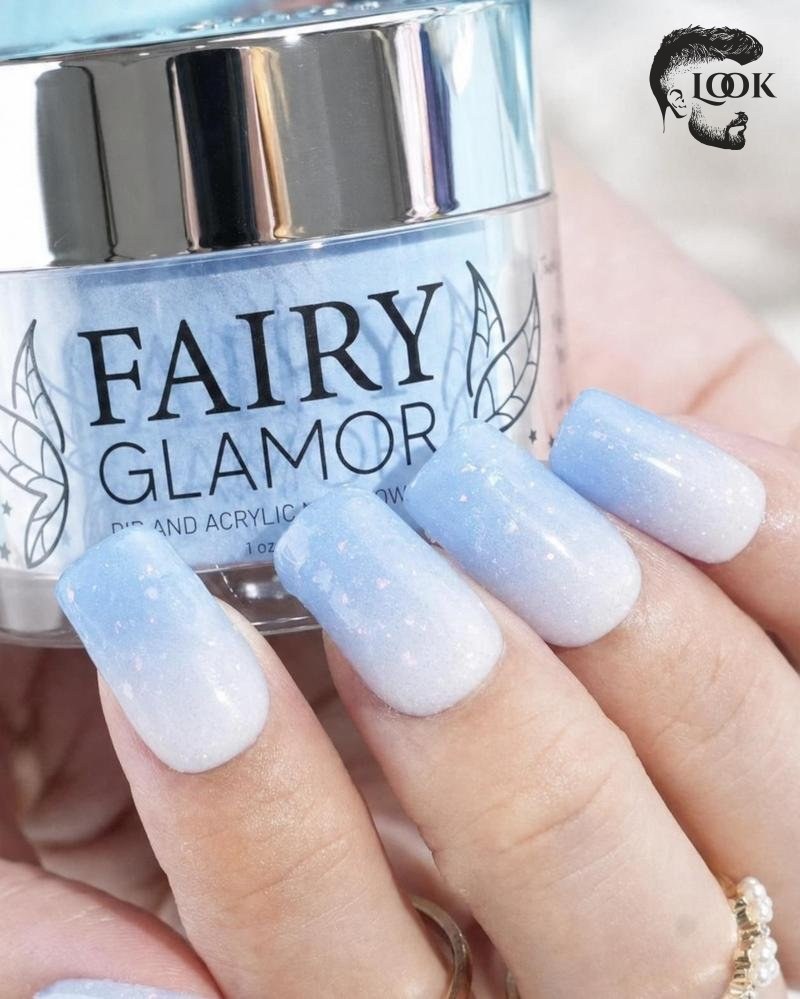
The truth is, UV light is not a component of the dip powder application process. If you encounter a salon that uses a UV light with your dip polish, it’s likely they are either misapplying the product or attempting to cure a gel top coat over the dip powder. While some choose to use a gel top coat for extra shine or durability, it’s important to note that the dip layers themselves do not need UV light.
The core of the dip system—the base, powder, and activator—cures on its own. If you want to avoid UV exposure entirely, make sure your technician is using a traditional dip top coat, which also air dries or cures with an activator. Always feel free to ask your technician about the products and processes they are using to ensure your comfort and safety. This helps to reinforce the understanding that does dip nail polish require UV light is a question with a clear “no” answer for the main application.
Addressing concerns about sanitation in dip powder salons
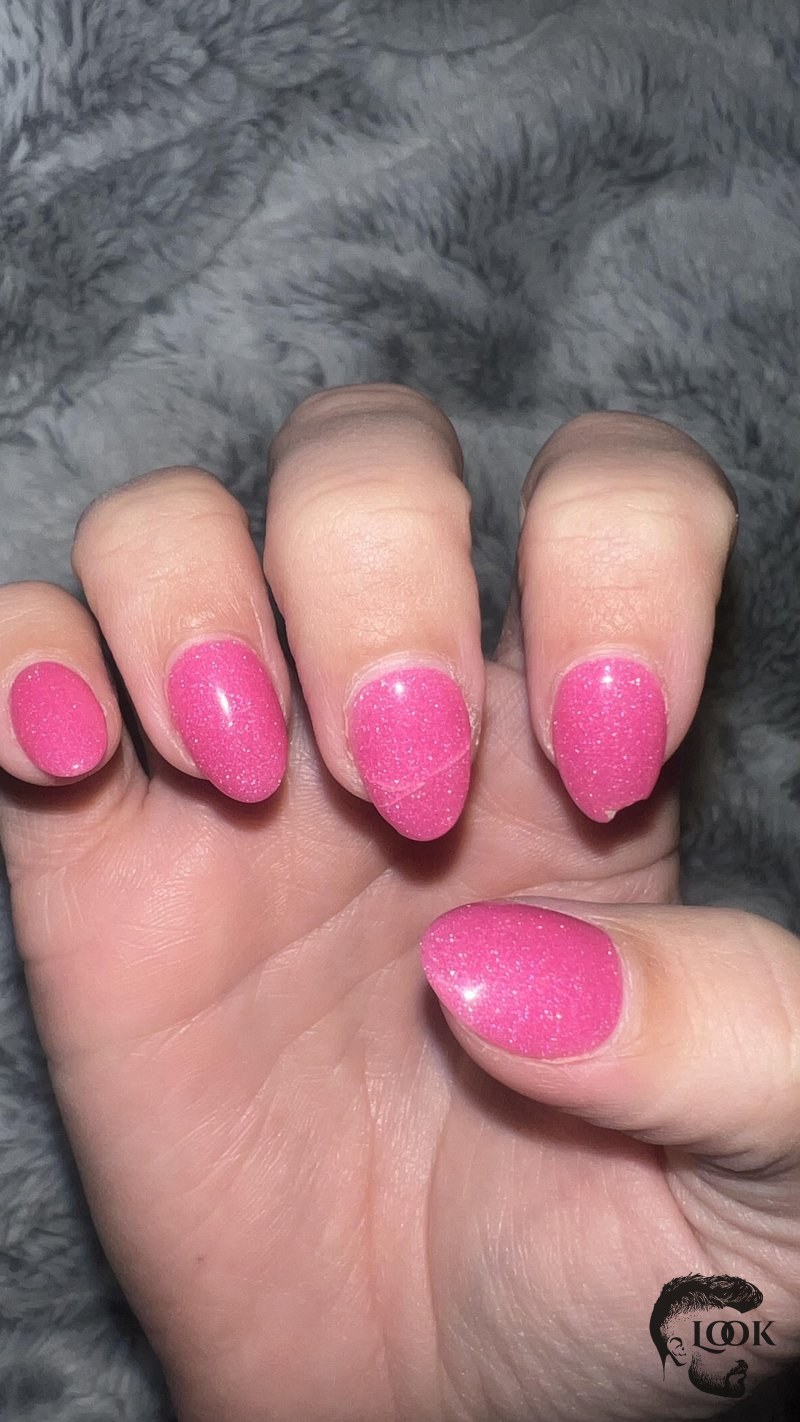
Sanitation is a critical concern in any nail salon, and dip powder manicures have sometimes faced scrutiny regarding hygiene practices. The common concern revolves around the shared pot of powder. However, reputable salons have adopted strict protocols to address this issue. Many salons now use individual powder pots for each client, or they pour the powder over the nail, catching the excess in a disposable tray, rather than dipping the finger directly into a communal pot.
It’s always recommended to choose a salon that clearly demonstrates good hygiene practices, such as using sterilized tools, fresh files, and clean workstations. Don’t hesitate to ask your nail technician about their sanitation procedures if you have concerns. Prioritizing hygiene ensures a safe and enjoyable nail experience, and you can trust that Barberia Peluquería Look Madrid adheres to the highest standards.
Choosing the right nail enhancement for you
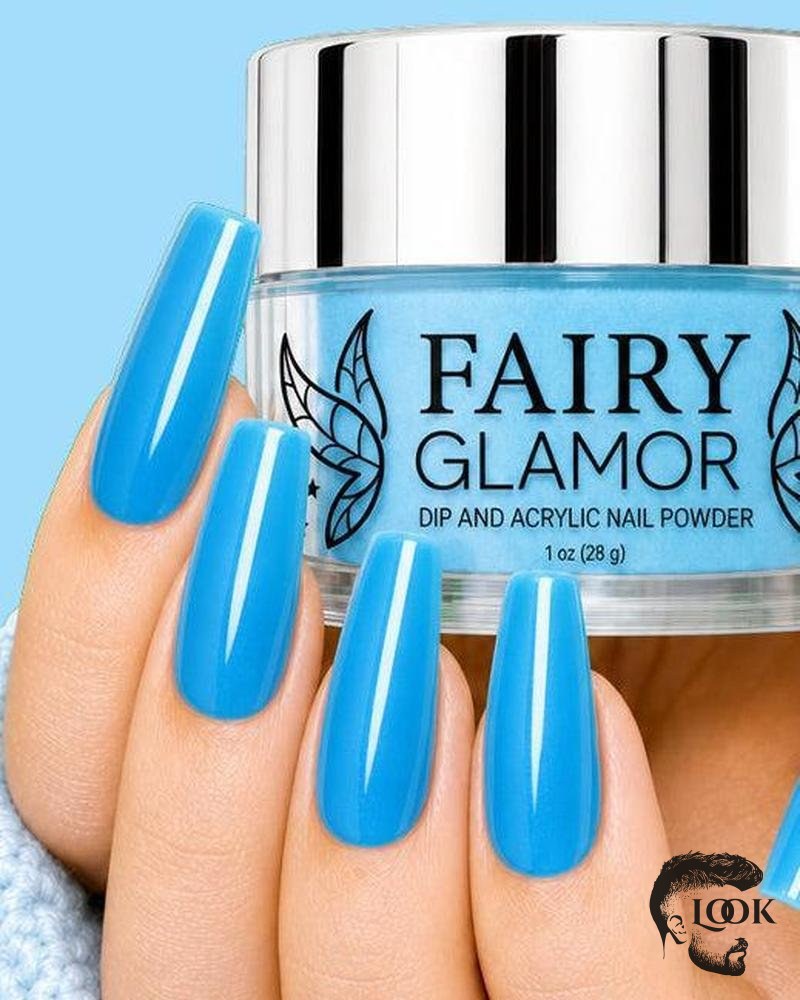
Deciding between different nail enhancements can be challenging with so many options available. When considering dip powder, gel, or acrylics, it’s essential to weigh their unique characteristics, especially concerning application and longevity. Each method offers distinct advantages, and the best choice ultimately depends on your lifestyle, preferences, and any health considerations, such as a desire to avoid UV exposure. Understanding these differences helps you make an informed decision for your nail care.
| Feature | Dip Powder | Gel Polish | Acrylic Nails |
|---|---|---|---|
| UV Light Required | No | Yes | No |
| Curing Method | Activator liquid | UV/LED lamp | Air dry (monomer & polymer reaction) |
| Durability | 2-4 weeks | 2-3 weeks | 3-4 weeks |
| Application Speed | Fast | Moderate (includes curing time) | Moderate (shaping and drying) |
| Removal Process | Soak-off (acetone) | Soak-off (acetone) | Soak-off (acetone) or filing |
| Odor | Low odor | Low odor | Strong odor (monomer) |
When dip powder is the ideal choice
Dip powder is often the ideal choice for individuals who prioritize durability, a natural look, and most importantly, want to avoid UV light exposure. If the question of does dip nail polish require UV light is a primary concern for you, then dip powder is an excellent solution. Its self-curing mechanism means no lamps are needed, making it a safer option for those worried about skin damage from UV rays.
Additionally, dip powder manicures are known for their exceptional longevity, typically lasting two to four weeks without chipping. They also tend to feel lighter on the nails compared to acrylics and offer a good balance of strength and flexibility. If you’re looking for a vibrant, long-lasting manicure that’s gentle on your nails and free from UV light, dip powder might just be your perfect match. It’s a fantastic option for those seeking beautiful nails without compromise.
Exploring other UV-free nail options
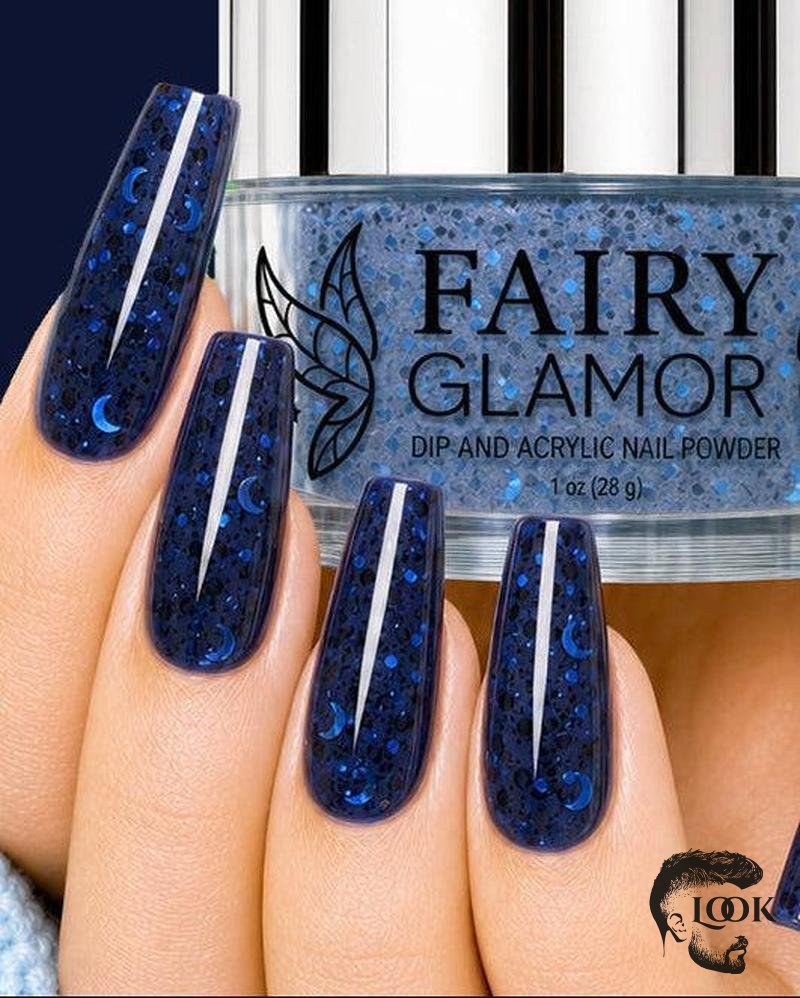
Beyond dip powder, there are several other excellent UV-free nail options available for those who want to avoid light exposure. Traditional nail polish remains a classic choice, offering a wide array of colors and finishes without any curing lights. While it may not last as long as dip or gel, it’s easy to apply and remove at home, making it a flexible option for frequent color changes.
Another strong contender is acrylic nails. Similar to dip powder in their chemical hardening process, acrylics are formed by mixing a liquid monomer with a powdered polymer, which then air-dries into a very strong, durable layer. Acrylics are well-known for their strength and versatility, making them ideal for extensions and intricate designs. Both traditional polish and acrylics provide fantastic alternatives for beautiful nails that don’t rely on UV light for curing.
Frequently asked questions about dip nail polish and UV light
Is it bad to put UV light on dip powder?
Generally, it is unnecessary and not recommended to put UV light on dip powder. Dip powder systems are designed to cure without UV light, relying on a chemical reaction. Applying UV light won’t enhance the curing of the dip powder itself and could potentially cause issues with the product’s integrity.
Do salons use UV light for dip nails?
Reputable salons typically do not use UV light for dip nails. If a salon is using a UV lamp during a dip powder service, they might be applying a gel top coat over the dip, which does require UV light. Always confirm the full process with your technician if you prefer to avoid UV exposure.
Can dip powder nails lift if exposed to UV light?
No, dip powder nails themselves do not lift due to UV light exposure. Lifting is usually caused by improper application, poor nail prep, or exposure to excessive moisture. While UV light is not needed for curing, incidental exposure from sunlight or a gel top coat won’t inherently cause dip powder to lift.
What is the benefit of dip nails over gel nails regarding UV?
The primary benefit of dip nails over gel nails regarding UV is the complete absence of UV exposure during the curing process. Gel nails require UV or LED lamps to harden, which can be a concern for those worried about skin aging or the potential risks of UV radiation. Dip nails offer a UV-free alternative for achieving long-lasting results.
Conclusion
In conclusion, the answer to the question “does dip nail polish require UV light?” is a resounding no. Dip powder offers a fantastic alternative for those seeking durable, beautiful nails without any exposure to UV or LED lamps. Its unique chemical curing process provides a quick and efficient manicure that can last for weeks, addressing both aesthetic desires and health concerns about UV radiation.
We’ve explored the science behind dip powder’s no-UV curing, compared it to gel polish, and highlighted the many advantages of choosing this innovative nail enhancement. By dispelling common myths, we hope to provide clarity and confidence for anyone considering dip nail polish. At Barberia Peluquería Look Madrid, we are dedicated to offering high-quality nail services and expert advice, ensuring you can make the best choice for your nail health and style. Visit us to experience the benefits of a professional dip powder manicure today!