In the world of nail enhancements, many ingredients come and go, with some raising questions about safety and effectiveness. One such ingredient that has garnered significant attention recently is TPO (Trimethylbenzoyl Diphenylphosphine Oxide). The answer to whether TPO is present in dip powder products is nuanced: while some formulations may contain it, many brands are now actively marketing TPO-free options, especially with increasing regulatory scrutiny. Understanding the role of TPO in nail products, particularly dip powder, is crucial for both nail technicians and clients seeking healthier manicure options. At Barberia Peluquería Look Madrid, we believe in providing clear information so you can make informed choices about your nail care.
Dip powder manicures have gained immense popularity for their durability and chip-resistant qualities, offering a long-lasting alternative to traditional polish and gel. However, as consumers become more ingredient-aware, questions about specific chemicals like TPO in these products are becoming more frequent. TPO is primarily known for its role as a photoinitiator in UV/LED-cured nail products, such as gel polish and some gel topcoats, facilitating the curing process. Its presence in dip powder, which traditionally doesn’t require UV light for hardening, complicates the matter.
Understanding TPO’s role in nail product formulations
TPO, or Trimethylbenzoyl Diphenylphosphine Oxide, functions primarily as a photoinitiator. This means it absorbs light energy, typically from UV or LED lamps, and initiates the polymerization process that cures liquid monomers into a solid, durable coating. This chemical reaction is fundamental to how gel polishes and other light-cured nail systems achieve their hardened state. Its efficiency in this role has made it a common ingredient in many traditional gel formulations.
The concern surrounding TPO stems from its potential for skin sensitization and allergic reactions. While it’s effective in its technical application, regulatory bodies, particularly in the European Union, have begun to re-evaluate its safety profile. This has led to discussions and, in some cases, bans on its use above certain concentrations in various cosmetic products, including nail polishes. This regulatory shift prompts brands and consumers alike to seek alternatives and greater transparency regarding ingredients.

While dip powder systems traditionally rely on an adhesive base coat that air-dries and then a topcoat that also air-dries or is activated by a specific activator, some dip powder topcoats or sealants might incorporate components that benefit from photoinitiators. This could be where TPO might subtly enter the picture, particularly in hybrid formulations designed to offer enhanced shine or durability that might be cured under a light. For consumers, distinguishing between traditional dip powders and these hybrid options is key to understanding potential TPO exposure.
Why TPO can be a concern for nail health
The primary concern with TPO revolves around its potential to cause skin irritation, allergic reactions, and sensitization. For individuals with sensitive skin or existing allergies, exposure to TPO can lead to symptoms such as redness, itching, swelling, or even blistering around the nail bed or fingertips. Repeated exposure over time can also increase the likelihood of developing an allergy, which can then make it difficult to use many gel-based nail products.
Nail technicians are particularly at risk due to their frequent and prolonged exposure to various nail chemicals. Protecting both clients and professionals from potential allergens is a significant driving force behind the push for TPO-free products. This ingredient is not just a concern for those with known sensitivities; regulatory bodies are taking preventative measures to minimize potential harm across the broader user base.
The move towards TPO-free formulations reflects a broader industry trend focusing on ‘cleaner’ beauty products. Consumers are increasingly scrutinizing ingredient lists and demanding products that are not only effective but also safe for their long-term health. For those seeking dip powder services, inquiring about TPO content is a valid step towards ensuring a safer manicure experience, especially considering the potential for subtle inclusion in topcoats or activators that require light curing.
Dip powder: Does it contain TPO or not?
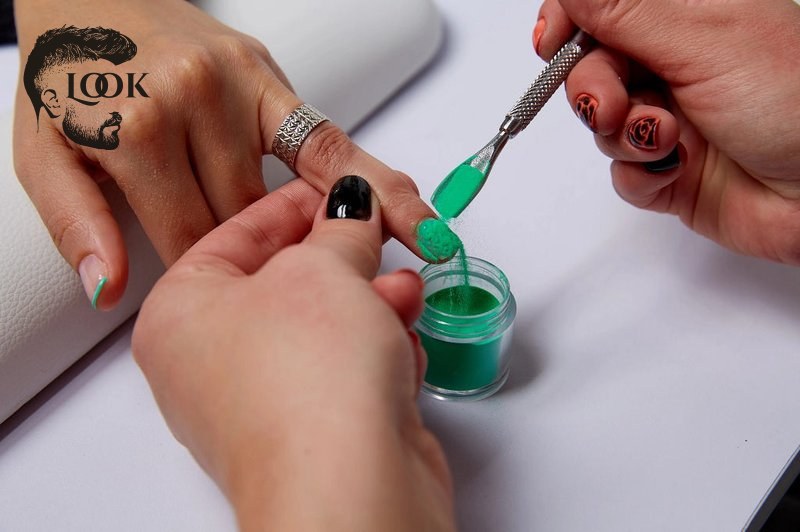
The question of whether is TPO in dip powder often leads to confusion because traditional dip powder systems are designed to harden without UV or LED light. Unlike gel polishes, which explicitly rely on photoinitiators like TPO for curing, dip powders utilize an activator to polymerize the dip powder and base coat mixture. This fundamental difference suggests that TPO is not a necessary component for the primary function of a dip powder manicure.
However, the nail industry is constantly evolving, and some manufacturers may develop hybrid dip systems or topcoats that incorporate elements requiring light curing for enhanced durability, shine, or specific effects. In such cases, TPO could potentially be present as a photoinitiator in these light-cured components. It’s crucial for consumers and nail professionals to examine product labels and understand the specific chemistry of the entire dip powder system being used.
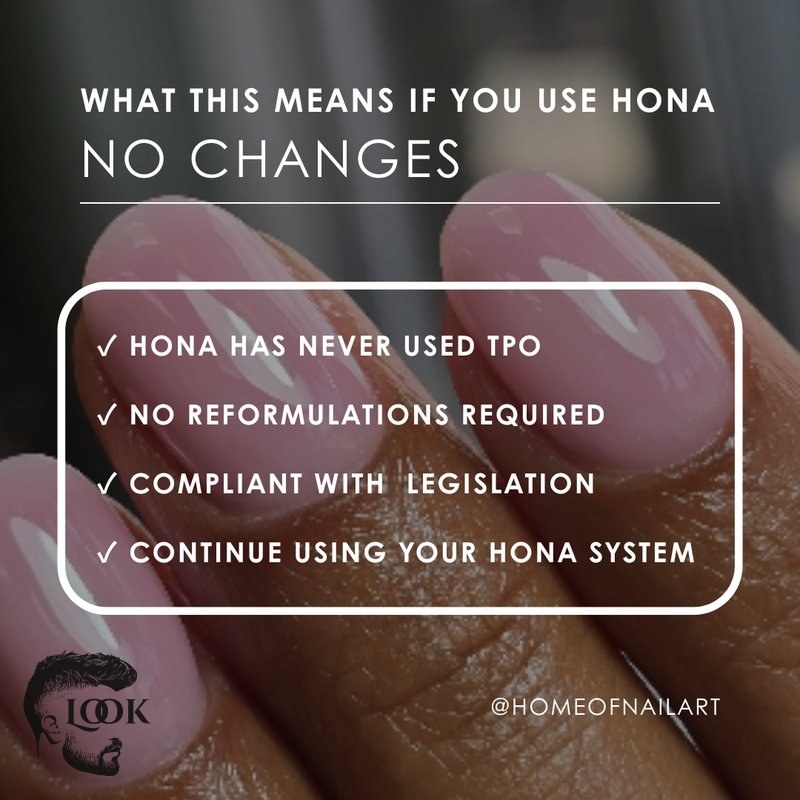
Many reputable brands are now transparently stating their products are 100% TPO-free, catering to the growing demand for safer options. When choosing a dip powder product or service, asking your nail technician or checking ingredient lists for “Trimethylbenzoyl Diphenylphosphine Oxide” is the most reliable way to confirm its presence. Prioritizing brands that clearly state their commitment to TPO-free formulations ensures a healthier manicure experience without compromising on beauty.
Comparing dip powder with gel and acrylic regarding TPO
When discussing TPO, it’s helpful to compare its presence across different nail enhancement systems. Gel polishes and hard gels are most commonly associated with TPO because they are fundamentally light-cured systems that require photoinitiators to harden. Acrylics, on the other hand, cure through a chemical reaction between a liquid monomer and a powder polymer, typically without the need for light or TPO. Dip powder systems, as discussed, usually fall closer to acrylics in their curing mechanism, relying on an activator rather than light.
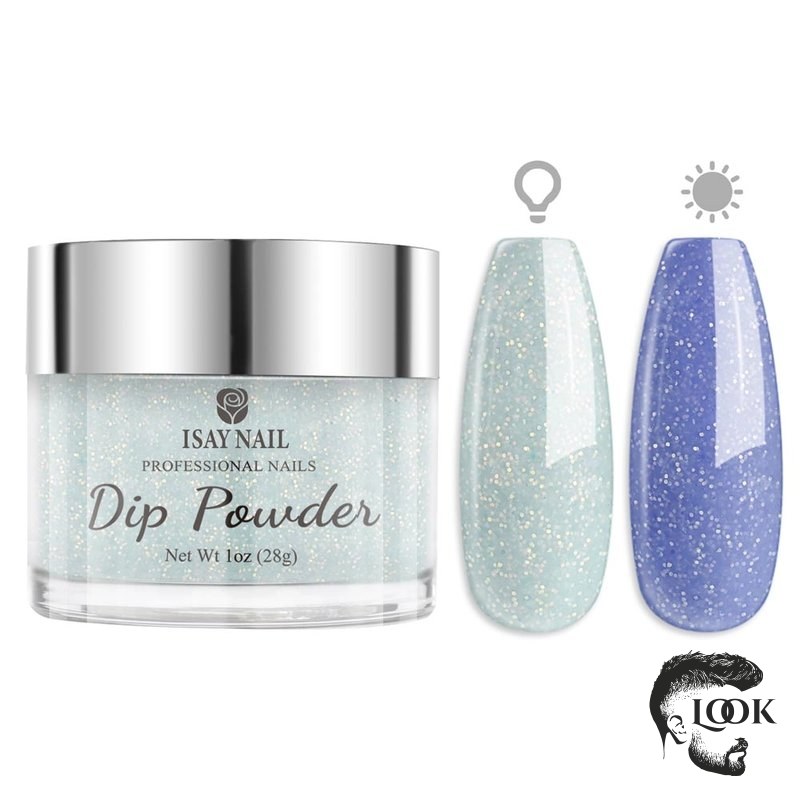
The table below summarizes the typical presence of TPO in these popular nail systems. It’s important to remember that these are general classifications, and specific product formulations can vary. Always check individual product ingredient lists for the most accurate information. This comparison highlights why the question “is TPO in dip powder” is particularly relevant as consumers navigate ingredient concerns.
| Nail System | Typical Curing Method | Common TPO Presence | Notes |
|---|---|---|---|
| Gel Polish | UV/LED Light Cured | Often present (as a photoinitiator) | Essential for curing, but TPO-free gels are emerging. |
| Hard Gel | UV/LED Light Cured | Often present (as a photoinitiator) | Similar to gel polish, relies on TPO for hardening. |
| Acrylic Nails | Liquid Monomer & Powder Polymer Reaction (Air Dry) | Rarely present | Cures chemically, TPO not typically needed. |
| Dip Powder Nails | Activator + Powder (Air Dry) | Generally TPO-free | Some hybrid topcoats might contain TPO for light curing. |
Understanding these differences empowers you to make informed decisions about your nail enhancements. For those prioritizing TPO-free options, dip powder, especially from transparent brands, often presents a safer choice compared to many traditional gel systems. At Barberia Peluquería Look Madrid, we’re dedicated to helping you find the perfect manicure that meets both your aesthetic desires and health preferences.
Choosing TPO-free dip powders for healthier nails
Opting for TPO-free dip powders is a smart move for anyone concerned about potential allergic reactions or general chemical exposure. As the demand for safer beauty products grows, many manufacturers are responding by reformulating their products to exclude potentially irritating ingredients like TPO. This commitment to ‘cleaner’ nail care means you don’t have to compromise on the beauty and longevity of a dip powder manicure.
When selecting a dip powder product, whether for home use or at a salon, always make it a practice to check the ingredient list. Look specifically for declarations of being “TPO-free” or “Trimethylbenzoyl Diphenylphosphine Oxide-free.” If the information isn’t readily available, don’t hesitate to ask your nail technician or contact the brand directly. Transparency is key, and reputable brands will be happy to provide clarity on their formulations.
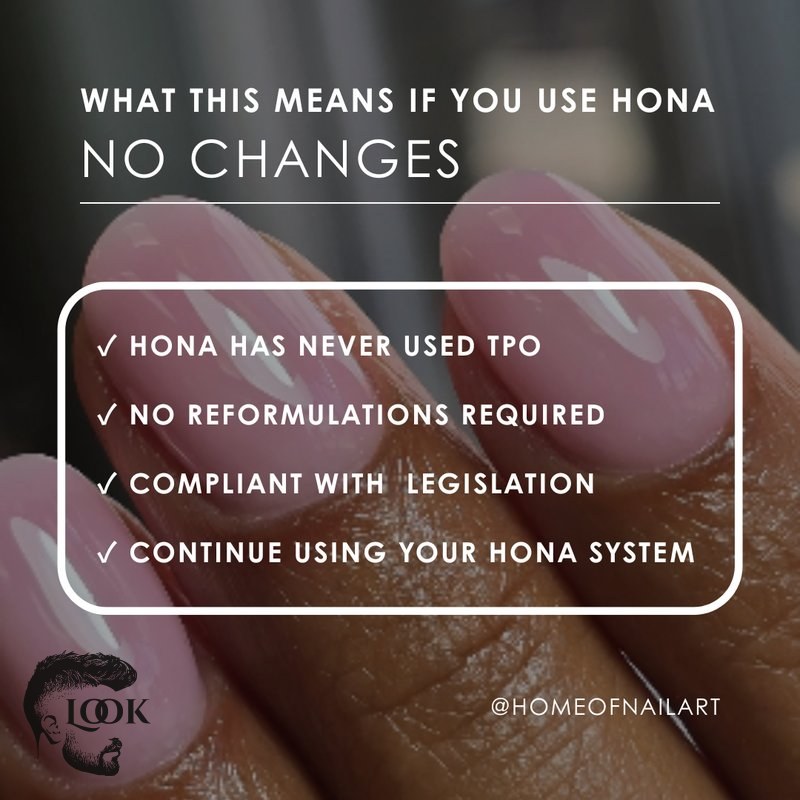
Beyond TPO, it’s also beneficial to look for dip powders that are free from other common allergens and harmful chemicals such as HEMA, formaldehyde, toluene, and DBP. Brands committed to healthier formulations often highlight these exclusions. By choosing products that prioritize safety, you can enjoy beautiful, durable nails while minimizing potential risks to your skin and overall health. Making informed decisions about your nail care routine contributes significantly to long-term nail well-being.
What to look for on product labels and in salons
When you’re at the salon or shopping for dip powder products, knowing what to look for on labels is crucial. The most straightforward indicator is a clear statement from the brand that their product is “TPO-free” or “Does not contain Trimethylbenzoyl Diphenylphosphine Oxide.” Many brands are now prominently displaying this information due to increased consumer awareness and regulatory pressures, especially in regions like the EU.
If a direct “TPO-free” label isn’t present, you’ll need to scrutinize the ingredient list. TPO is usually listed under its full chemical name: Trimethylbenzoyl Diphenylphosphine Oxide. Familiarizing yourself with this name will help you identify it if it’s included. Additionally, inquire about the curing process. If any part of the dip powder system, particularly the topcoat or sealant, requires a UV or LED lamp to cure, there’s a higher likelihood that a photoinitiator like TPO might be present.
Furthermore, don’t hesitate to engage in a conversation with your nail technician. A knowledgeable professional should be able to answer your questions about the products they use and their ingredients. They can also recommend TPO-free options or alternative services if you have specific concerns. Your proactive approach in asking questions ensures you receive a manicure that aligns with your health and safety preferences.
Future of TPO in nail products and regulatory changes
The landscape of nail product ingredients, including TPO, is continuously shaped by ongoing research, consumer demand, and regulatory updates. Regulatory bodies worldwide are increasingly evaluating the safety profiles of cosmetic ingredients, leading to changes in formulations and labeling requirements. The European Union, for instance, has been at the forefront of restricting the use of certain chemicals, including specific concentrations of TPO in nail products, due to concerns about sensitization.
These regulatory shifts significantly impact manufacturers, who must adapt their formulations to comply with new standards. This often means exploring and developing alternative photoinitiators or entirely TPO-free systems, especially for gel-based products. For dip powders, where TPO is less intrinsically tied to the primary curing mechanism, this trend encourages brands to unequivocally confirm their TPO-free status, reinforcing consumer trust and safety.
The future likely holds more transparency from brands regarding their ingredient lists and a continued emphasis on ‘clean’ beauty. Consumers will have more TPO-free options across various nail product categories, including dip powders. This positive trend ensures that individuals can enjoy beautiful and long-lasting manicures with greater peace of mind, knowing that their chosen products prioritize their health and well-being.
Impact of EU regulations on global markets
EU regulations, particularly regarding cosmetic ingredients, often set a precedent that influences global markets. When the European Union restricts or bans an ingredient like TPO, it creates a ripple effect. Manufacturers who operate internationally frequently choose to reformulate their products to meet the strictest regulatory standards, simplifying their production and distribution processes. This means that TPO-free products developed for the EU market often become available in other regions as well.
This harmonization of standards, driven by stringent EU requirements, generally benefits consumers worldwide by increasing the availability of safer products. It pushes brands to innovate and find safer alternatives, leading to a broader selection of TPO-free dip powders and other nail enhancements globally. As a result, the question of whether is TPO in dip powder becomes easier to answer, with more brands openly declaring their products free of this ingredient to align with evolving safety norms.

For nail salons and professionals, staying informed about these global regulatory trends is essential. It ensures they can offer the safest and most compliant products to their clients, maintain trust, and adapt to the evolving demands of the beauty industry. Ultimately, the impact of EU regulations underscores a collective movement towards greater ingredient transparency and consumer safety in personal care products.
Frequently asked questions about TPO in dip powder
What is TPO and why is it a concern in nail products?
TPO (Trimethylbenzoyl Diphenylphosphine Oxide) is a chemical photoinitiator used to cure gel and some hybrid nail products with UV/LED light. It is a concern due to its potential to cause skin sensitization, allergic reactions, and irritation, especially with repeated exposure, leading to regulatory scrutiny.
Are all dip powder systems TPO-free?
No, not all dip powder systems are guaranteed to be TPO-free. While traditional dip powders do not require TPO for curing, some newer hybrid topcoats or sealants that are light-cured may contain it. Always check product labels or ask your nail technician for confirmation.
How can I identify TPO-free dip powder products?
Look for product labels that explicitly state “TPO-free,” “Trimethylbenzoyl Diphenylphosphine Oxide-free,” or “photoinitiator-free.” Reputable brands often highlight these claims. You can also review the full ingredient list or consult with your nail professional.
What are the benefits of choosing TPO-free dip powder?
Choosing TPO-free dip powder significantly reduces the risk of skin irritation, allergic reactions, and sensitization, making it a safer option for individuals with sensitivities or those seeking cleaner beauty products. It aligns with global trends for safer cosmetic ingredients.
Are there other harmful chemicals to avoid in dip powder?
Yes, beyond TPO, it’s advisable to look for dip powders free from HEMA (hydroxyethyl methacrylate), formaldehyde, toluene, DBP (dibutyl phthalate), and camphor. These chemicals are also known allergens or have associated health concerns. Many brands offer “5-free,” “7-free,” or “9-free” formulations.
Conclusion
Navigating the ingredients in nail products can be complex, and the question of “is TPO in dip powder” is a prime example of evolving consumer awareness. While traditional dip powder systems are generally TPO-free, relying on an activator for curing, hybrid formulations or certain topcoats might incorporate this photoinitiator. Understanding TPO’s role, its potential concerns, and how to identify it on labels empowers you to make healthier choices for your nail care.
The trend towards TPO-free products, driven by consumer demand and international regulations like those in the EU, indicates a positive shift towards greater transparency and safety in the nail industry. By choosing products that explicitly state their TPO-free status and asking informed questions, you can ensure your dip powder manicure is not only beautiful and durable but also contributes to your overall well-being. For more information on safe and stunning nail services, explore our options and learn more about whether TPO is in dip powder. At Barberia Peluquería Look Madrid, we are committed to providing exceptional service with your health and satisfaction as our top priorities. Visit us to experience the difference informed and careful choices can make.