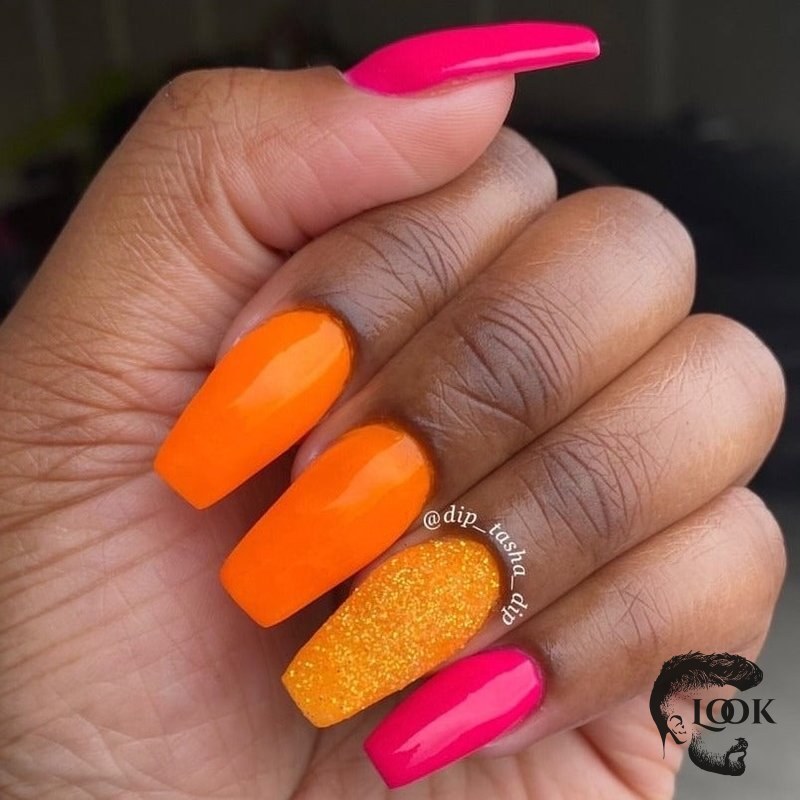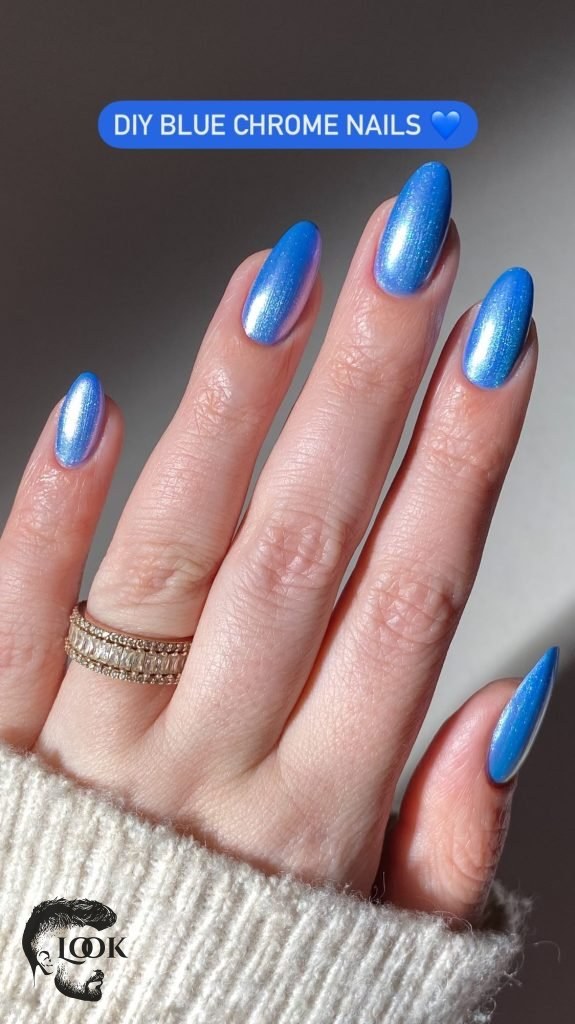
Dip powder nails have revolutionized the beauty industry, offering a durable and vibrant alternative to traditional manicures. Many enthusiasts and newcomers alike often wonder, what is dip powder made of? At Barberia Peluquería Look Madrid, we understand the importance of knowing what goes into the products used on your nails. Dip powder is primarily composed of a finely milled acrylic polymer powder combined with a specialized resin (base coat) and an activator that hardens the layers. This unique blend provides a long-lasting finish that can withstand daily wear and tear, giving you beautiful and resilient nails.
Exploring the specific components of dip powder can help you appreciate its benefits and understand why it has become such a popular choice for many. From the foundational polymers to the vibrant pigments and strengthening additives, each ingredient plays a crucial role in creating the final product. Let’s delve deeper into the science behind these amazing nail treatments.
The Core Components of Dip Powder Formulations
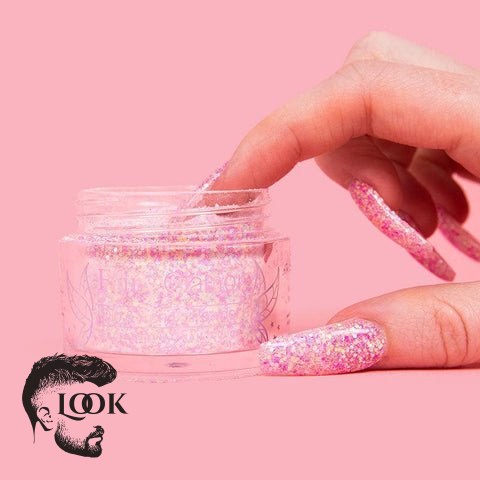
The fundamental composition of dip powder is what sets it apart, ensuring its impressive durability and ease of application. At its heart, dip powder is a fine-grained acrylic powder designed to bond seamlessly with a cyanoacrylate-based resin. This combination creates a strong, protective layer over your natural nails, making them less prone to chipping and breaking. The unique blend allows for a flexible yet hard finish that can last for weeks.
One of the primary ingredients in nail dip powder is poly(ethyl methacrylate) (PEMA) or a co-polymer blend like poly(ethyl methacrylate-co-methyl methacrylate). These acrylic ester polymers are the building blocks, providing the structure and strength. Alongside these polymers, various other ingredients are incorporated to enhance performance, appearance, and ease of use. Understanding these core components is key to appreciating the effectiveness of this manicure system.
Acrylic Polymers: The Foundation of Nail Dip Powder
Acrylic ester polymers are the base ingredient for any dip powder. These polymers are tiny beads that, when combined with a resin, form a solid and durable layer. The specific type of polymer used can influence the flexibility, hardness, and overall longevity of the dip powder manicure. Manufacturers carefully select these polymers to achieve optimal results, ensuring a strong and long-lasting finish.
These polymers are similar to those found in traditional acrylic nail systems but are processed into a much finer grain. This finer consistency allows for smoother application and a more even finish, which contributes to the professional look of dip powder nails. The strength derived from these polymers helps protect natural nails from everyday wear and tear.
Pigments and Color Additives for Nail Powder
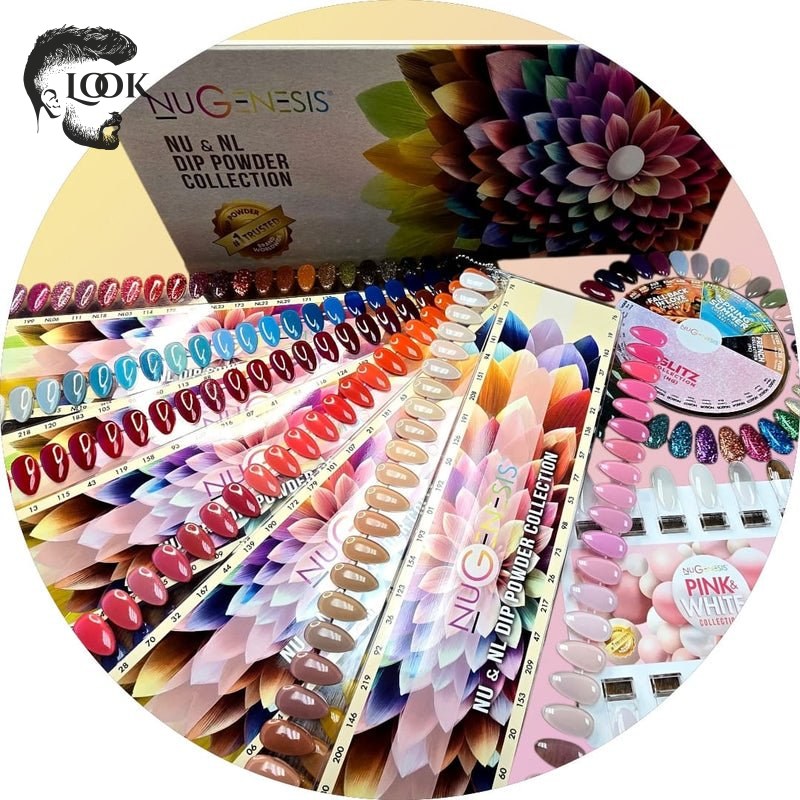
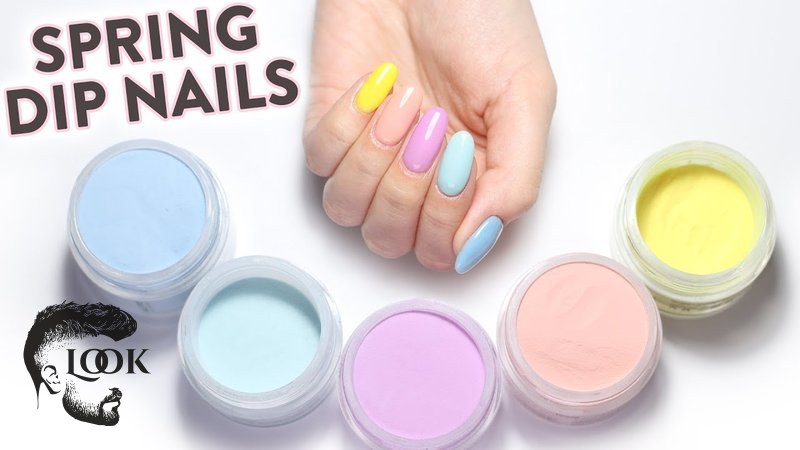
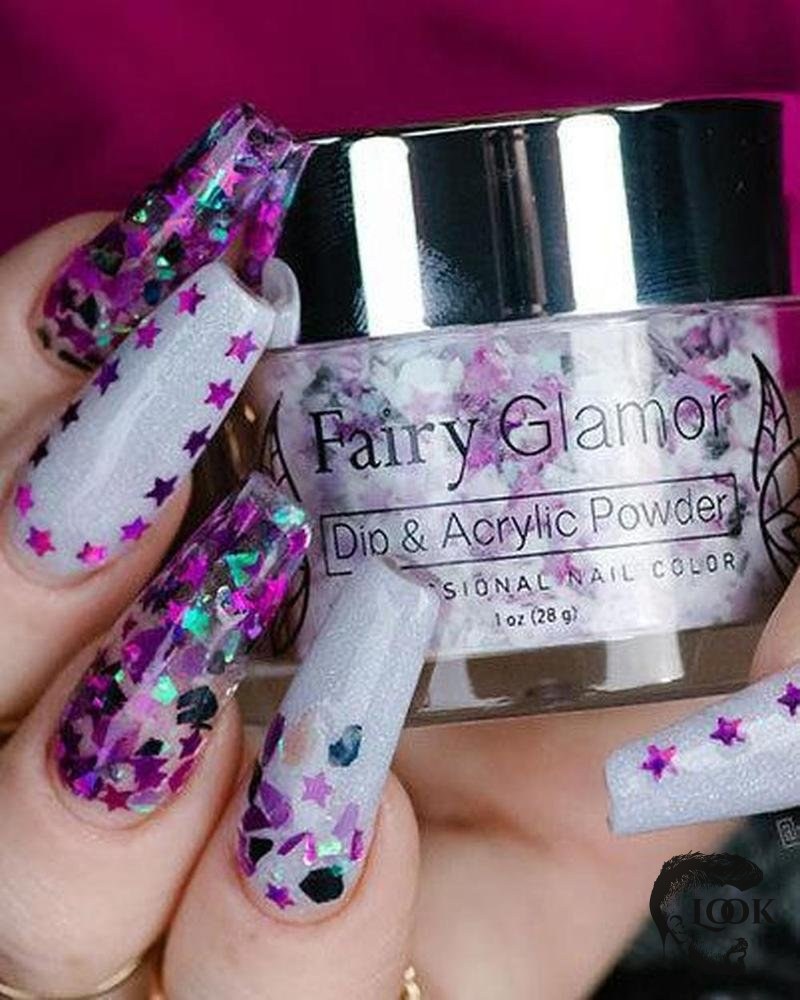
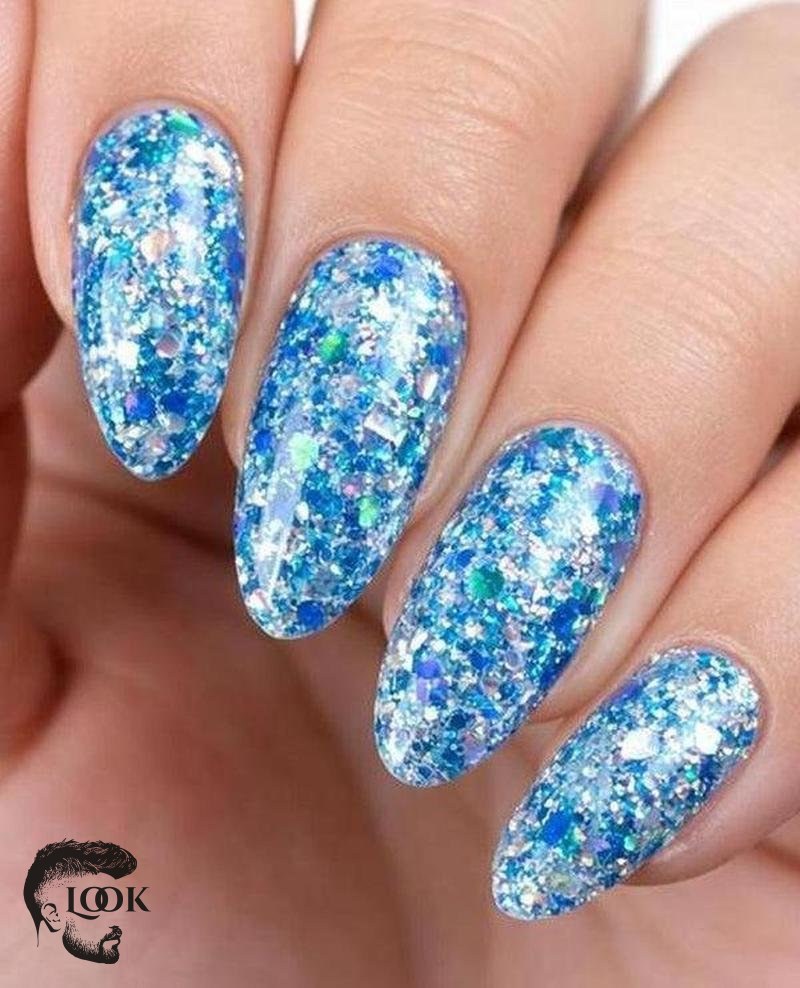
Beyond the structural polymers, pigments are what give dip powder its vibrant array of colors. These finely ground colorants are mixed into the polymer powder to create the vast selection of shades available. From classic reds to sparkling glitters and even glow-in-the-dark options, the possibilities are virtually endless. The quality and type of pigments used play a significant role in the color’s intensity and fade resistance.
Pigments can be organic or inorganic, each offering unique properties in terms of color stability and vibrancy. Some dip powders also include mica or other metallic flakes to create shimmer and glitter effects. Through this technique, the color comes not from a traditional liquid polish but from pigmented dust that is then dried and secured by a clear liquid resin. This method allows for a deeper, more consistent color application that lasts for weeks without chipping or dulling.
The Role of Resins and Activators in Dip Powder Systems
While the powder itself is crucial, it’s the interplay with the liquid components—the base resin and activator—that truly brings a dip powder manicure to life. These liquids work in conjunction with the powder to create a durable, glossy finish. The base resin acts as a cosmetic-grade glue, adhering the powder to the nail, while the activator hardens the layers, ensuring longevity and strength.
The proper application of these liquids is essential for achieving a flawless and long-lasting manicure. Each component plays a specific role, contributing to the overall integrity and appearance of the dip powder system. Understanding how these elements interact can help you appreciate the convenience and effectiveness of this popular nail treatment.
Base Coat Resin: Adhesion and Layering
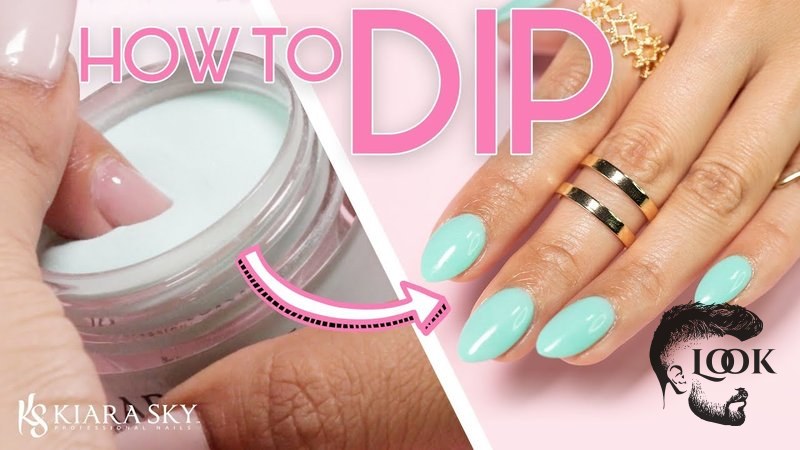
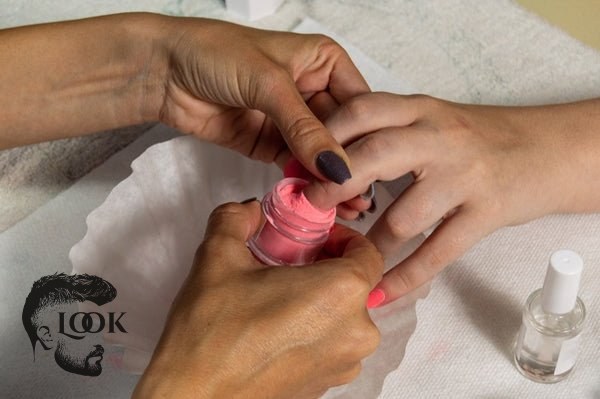
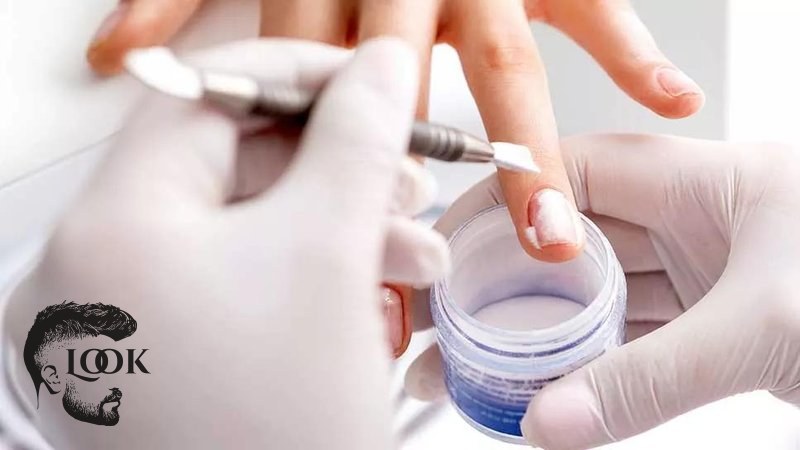
The base coat resin is essentially a cosmetic-grade glue, often a cyanoacrylate-based adhesive, similar to those found in nail glues. This resin is applied to the nail first, creating a sticky surface to which the dip powder adheres. Each layer of powder is applied over a fresh coat of base resin, building up the color and strength of the manicure. This sequential layering is critical for achieving the desired thickness and durability.
The quality of the base coat significantly impacts the overall adhesion and longevity of the dip powder. A good base coat ensures that the powder bonds securely to the nail plate and subsequent layers, preventing lifting and chipping. It’s the primary adhesive component in the system, making it indispensable for a successful dip powder application.
Activator Liquid: Curing and Hardening the Powder
The activator liquid is the catalyst that hardens the layers of dip powder and base resin. Typically containing an ingredient like ethyl acetate, it reacts with the cyanoacrylate in the base coat, causing it to cure rapidly. This curing process transforms the soft powder and sticky resin into a hard, protective shell. Without the activator, the dip powder would remain in a loose, powdery state.
Applying the activator after each powder layer (or at specific stages, depending on the system) is crucial for ensuring that the manicure is fully hardened and resilient. It speeds up the polymerization process, allowing the technician to proceed quickly with filing and shaping. This rapid hardening is one of the key advantages of dip powder, reducing overall manicure time compared to other methods like gel polish that require UV/LED light.
Additional Additives and Their Contributions to Dip Powder
Beyond the core polymers, pigments, resins, and activators, dip powders often include various additives that enhance their performance and aesthetic appeal. These additional ingredients can contribute to features like strengthening, flexibility, or even unique visual effects. Knowing about these additives further helps to answer the question, what is dip powder made of, and why it performs so well.
These additives are carefully selected to ensure they integrate seamlessly into the overall formulation without compromising the core properties of the dip powder. For instance, some powders are designed to be more flexible, reducing the likelihood of cracking, while others might focus on increasing overall nail health. Our expert team at Barberia Peluquería Look Madrid always uses high-quality products that prioritize both beauty and nail health.
Fortifying Agents for Nail Strength and Durability
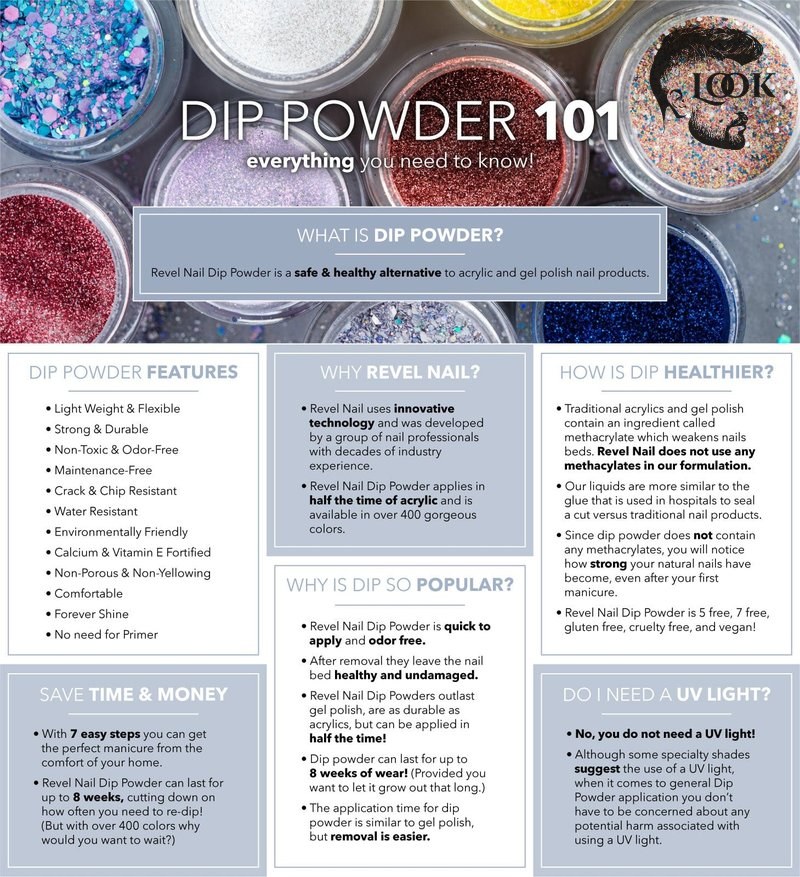
Some dip powders incorporate fortifying agents to enhance nail strength and durability. These agents can include ingredients like calcium, vitamins, or other strengthening compounds. Their purpose is to provide additional support to the natural nail, making it less prone to breakage and improving overall nail health over time. This is particularly beneficial for individuals with weak or brittle nails.
These fortifying additives work by creating a stronger bond within the dip powder layers or by directly nourishing the nail plate. The result is a manicure that not only looks great but also helps to protect and strengthen your natural nails. This focus on both aesthetics and health is a key factor in the growing popularity of dip powder systems.
Glitters and Special Effect Particles
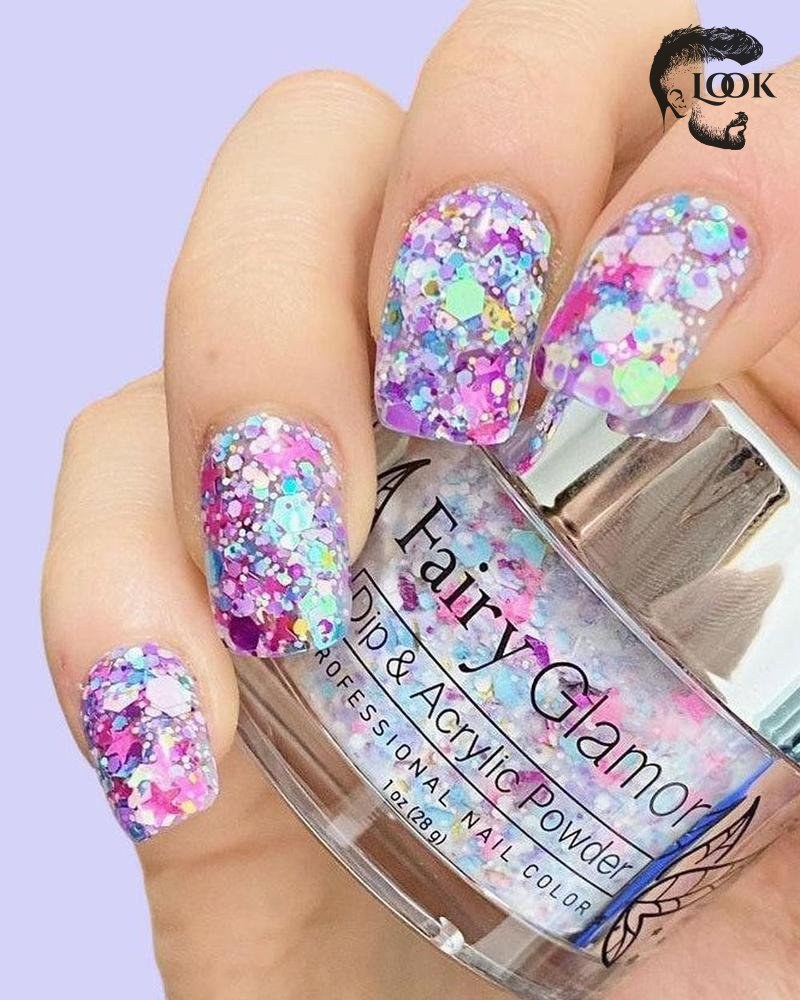
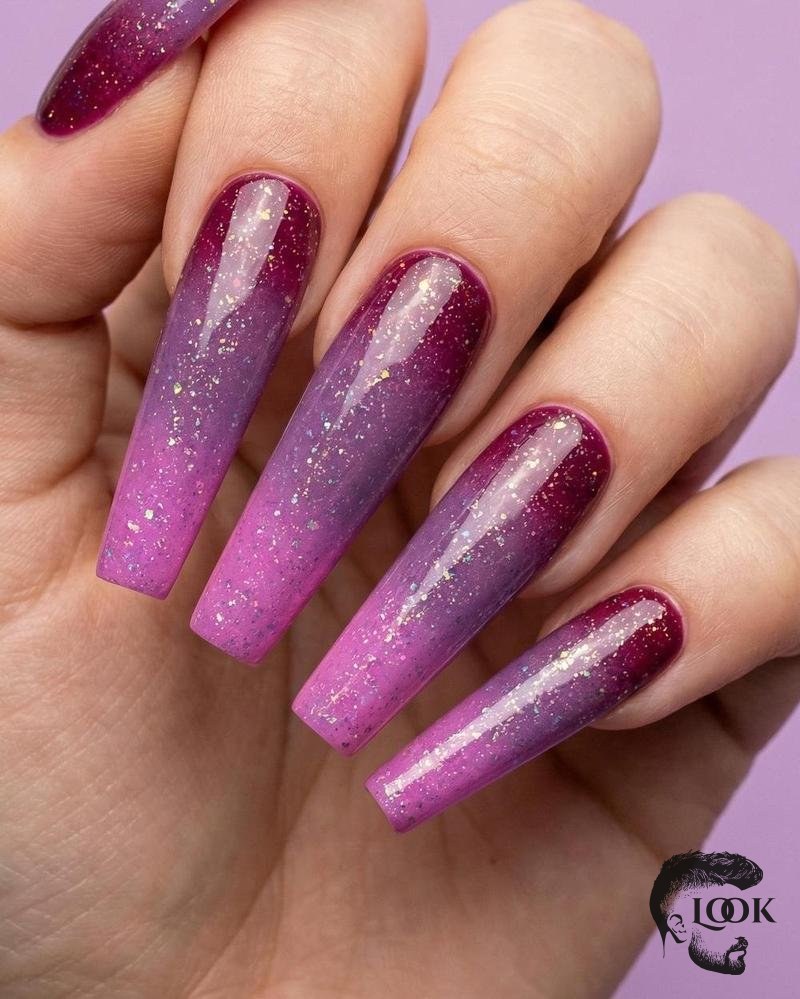
To create unique and eye-catching designs, many dip powders include glitters, shimmers, and other special effect particles. These can range from fine metallic dust to larger holographic flakes, offering a vast spectrum of creative possibilities. These particles are typically made from cosmetic-grade materials that are safe for nail application.
The inclusion of these additives allows for immense customization, from subtle sparkle to bold, glitter-packed finishes. This versatility is one of the reasons why dip powder has become so popular, as it allows individuals to express their personal style with a wide array of options. Whether you prefer a classic solid color or a dazzling glitter effect, there’s a dip powder for every preference.
How Dip Powder Compares to Other Nail Systems
Understanding what is dip powder made of naturally leads to questions about how it compares to other popular nail systems, such as traditional acrylics and gel polish. While there are similarities in their chemical bases, the application methods and overall performance can differ significantly. Each system has its unique advantages and disadvantages, catering to different preferences and needs.
Comparing these systems helps clarify why dip powder has gained such a strong following. It often offers a middle ground between the strength of acrylics and the flexibility of gels, without requiring UV/LED light for curing. This makes it an attractive option for many seeking durable and beautiful manicures.
| Feature | Dip Powder | Traditional Acrylic | Gel Polish |
|---|---|---|---|
| Primary Ingredients | Acrylic polymers, pigments, cyanoacrylate resin | Liquid monomer (EMA), polymer powder (PEMA/PMMA) | Acrylate oligomers, photoinitiators, pigments |
| Curing Method | Activator liquid | Air-dries | UV/LED light |
| Durability | High (3-4 weeks) | Very High (3-4 weeks) | Medium-High (2-3 weeks) |
| Application Process | Dip nails into powder, brush on liquids | Mix liquid and powder, sculpt on nail | Brush on coats, cure under light |
| Removal Process | Soak off in acetone | Soak off in acetone | Soak off in acetone |
| Flexibility | Medium | Low | High |
| Odor | Low odor | Strong odor | Low odor |
Common Concerns and Safety of Dip Powder Ingredients
As with any cosmetic product, understanding the safety of the ingredients in dip powder is paramount. Concerns often arise regarding potential allergens, chemical exposure, and overall nail health. While dip powder is generally considered safe when applied correctly by a trained professional, being informed about its components can help alleviate worries and ensure a positive experience.
Manufacturers are continually striving to create safer and more natural formulations. It’s always recommended to choose reputable brands and salons like Barberia Peluquería Look Madrid that adhere to high safety standards and use quality products. Proper ventilation during application and careful removal procedures are also key to minimizing any potential risks.
Allergenic Components and Sensitivities
While rare, some individuals may experience sensitivities or allergic reactions to certain components in dip powder, particularly the cyanoacrylate found in the base resin. Symptoms can include itching, redness, or swelling around the nail area. If you have known sensitivities to adhesives or acrylics, it’s always advisable to perform a patch test or consult with a dermatologist before a full application.
Many brands now offer “5-free,” “7-free,” or even “9-free” formulations, meaning they are free from common harsh chemicals like formaldehyde, toluene, and DBP. Choosing these options can further reduce the risk of allergic reactions for sensitive individuals, making dip powder a more accessible option for a wider audience.
Frequently Asked Questions About Dip Powder
Is dip powder the same as acrylic powder?
While both dip powder and traditional acrylic powder are made from acrylic polymers, they are formulated differently. Dip powder is a finer grain used with a resin and activator, while traditional acrylic powder is mixed with a liquid monomer to create a sculptable bead.
What is the powder used on nails called?
The powder used on nails for dip manicures is commonly referred to as dip powder or dipping powder. It is primarily composed of acrylic polymers, which provide the strength and durability of the manicure.
Do dip powders contain harmful chemicals?
Reputable dip powder brands strive to minimize harmful chemicals. Many are formulated to be “3-free,” “5-free,” or even “7-free,” meaning they exclude common harsh ingredients like formaldehyde and toluene. It’s always important to check product labels.
How long do dip powder nails typically last?
Dip powder nails are known for their durability and can typically last between three to four weeks without chipping or lifting. Their longevity depends on factors such as nail growth, daily activities, and proper application and aftercare.
Can dip powder damage natural nails?
When applied and removed correctly by a professional, dip powder should not damage natural nails. Damage usually occurs from improper removal, such as peeling or tearing off the product, which can strip layers from the natural nail plate.
Conclusion: The Science Behind Your Beautiful Dip Powder Nails
Understanding what is dip powder made of reveals a fascinating blend of science and beauty. From the foundational acrylic polymers and vibrant pigments to the essential resins and activators, each component plays a critical role in creating the durable, long-lasting, and stunning manicures we love. This intricate composition is what gives dip powder its unique advantages, offering a robust and attractive alternative to other nail systems.
We hope this comprehensive overview has shed light on the key ingredients and processes behind your favorite dip powder nails. Knowing what goes into these products empowers you to make informed choices about your nail care. For those seeking a vibrant and resilient manicure experience, exploring the world of dip powder is an excellent choice. Visit Barberia Peluquería Look Madrid to discover our range of professional nail services and experience the quality difference for yourself.