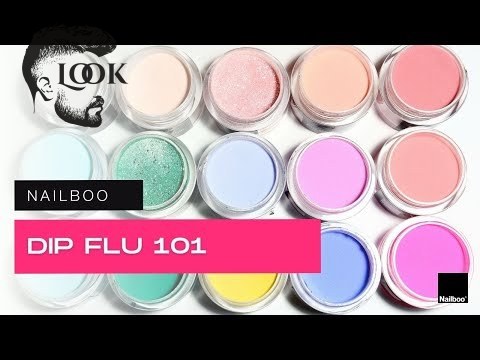
What is dip flu nails, and why does it affect some people after a manicure? This common question puzzles many who experience cold-like symptoms after getting a dip powder manicure. At Barberia Peluquería Look Madrid, we understand the importance of healthy and beautiful nails. “Dip flu” is a common term used to describe a set of allergic or sensitivity reactions to the chemicals found in dip powder nail products, often mimicking the symptoms of a common cold or seasonal allergies. It’s not an actual viral flu, but rather a body’s response to certain ingredients, primarily the cyanoacrylate adhesive (the “glue” used in the process) and the fine powder particles themselves. This phenomenon can be a surprising and uncomfortable side effect for some individuals who enjoy the long-lasting beauty of dip nails. Understanding what causes it and how to prevent it can help you continue to enjoy your favorite nail treatments without the unwanted sniffles and sneezes.
Understanding What is Dip Flu Nails and Its Symptoms
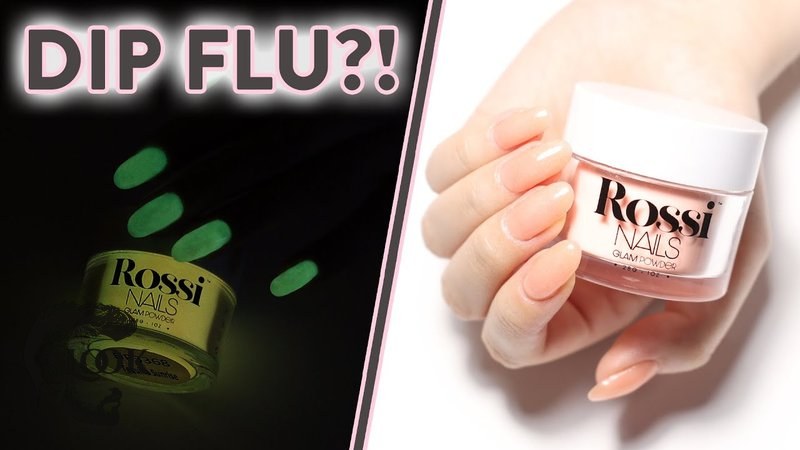
For many, the idea of getting a beautiful, long-lasting dip powder manicure is exciting. However, a phenomenon known as “dip flu” can sometimes dampen the experience. Understanding what is dip flu nails begins with recognizing its symptoms, which often mimic those of a common cold or seasonal allergies. These symptoms can range from mild irritation to more noticeable discomfort, affecting your overall well-being after a nail session.
Typical symptoms of dip flu include sneezing, a runny or stuffy nose, watery or itchy eyes, and sometimes even a sore throat or mild headache. Some individuals might also experience a slight cough or a general feeling of malaise. It’s important to note that these symptoms usually appear shortly after a dip powder application, often within hours or the next day, and typically subside within 24 to 48 hours. The intensity of these symptoms can vary greatly from person to person, depending on their individual sensitivity to the products used. Recognizing these signs early can help you manage the discomfort and take appropriate preventive measures for future manicures.
Common Signs and Sensitivities After Dip Powder
After a dip powder application, some common signs indicate a potential “dip flu” reaction. One of the most frequently reported symptoms is persistent sneezing, often accompanied by nasal congestion or a runny nose. Many users describe waking up the morning after their manicure feeling as though they have caught a cold. This nasal irritation is a primary indicator of sensitivity to the chemicals or fine powder particles involved in the dip nail process. Another tell-tale sign is the development of watery, itchy, or irritated eyes. The airborne particles and chemical fumes can cause a localized allergic response in sensitive individuals, leading to ocular discomfort.
Beyond nasal and ocular symptoms, some people also report a mild sore throat, a dry cough, or even a scratchy feeling in their chest. While less common, body aches or a general feeling of fatigue can also be part of the “dip flu” experience. It is crucial to distinguish these reactions from a genuine viral infection. With dip flu, the symptoms typically emerge rapidly after exposure to the dip powder products and often resolve within a day or two as the body processes the irritants. If symptoms persist or worsen, it’s always best to consult a healthcare professional. Understanding these specific sensitivities helps individuals identify if what is dip flu nails affects them personally.
The Causes Behind What is Dip Flu Nails
Delving into what is dip flu nails requires an understanding of its underlying causes. While the symptoms might resemble a common cold, the culprit isn’t a virus but rather a reaction to specific components found in dip powder nail systems. Identifying these triggers is the first step in prevention and management. The primary factors contributing to dip flu are often related to the chemical ingredients and the application process itself, creating an environment that can provoke an allergic or sensitivity response in certain individuals. Awareness of these causes empowers you to make informed decisions about your nail care routine and take proactive steps to minimize the risk of experiencing dip flu.
The main offenders are typically the fine dust particles released during the dipping and filing stages, as well as the adhesive liquid (usually cyanoacrylate, similar to super glue) used to bond the powder to the nail. These substances can become airborne and, when inhaled, irritate the respiratory system or trigger an allergic reaction. Ventilation plays a crucial role; inadequate airflow can concentrate these irritants, increasing the likelihood of symptoms. Moreover, individual sensitivities vary greatly. What might be harmless to one person could cause a significant reaction in another, highlighting the importance of personal awareness and careful product selection.

Chemical Sensitivities and Airborne Particles
The core of what is dip flu nails often lies in the body’s reaction to certain chemicals and airborne particles prevalent in dip powder systems. The primary chemical responsible for binding the dip powder to the nail is cyanoacrylate, a potent adhesive commonly found in many types of glue. For some individuals, repeated exposure or even a single intense exposure to the fumes emitted by this chemical can trigger an irritant reaction in the respiratory tract. This reaction manifests as sneezing, congestion, and other flu-like symptoms. The volatile organic compounds (VOCs) present in the dip liquids can also contribute to this sensitivity, especially in poorly ventilated areas where these fumes can accumulate.
In addition to chemical fumes, the fine dust particles created during the dipping and filing process are significant contributors to dip flu. When the nail is dipped into the powder, and especially when excess powder is brushed off or the nail is filed to shape, tiny particles become airborne. These microscopic particles can be inhaled, irritating the delicate linings of the nose, throat, and lungs. For those with pre-existing allergies or respiratory sensitivities, these particles can exacerbate symptoms or trigger new ones. Effective ventilation and protective measures are crucial to minimizing exposure to both the chemical fumes and the airborne powder, thus reducing the likelihood of experiencing dip flu.

Effective Strategies to Prevent Dip Flu
Experiencing what is dip flu nails can be incredibly frustrating, but thankfully, there are several effective strategies you can employ to prevent or significantly reduce its occurrence. By implementing a few simple changes in your nail routine and environment, you can enjoy the beauty and durability of dip powder nails without the uncomfortable flu-like symptoms. Prevention often involves a combination of product awareness, proper application techniques, and creating a safer environment for your manicure. These strategies are designed to minimize your exposure to the irritants responsible for dip flu, allowing you to maintain healthy nails and a comfortable experience. At Barberia Peluquería Look Madrid, we emphasize safety and client comfort in all our services.
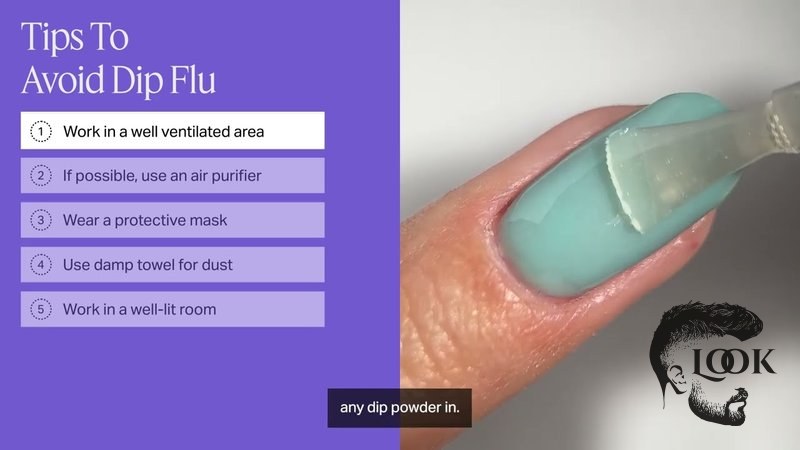
One of the most crucial preventive measures is ensuring adequate ventilation during the dip powder application. Working in a well-ventilated area, either with open windows or using a fume extractor, can significantly reduce the concentration of airborne particles and chemical fumes. Another strategy involves choosing products specifically formulated for sensitive individuals or those labeled as “odorless” or “low-odor,” which often contain less irritating ingredients. Additionally, personal protective equipment, such as a face mask, can provide a physical barrier against inhaling airborne particles. Being mindful of these practices can make a substantial difference in preventing the onset of dip flu symptoms.
Ventilation and Protective Measures
When discussing what is dip flu nails and how to avoid it, proper ventilation and personal protective measures stand out as critical steps. The goal is to minimize your exposure to the fine powder particles and chemical fumes that can trigger symptoms. If you’re doing your nails at home, always ensure you are in a well-ventilated area. This means opening windows, using a fan to direct airflow away from your face, or even investing in a small air purifier for your workspace. Good airflow helps disperse the airborne irritants, significantly reducing their concentration in the air you breathe.
In addition to environmental ventilation, personal protective equipment can provide an extra layer of defense. Wearing a high-quality face mask, such as an N95 or even a standard surgical mask, can filter out many of the fine powder particles and some chemical fumes. Safety glasses can also protect your eyes from irritation caused by airborne dust. Furthermore, consider using gloves to prevent skin contact with the dip liquids, as skin sensitivity can also contribute to overall discomfort. These simple yet effective measures can dramatically lower your risk of experiencing dip flu symptoms, allowing you to enjoy your dip powder manicures with greater peace of mind.
Choosing Hypoallergenic and Low-Odor Products
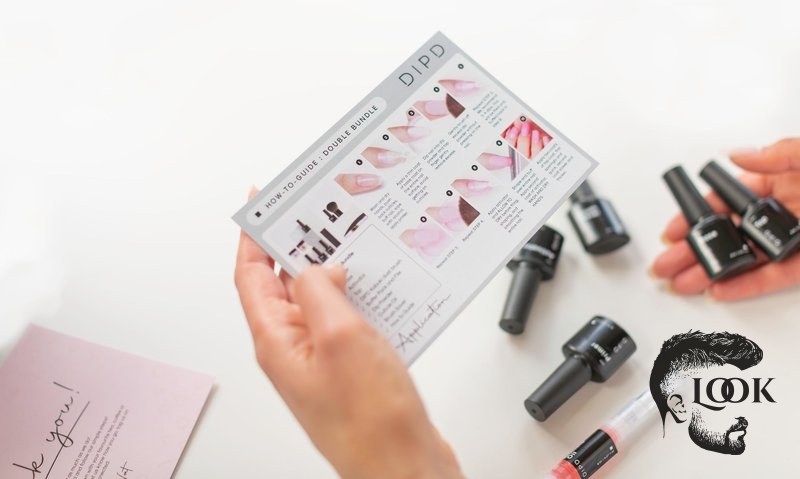
One of the most effective strategies to prevent what is dip flu nails is to be selective about the products you use. Opting for hypoallergenic and low-odor dip powder systems can make a significant difference, especially if you know you have sensitivities. Traditional dip liquids often contain higher concentrations of chemicals like ethyl cyanoacrylate, which is a common irritant. Many brands now offer formulations specifically designed to reduce these irritants, making them a safer choice for sensitive individuals. Look for products explicitly labeled as “odorless,” “low-odor,” or “hypoallergenic.” While no product can be guaranteed to be 100% free of allergens for everyone, these formulations significantly reduce the likelihood of a reaction.
When selecting dip powders and liquids, always read the ingredient list carefully. Some brands also offer “gel method” alternatives, where a gel topcoat and base coat are used instead of traditional dip liquids, sometimes reducing exposure to certain irritants. Additionally, consider doing a patch test with new products on a small area of your skin before applying them to your nails. This can help you identify any immediate sensitivities without committing to a full manicure. Investing in higher-quality, specialty products designed with sensitivity in mind can be a game-changer for those prone to dip flu, ensuring a more comfortable and enjoyable nail care experience. This focus on product choice aligns with the commitment of Barberia Peluquería Look Madrid to client well-being.

Managing Dip Flu Symptoms if They Occur
Even with the best preventive measures, understanding what is dip flu nails sometimes means knowing how to manage its symptoms if they do occur. While prevention is always the primary goal, occasional reactions can still happen, especially if you are highly sensitive or exposed to new products. Fortunately, the symptoms of dip flu are typically mild and self-limiting, and there are several ways to alleviate discomfort. Knowing how to react calmly and effectively can help you quickly recover and minimize disruption to your day. This section will guide you through practical steps and remedies to ease dip flu symptoms, ensuring you can return to feeling your best as soon as possible.
The immediate steps involve removing yourself from the source of irritation and allowing your body to recover. For nasal congestion and sneezing, over-the-counter antihistamines or nasal sprays can provide relief. Eye drops can soothe irritated and watery eyes, while staying hydrated by drinking plenty of fluids can help with a scratchy throat or general malaise. Resting and avoiding further exposure to irritants are also beneficial. If symptoms persist for more than 48 hours, worsen, or cause significant distress, it is always advisable to consult a healthcare professional. Most importantly, avoid using the specific products that triggered the reaction in the future to prevent recurrence.
Home Remedies and Over-the-Counter Solutions
When dealing with what is dip flu nails, several home remedies and over-the-counter solutions can provide effective relief for the common symptoms. For nasal congestion and sneezing, rinsing your nasal passages with a saline solution can help clear out irritants and reduce inflammation. Over-the-counter antihistamines, like cetirizine or loratadine, can significantly reduce sneezing, runny nose, and itchy eyes by blocking the body’s histamine response to allergens. Decongestant nasal sprays can also offer temporary relief from stuffiness, but they should be used sparingly to avoid rebound congestion.
For irritated or watery eyes, sterile eye drops or artificial tears can help soothe discomfort and flush out any remaining particles. If you experience a mild sore throat, gargling with warm salt water can alleviate irritation, and lozenges or throat sprays can provide temporary relief. Staying well-hydrated by drinking plenty of water and herbal teas is also beneficial, as it helps thin mucus and supports overall recovery. Resting and avoiding strenuous activities can also aid your body in recovering more quickly from the temporary irritation. Remember, these remedies are for symptomatic relief; preventing future occurrences by addressing the root cause is key.

When to Consult a Healthcare Professional
While most cases of what is dip flu nails are mild and resolve within a day or two with home care, there are specific situations when consulting a healthcare professional becomes important. If your symptoms are severe, such as significant difficulty breathing, persistent chest pain, or a high fever, these could indicate a more serious condition and warrant immediate medical attention. Dip flu should not cause these severe symptoms, so their presence suggests an underlying issue or a more pronounced allergic reaction that requires professional evaluation.
You should also seek medical advice if your dip flu symptoms do not improve within 48 to 72 hours, or if they worsen over time. Persistent or escalating symptoms could indicate that your body is having a stronger allergic reaction, or that you might have contracted an actual viral infection that coincidentally appeared after your manicure. A doctor can accurately diagnose your condition, rule out other illnesses, and recommend appropriate treatment, which might include prescription antihistamines, corticosteroids, or other medications for severe allergies. Always prioritize your health and well-being; when in doubt, it’s best to err on the side of caution and consult a medical expert.
Frequently Asked Questions About Dip Flu Nails
What exactly causes the “flu-like” symptoms of dip flu?
The flu-like symptoms of dip flu are primarily caused by an irritant or allergic reaction to the fine dust particles from the dip powder and the chemical fumes, especially cyanoacrylate, found in the dip liquids. These substances can irritate your respiratory system and trigger a response that mimics cold symptoms, such as sneezing, congestion, and watery eyes.
Can anyone get dip flu, or are some people more susceptible?
While anyone can potentially experience dip flu, some individuals are more susceptible. Those with pre-existing allergies, asthma, or general chemical sensitivities are more prone to developing symptoms. Repeated exposure to dip powder products without proper ventilation can also increase a person’s sensitivity over time.
How long do dip flu symptoms typically last?
Dip flu symptoms are generally mild and temporary, typically lasting for about 24 to 48 hours after exposure to the dip powder products. Once the irritants are out of your system, the symptoms should subside. If symptoms persist or worsen beyond this timeframe, it’s advisable to consult a healthcare professional.
Is dip flu contagious like a regular flu?
No, dip flu is not contagious. It is an allergic or irritant reaction to chemicals and airborne particles, not a viral infection. You cannot catch dip flu from another person, nor can you spread it. The symptoms are a localized bodily response to specific nail product ingredients.
Can switching to different dip powder brands help prevent dip flu?
Yes, switching to different dip powder brands, especially those labeled as “hypoallergenic,” “low-odor,” or “odorless,” can often help prevent dip flu. Different brands use varying formulations and ingredient concentrations, so finding a brand that uses less irritating chemicals can significantly reduce your chances of experiencing symptoms.
Understanding what is dip flu nails empowers you to make informed decisions about your nail care. By recognizing the symptoms, identifying the causes, and implementing effective prevention strategies, you can continue to enjoy beautiful dip powder manicures without the uncomfortable side effects. Remember that proper ventilation, protective measures, and choosing hypoallergenic products are key to a healthier and more enjoyable experience. If you ever experience persistent or severe symptoms, always consult a healthcare professional for guidance. For more beauty tips and professional services, visit Barberia Peluquería Look Madrid, where we prioritize your health and beauty. We’re here to help you achieve stunning nails safely and comfortably. For further information on managing and avoiding these symptoms, consider exploring resources on what is dip flu nails.