Planning for surgery involves many preparations, and one common question that arises for many individuals is regarding their nail enhancements. Specifically, “can I wear dip powder nails during surgery?” It is generally recommended to remove dip powder nails, along with other artificial nail enhancements and polish, before undergoing surgery. This precaution is vital for patient safety and to ensure accurate monitoring during your procedure. At Barberia Peluquería Look Madrid, we understand the desire to look your best, but prioritizing health and safety is always paramount, especially when facing a medical procedure.
Understanding the reasons behind this recommendation can help you prepare effectively. Medical teams need unobstructed access to your nail beds to monitor crucial vital signs, and artificial nails can interfere with these devices. Let’s delve into why these guidelines are in place and what steps you can take to ensure a safe surgical experience.
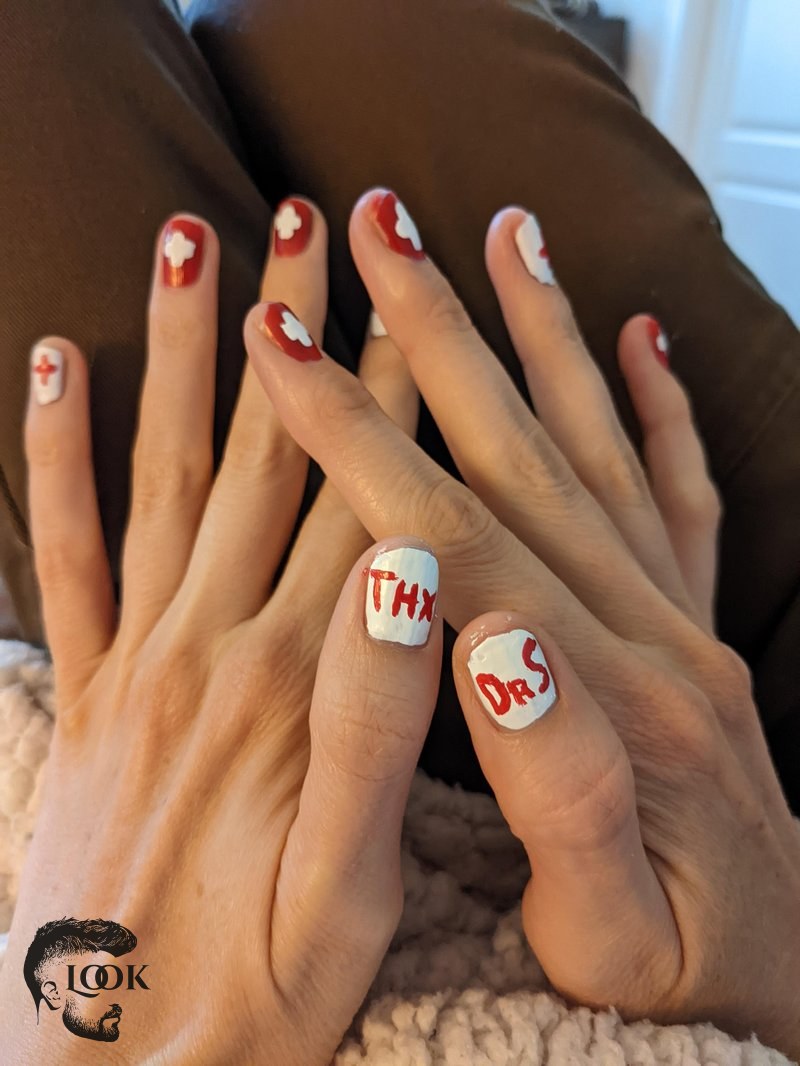
Why medical teams recommend removing dip powder nails before surgery
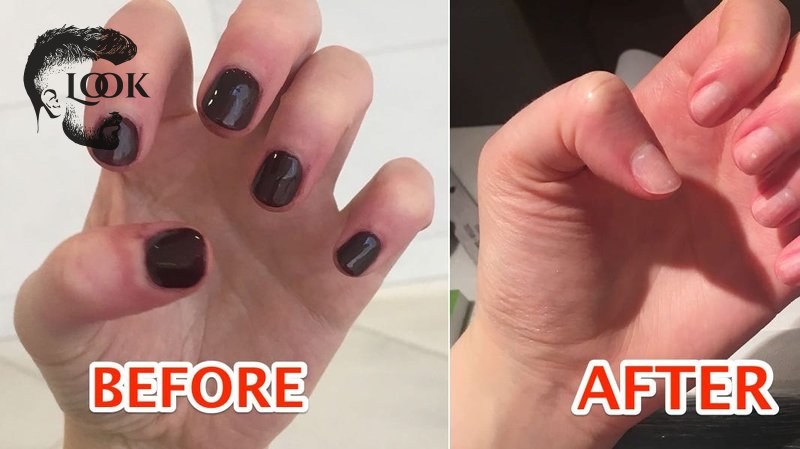
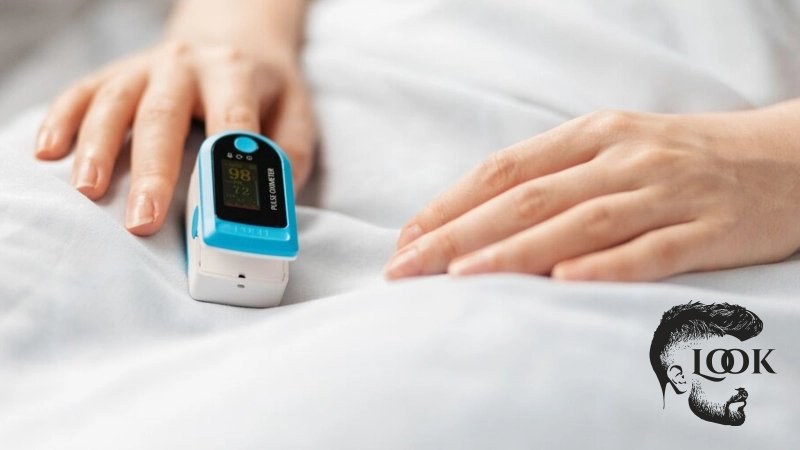
Medical professionals strongly advise against wearing dip powder nails, and any other nail enhancements, during surgery due to several critical safety concerns. The primary reason revolves around the accurate functioning of monitoring equipment. During any surgical procedure, a pulse oximeter is routinely used, typically clipped onto a finger, to measure the oxygen saturation level in your blood. This device works by emitting light through your finger and detecting the amount of light absorbed by your blood.
Dip powder nails, like other artificial nails and dark nail polishes, can significantly obstruct this light, leading to inaccurate readings. A false low oxygen reading could cause unnecessary alarm or even lead to medical interventions that are not truly needed, while a missed actual drop in oxygen could have serious consequences. The ability to quickly and accurately assess a patient’s oxygen levels is non-negotiable for anesthesia providers and surgical teams. Ensuring the pulse oximeter can function optimally is a simple yet crucial step in maintaining patient safety throughout the procedure.
Impact on pulse oximeter accuracy and vital sign monitoring
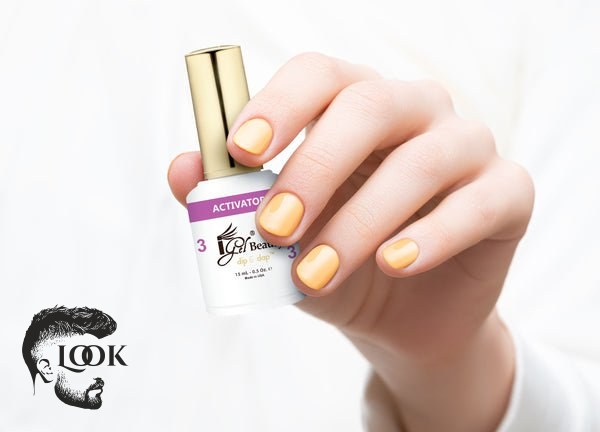
The pulse oximeter is a small, non-invasive device that plays a huge role in patient safety during surgery. It measures how well oxygen is being delivered to your body’s tissues. The light it emits must pass through the nail and nail bed to get a precise reading. When dip powder nails are present, especially if they are thick or opaque, they can block this light, causing the pulse oximeter to give incorrect oxygen saturation levels.
Inaccurate readings can be misleading for the surgical team, who rely on this data to make informed decisions about your care. They need to know your true oxygen levels to respond quickly to any changes in your condition. Therefore, removing dip powder nails ensures that this essential piece of equipment can accurately monitor your vital signs, contributing significantly to a safer surgical experience.
Assessing nail bed color for circulatory health

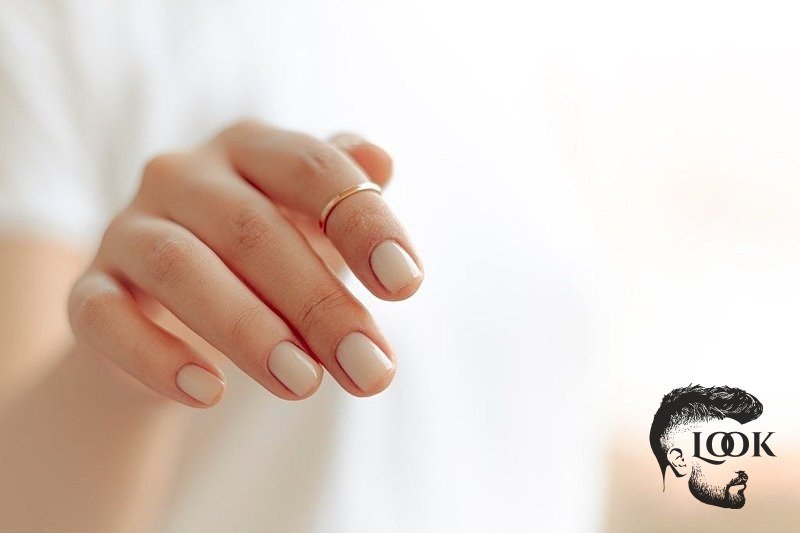
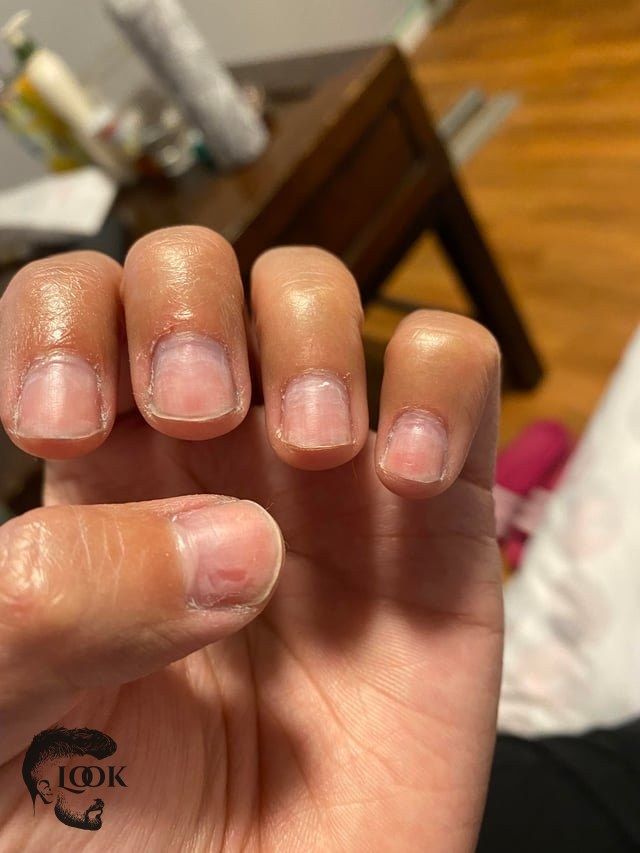
Beyond equipment interference, another critical reason for removing dip powder nails is the ability to visually assess your nail beds. The color of your nail beds can provide important clues about your circulatory health and oxygenation status. During surgery, medical staff frequently check the color of your skin and nail beds for any changes that might indicate a problem, such as poor circulation or a drop in blood oxygen.
A healthy pink color typically suggests good blood flow and oxygenation. If your nail beds start to appear pale, bluish, or purplish, it can be an early indicator of issues like low blood pressure, poor circulation, or inadequate oxygen supply. Dip powder nails, being opaque, completely hide these vital visual cues, making it impossible for the surgical team to monitor this critical aspect of your health. This simple visual check can sometimes reveal problems faster than a machine, making unobstructed nails invaluable.
Understanding the risks of wearing artificial nails during surgery
While the convenience and aesthetic appeal of dip powder nails are undeniable, their presence during surgery introduces several potential risks that go beyond just vital sign monitoring. These risks are primarily related to hygiene, the potential for complications, and challenges in emergency situations. For these reasons, medical guidelines universally lean towards having natural, unadorned nails for any surgical procedure.
The surgical environment demands the highest standards of sterility and patient safety. Artificial nails, by their very nature, can compromise these standards in ways that might not be immediately obvious. Understanding these risks can help you appreciate why it’s a necessary precaution to remove them before your scheduled procedure.
Potential for bacterial growth and infection
Artificial nails, including dip powder nails, can harbor bacteria and other microorganisms. Even with diligent cleaning, tiny crevices between the natural nail and the artificial layer can become breeding grounds for germs. In a surgical setting, where the risk of infection is a constant concern, anything that introduces additional bacteria is a serious liability.
If an infection were to occur, it could lead to complications, extend recovery time, or even put the patient’s life at risk. The operating room environment is meticulously sterilized to minimize these dangers, and having nails that might carry hidden pathogens goes against these strict protocols. Removing them eliminates this unnecessary risk, contributing to a safer surgical outcome.
Interference with medical procedures and emergency access
In certain medical situations, particularly emergencies, access to the nail bed is crucial. For instance, if intravenous lines need to be started or if there’s a need to assess capillary refill time (a quick test of blood flow), artificial nails can be a significant hindrance. In rare cases, if a patient’s oxygen levels drop rapidly, medical staff might need to quickly remove nail enhancements to apply a pulse oximeter or to visually assess the nail bed directly.
The time it takes to remove dip powder nails, which often requires soaking and scraping, is simply not available in a fast-paced emergency. Having natural nails ensures that medical personnel can act swiftly and efficiently without any added obstacles, which can be life-saving. For the best patient care, Barberia Peluquería Look Madrid always recommends preparing thoroughly for your surgery.
Preparing your nails for surgery: Best practices
Preparing for surgery involves more than just following pre-operative instructions; it also extends to minor details like your nails. To ensure your safety and facilitate the work of the medical team, there are specific best practices for your nails. This preparation is a small but significant step in contributing to a smooth and successful surgical experience.
It’s about making sure nothing interferes with vital monitoring equipment or prevents medical staff from quickly assessing your health. When you’re wondering “can I wear dip powder nails during surgery,” the answer leans heavily towards removal for these important reasons. Proper nail preparation minimizes risks and helps everyone focus on your health.
Timelines for removing dip powder and other enhancements
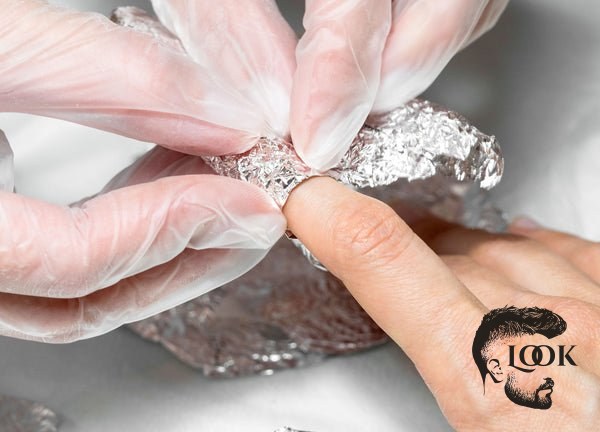
If you have dip powder nails, gel polish, or acrylics, it’s wise to plan for their removal well in advance of your surgery date. Most medical facilities will advise removing them at least a few days before your scheduled procedure. This gives your natural nails time to breathe and allows for any residue to be thoroughly cleaned off.
Rushing the removal process can damage your natural nails, so scheduling an appointment with your nail technician for professional removal is recommended. Avoid trying to pick or peel them off yourself, as this can cause weakening or breakage of your nails, which you want to avoid before a medical procedure.

Caring for natural nails before your procedure
Once your dip powder nails are removed, focus on caring for your natural nails to ensure they are healthy and strong for surgery. Keep them clean, trimmed, and moisturized. Using a gentle hand cream or cuticle oil can help nourish your nail beds. It’s also a good idea to avoid applying any new polish, even clear coats, right before surgery, as some hospitals might prefer completely bare nails.
If you have any concerns about the health of your nails or notice any signs of infection (redness, swelling, pain), be sure to inform your doctor or surgeon during your pre-operative appointment. Healthy, natural nails make it easier for the medical team to monitor your circulation and oxygen levels effectively, enhancing your overall safety during the procedure. For beautiful nails any other time, visit Barberia Peluquería Look Madrid.
What about clear nail polish or a single bare nail?
The question of whether clear nail polish or leaving just one nail bare is acceptable often comes up when patients are told they cannot have artificial nails or colored polish for surgery. While it might seem like a compromise, the general recommendation remains to have all nails completely bare. The reasons are rooted in safety and consistency.
Even clear polish can slightly interfere with pulse oximeter readings, albeit less significantly than opaque colors. Furthermore, the ability to visually assess all nail beds for circulatory health is preferred. While some medical teams might be more lenient, it’s always best to err on the side of caution.
Why even clear polish may be an issue
Even clear nail polish, while less problematic than dark or opaque colors, can still present a slight impedance to the pulse oximeter’s light transmission. The device relies on light passing through the nail and tissue to accurately determine oxygen saturation. Any layer, no matter how transparent, can potentially distort this process, leading to less reliable readings.
Additionally, the composition of some clear polishes might contain reflective or light-scattering agents that could further complicate readings. To ensure the highest level of accuracy and safety, most medical professionals advise against any nail polish, including clear. This eliminates any potential for interference and provides the clearest possible window into your vital signs.
The importance of discussing with your surgical team
The most definitive answer to “can I wear dip powder nails during surgery” or any questions regarding nail preparation will come directly from your surgical team. Policies can vary slightly between hospitals and even individual surgeons, so always consult with them well in advance of your procedure. They can provide specific instructions tailored to your surgery and health condition.
Don’t hesitate to ask detailed questions during your pre-operative appointments. It’s better to be fully informed and prepared than to arrive on the day of surgery with nails that need to be removed, potentially causing delays or unnecessary stress. Open communication ensures you meet all requirements for a safe and smooth surgical experience.
Frequently asked questions about dip powder nails and surgery
Here are some common questions patients have regarding dip powder nails and surgical procedures.
Will I definitely have to remove my dip powder nails for surgery?
In most cases, yes, you will be asked to remove your dip powder nails before surgery. This is a standard safety protocol to ensure accurate monitoring of your vital signs and to allow for visual assessment of your nail beds.
What if I only have one finger with dip powder nails?
Even if only one finger has dip powder, it’s generally advisable to remove it. The pulse oximeter can be placed on any finger, and having a completely bare finger ensures the most accurate reading without any potential for interference.
How far in advance should I remove my dip powder nails?
It is recommended to remove dip powder nails at least a few days to a week before your scheduled surgery. This allows for professional removal, prevents rushing, and gives your natural nails time to recover if needed.
Can I wear clear nail polish instead of colored dip powder?
While clear nail polish is less obstructive than colored dip powder, many medical teams still prefer completely bare nails. It’s best to check with your surgical team for their specific policy regarding clear polish.
What are the risks if I don’t remove my dip powder nails?
The main risks include inaccurate pulse oximeter readings, which can compromise vital sign monitoring, and preventing medical staff from visually assessing your circulatory health via your nail beds. There’s also a minor risk of harboring bacteria.
Conclusion
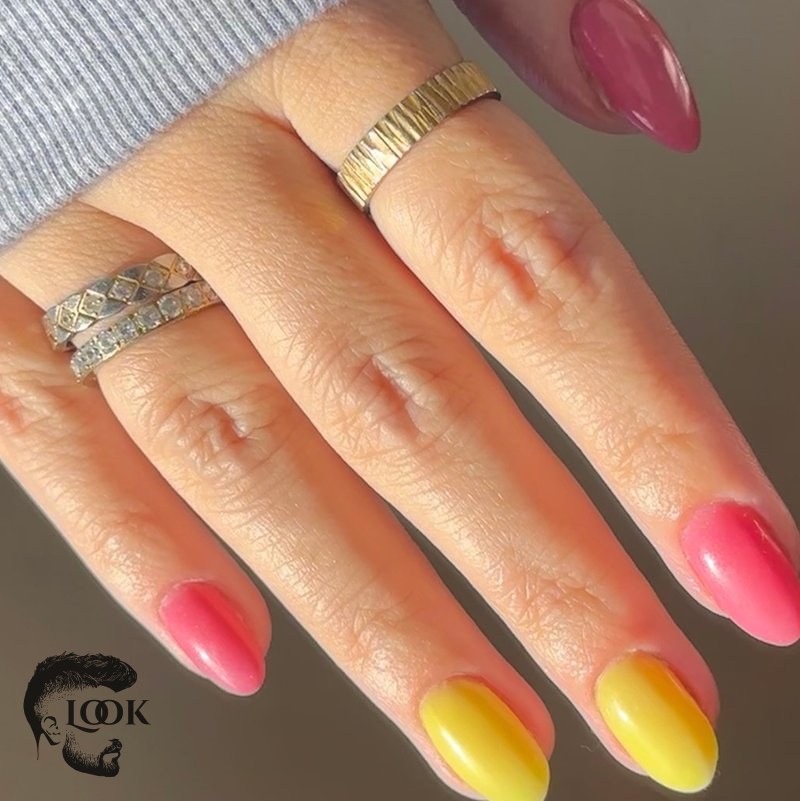
In summary, when asking “can I wear dip powder nails during surgery,” the safest and most widely accepted answer is no. Removing dip powder nails, along with any other nail enhancements or polish, is a crucial step in preparing for surgery. This ensures the accurate functioning of vital monitoring equipment like pulse oximeters and allows medical staff to visually assess your circulatory health. These seemingly small details play a significant role in your overall safety and the success of your procedure.
By understanding the reasons behind these guidelines and preparing your nails accordingly, you contribute to a smoother and safer surgical experience. Always consult with your surgical team for their specific requirements. For those moments when you aren’t preparing for surgery and want beautiful nails, remember to visit Barberia Peluquería Look Madrid for all your beauty needs. If you have more questions about wearing dip powder nails during surgery, always prioritize your doctor’s advice.