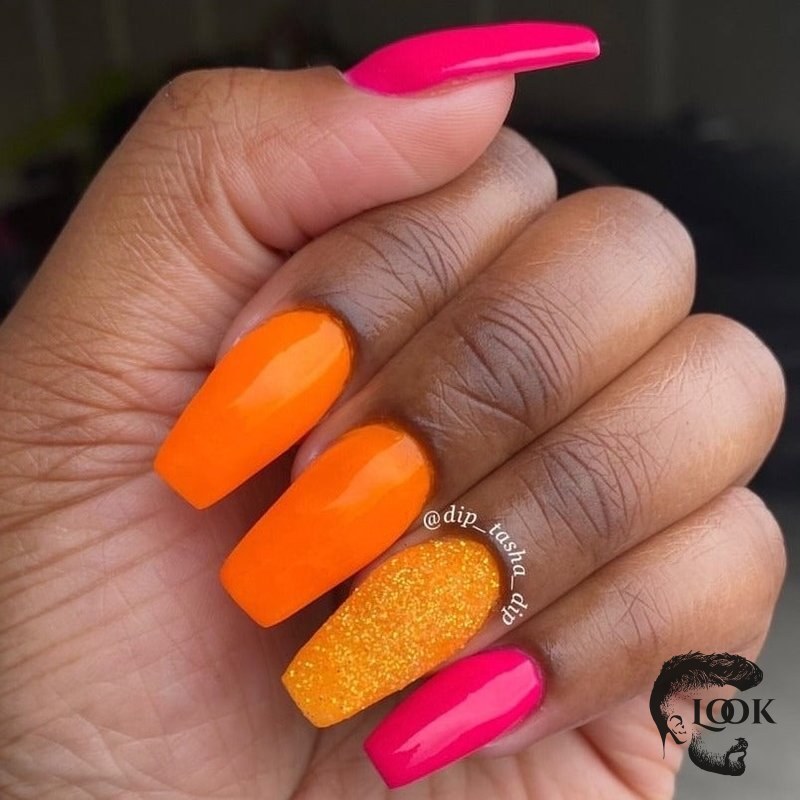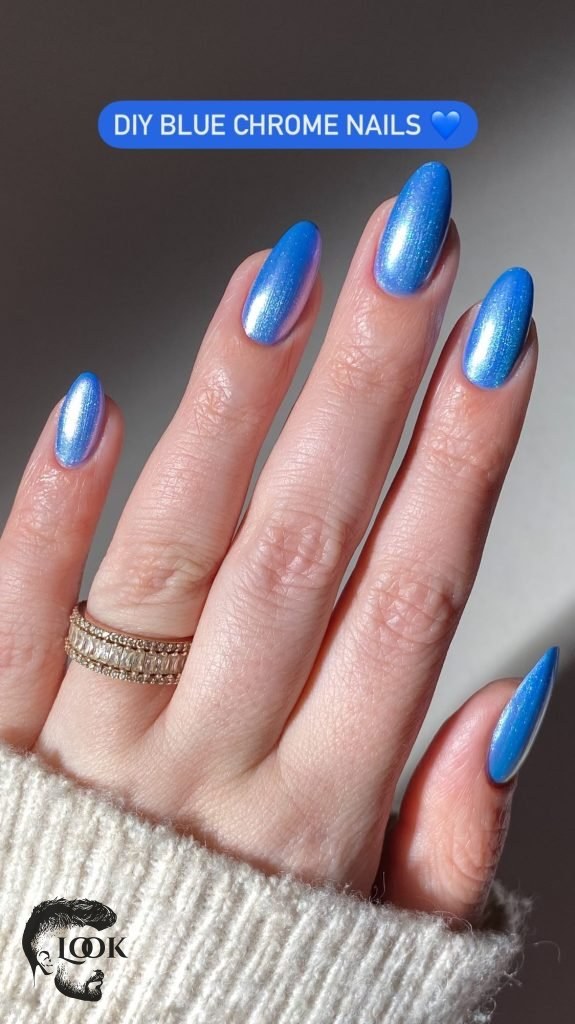
Many individuals enjoy the aesthetic appeal of dip powder nails, but a common concern often arises: can you get contact dermatitis from dip powder? Yes, it is indeed possible to develop contact dermatitis from dip powder, a type of allergic reaction to the chemicals found in the nail products. At Barberia Peluquería Look Madrid, we understand the desire for beautiful nails while prioritizing your health and well-being. This comprehensive guide will explore the causes, symptoms, and preventive measures related to contact dermatitis from dip powder, helping you make informed decisions about your nail care routine.
Dip powder nail systems are popular for their durability and chip-resistant finish, offering an alternative to traditional gel or acrylics. However, the ingredients used to achieve these long-lasting results can sometimes trigger adverse skin reactions in sensitive individuals. Understanding these potential issues is crucial for anyone considering or currently using dip powder nails.
Understanding contact dermatitis from dip powder
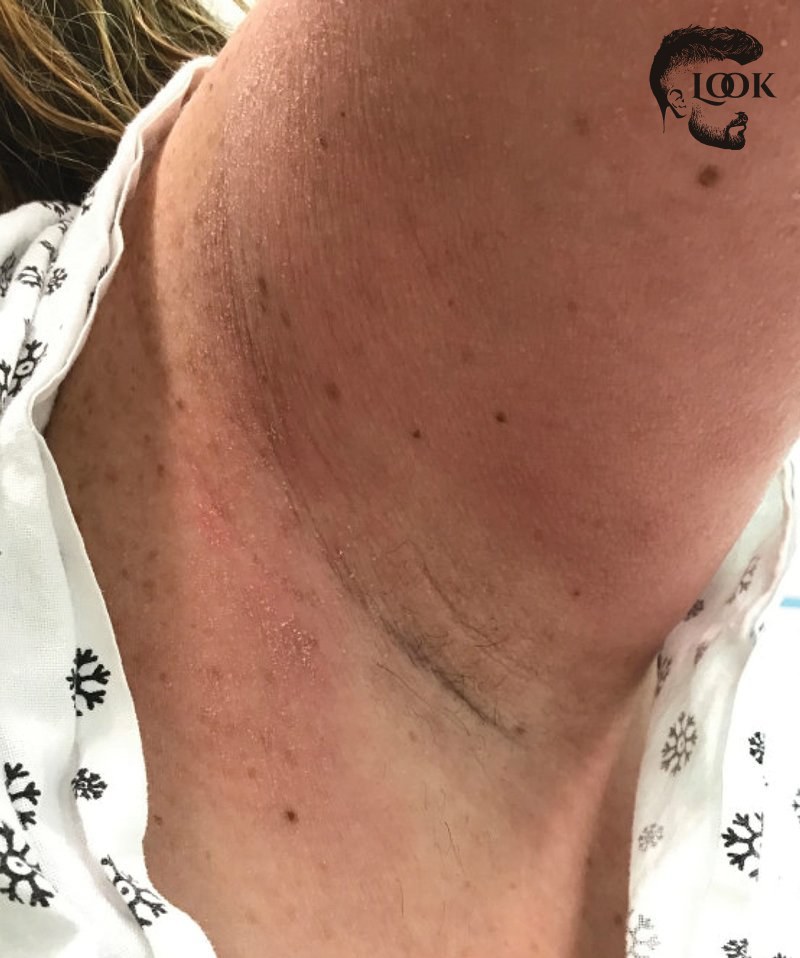
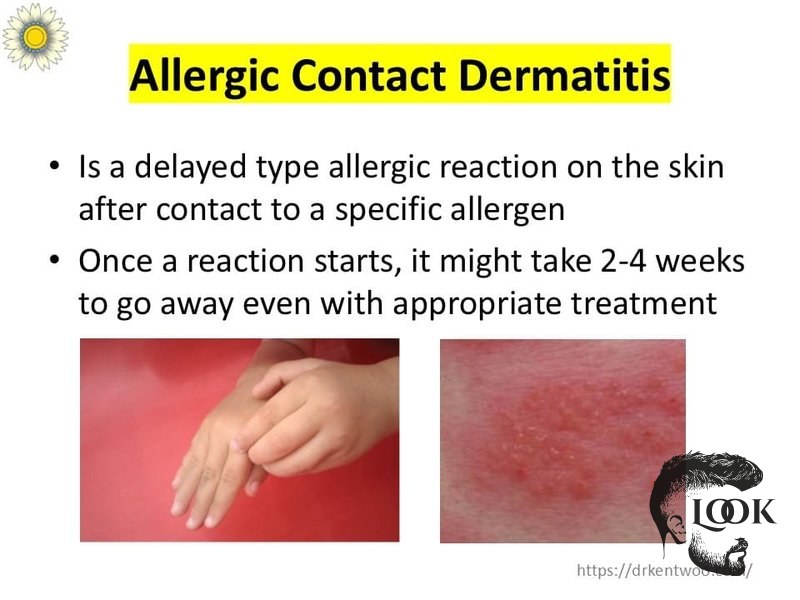
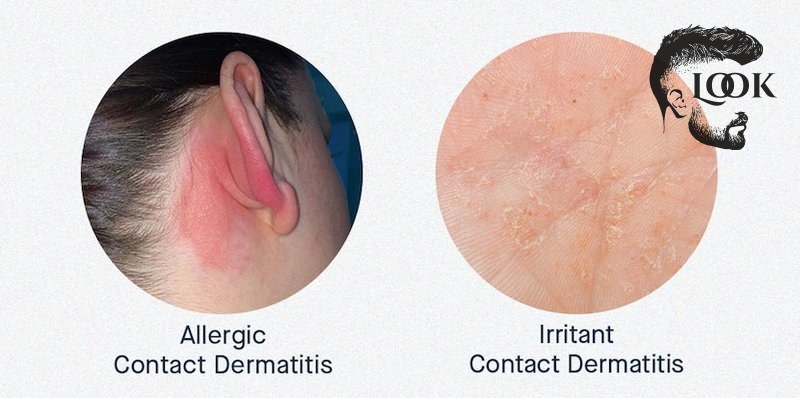
Contact dermatitis is an inflammatory skin condition that occurs when your skin comes into contact with an irritant or an allergen. When it comes to dip powder nails, this reaction is typically categorized as allergic contact dermatitis. This means your immune system overreacts to a substance that it perceives as harmful, even if it’s harmless to most other people. The primary culprits in dip powder systems are often acrylates and methacrylates, particularly chemicals like ethyl cyanoacrylate and polymethyl methacrylate, which are key components of the adhesive and powder.
These chemicals, while essential for the product’s adhesion and longevity, are known sensitizers. Repeated exposure can lead to the development of an allergy over time. It’s not uncommon for individuals to use dip powder products for months or even years without issue, only to suddenly develop symptoms of contact dermatitis. This delayed reaction is characteristic of allergic contact dermatitis, where the body gradually builds up a sensitivity to a particular substance. Recognizing the signs early can prevent more severe reactions and discomfort.
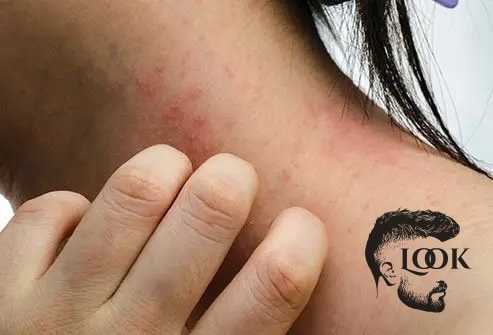
Identifying common symptoms of contact dermatitis
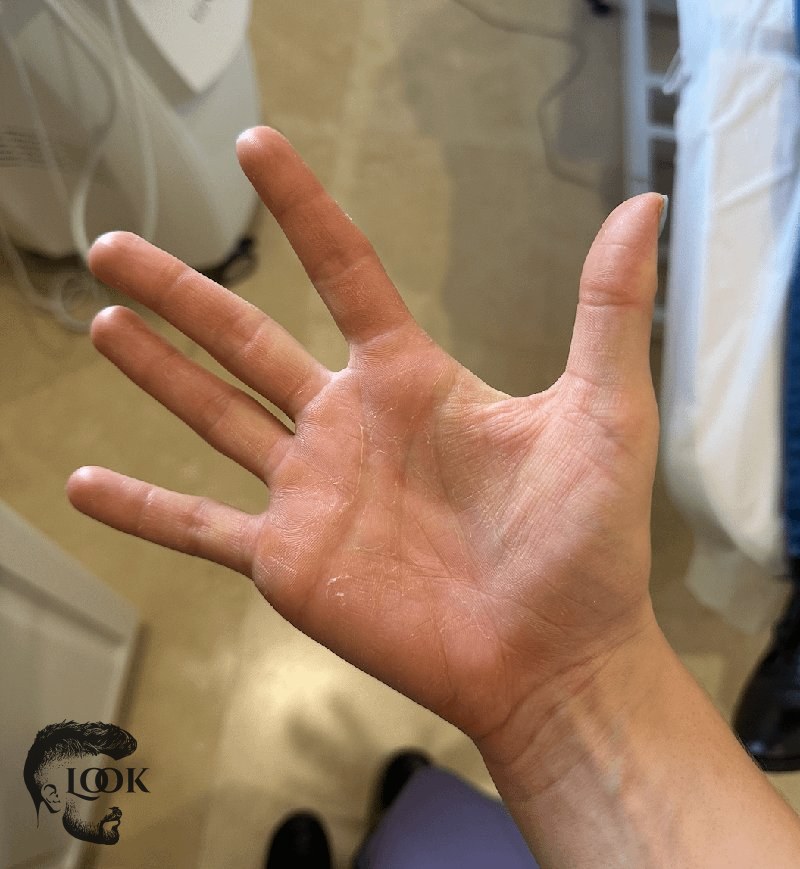
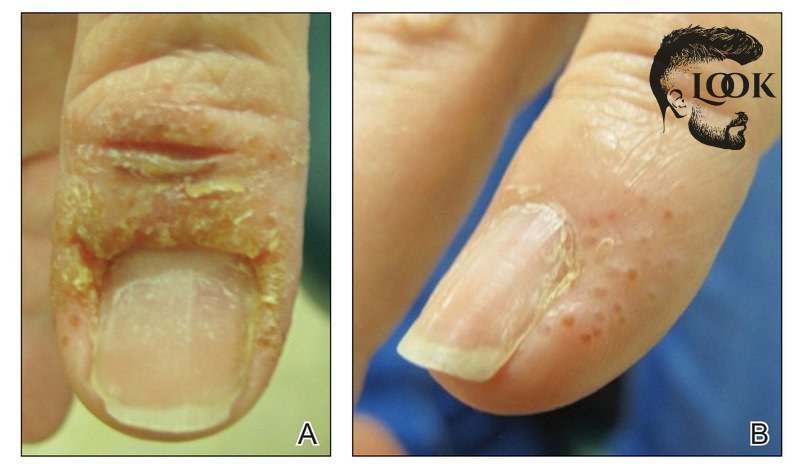
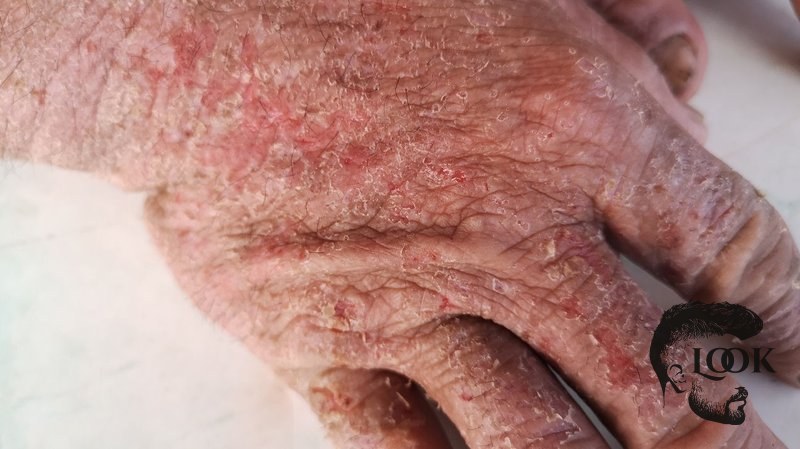
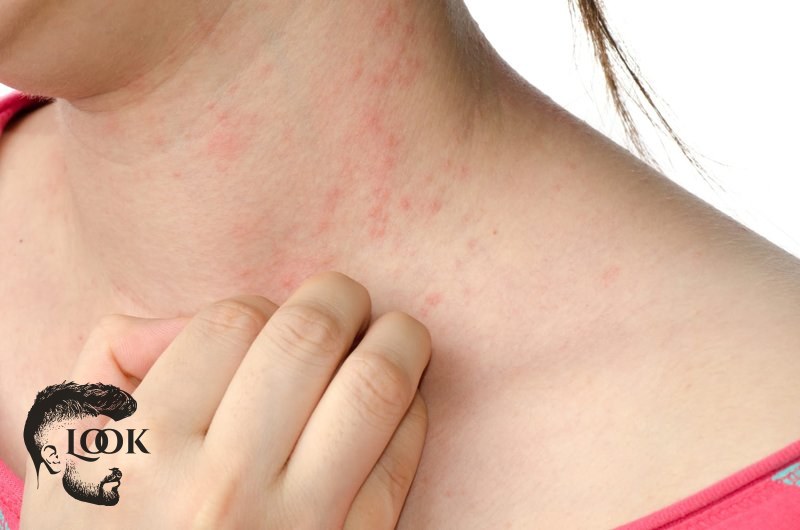
The symptoms of contact dermatitis from dip powder can vary in severity, but they typically manifest on the skin around the nails, fingertips, and sometimes even on the face or eyelids if you touch these areas after handling the product. Common signs include redness, itching, swelling, and a burning sensation. In more severe cases, you might experience blistering, oozing, or cracking of the skin. Some people develop an allergic reaction to the dip nail products, and these adhesives, which are used to hold the powders in place, are often the main culprit.
It’s important to distinguish these symptoms from other nail-related issues, as some might be mistaken for a simple irritation or infection. However, the persistent itching and localized inflammation are strong indicators of contact dermatitis. Some individuals also report a “dip flu,” experiencing congestion or other allergy-like symptoms, although this is less common than direct skin reactions. If you notice any of these symptoms after a dip powder application, it’s crucial to address them promptly to prevent further irritation or infection. Many people report that once they experience contact dermatitis, they may become sensitive to other nail products like gel polish as well.
Understanding the triggers and causative agents
The primary triggers for contact dermatitis from dip powder are the chemical ingredients, particularly acrylates and methacrylates, found in the bond, base coat, activator, and top coat liquids, as well as in the powder itself. These chemicals are highly effective at creating durable nail enhancements but are also well-known allergens. Repeated exposure, especially if the product comes into direct contact with the skin, increases the likelihood of developing a sensitivity.
Factors that can increase your risk include improper application techniques, such as getting the product on the skin around the nail, or inadequate curing (for gel-based dip systems). Even airborne particles during the application or removal process can sometimes trigger respiratory or skin reactions in highly sensitive individuals. It’s worth noting that some people develop an allergy to one specific acrylate and then become cross-reactive to other similar chemicals found in various nail products, making it challenging to find alternatives.
Preventing and managing dip powder related dermatitis
Preventing contact dermatitis from dip powder involves a combination of careful product selection, proper application techniques, and personal protective measures. If you have a known sensitivity or are prone to allergic reactions, it’s always best to consult with a dermatologist before trying new nail products. For those who wish to continue with dip powder nails, being meticulous about avoiding skin contact and choosing hypoallergenic options can significantly reduce the risk. Barberia Peluquería Look Madrid emphasizes the importance of safety and proper application for all our clients.
Once contact dermatitis develops, effective management is key to alleviating symptoms and preventing recurrence. This often involves identifying and avoiding the offending allergen, along with topical treatments to soothe the skin. Understanding both prevention and management strategies will empower you to maintain healthy skin while still enjoying beautiful nails. Remember, your nail technician plays a crucial role in minimizing exposure during the application process.
Tips for prevention and minimizing exposure
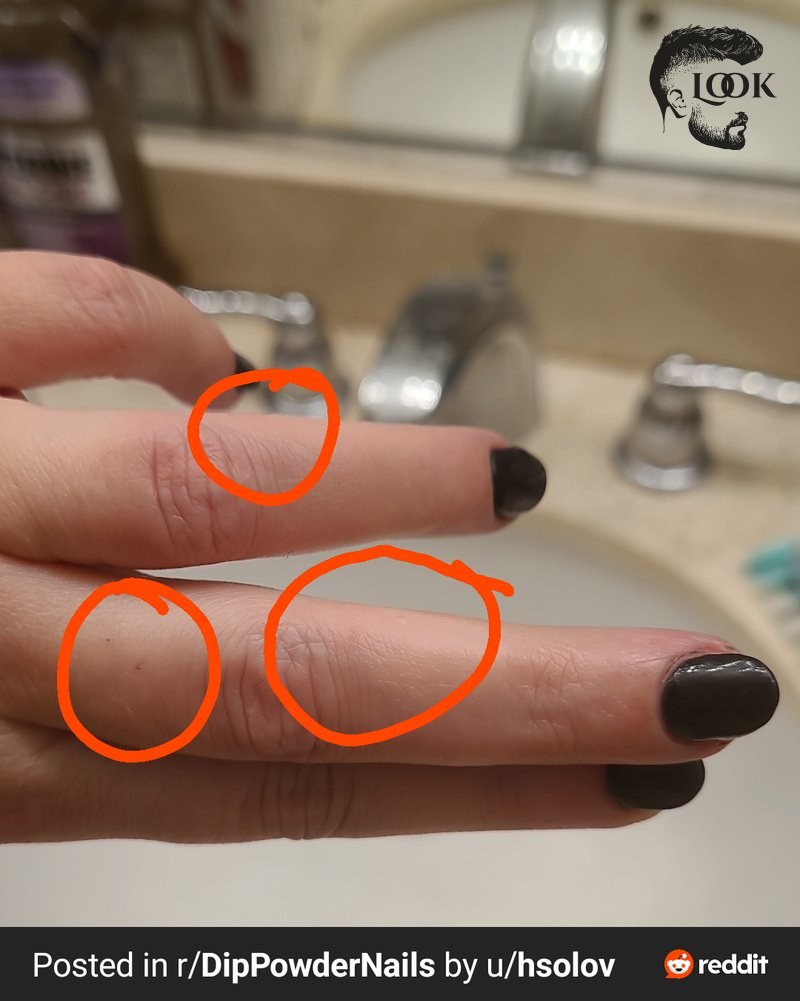
To minimize your risk of developing contact dermatitis from dip powder, several proactive steps can be taken. First and foremost, ensure that the nail technician applies the product precisely, avoiding any contact with your skin or cuticles. Overfilling or flooding the cuticle area is a common cause of skin exposure. You should also consider using brands that specifically market themselves as “HEMA-free” or “acrylate-free,” as these chemicals are major allergens in many nail products.
When applying or removing dip powder at home, always wear protective gloves to prevent direct skin contact. Ensure adequate ventilation in your workspace to reduce exposure to airborne particles. If you suspect you have an allergy, performing a patch test on a small, inconspicuous area of skin (like behind your ear or on your inner arm) before a full application can help identify a reaction. Regular moisturizing of your hands and cuticles can also help maintain a healthy skin barrier, making it less susceptible to irritation.
Treatment options for contact dermatitis
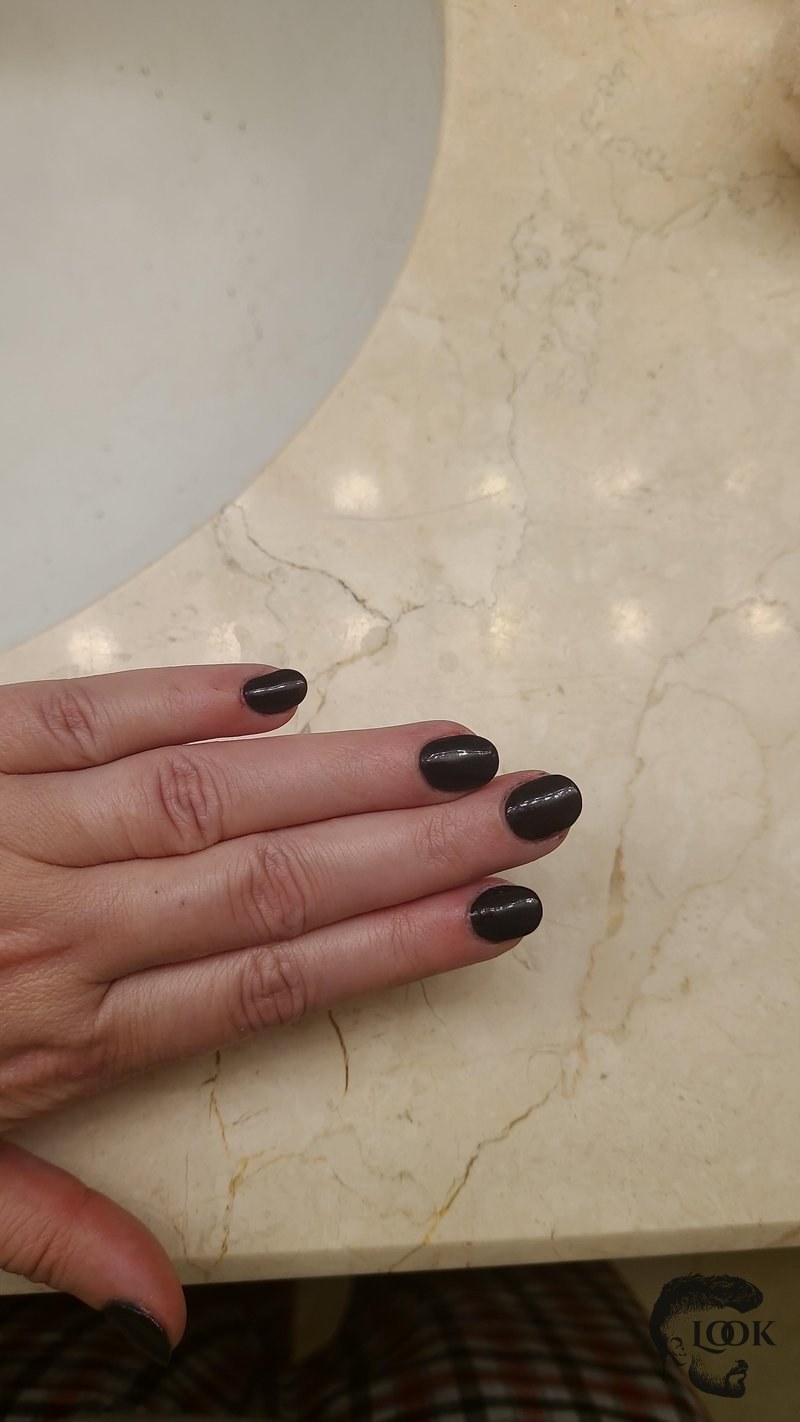
If you do develop contact dermatitis from dip powder, the first and most crucial step is to stop using the offending product immediately. The longer you continue exposure, the worse the reaction can become. For mild symptoms, over-the-counter hydrocortisone creams can help reduce inflammation and itching. Antihistamines may also be beneficial for alleviating severe itching, especially at night.
In cases of more severe reactions, such as blistering, oozing, or persistent discomfort, it is essential to consult a doctor or dermatologist. They may prescribe stronger topical corticosteroids, oral steroids, or antibiotics if a secondary infection has developed. Patch testing can also be performed by a dermatologist to identify the specific allergen, which can help you avoid it in future products. Always follow your healthcare provider’s advice for treatment and follow-up.
Comparing dip powder with other nail systems
When considering different nail enhancement options, it’s helpful to understand how dip powder stacks up against other popular choices, especially in terms of potential for contact dermatitis. Each system has its unique chemical composition, application process, and resulting finish, which can all influence the likelihood of an allergic reaction. At Barberia Peluquería Look Madrid, we believe in educating our clients about the various options available so they can make the best choice for their nail health and lifestyle.
Understanding the differences can help you identify alternatives if you’ve developed a sensitivity to dip powder. While all nail products carry some risk of allergic reaction, certain ingredients are more commonly associated with contact dermatitis. This comparison aims to provide a clearer picture of what to expect from each system and guide you toward safer choices.
Dip powder vs. gel nails vs. acrylic nails
Here’s a comparison of dip powder, gel nails, and acrylic nails, focusing on their components and potential for causing contact dermatitis:
| Feature | Dip Powder Nails | Gel Nails | Acrylic Nails |
|---|---|---|---|
| Key Ingredients | Cyanoacrylates (adhesives), acrylic polymers (PMMA) | Acrylates, methacrylates (e.g., HEMA, HPMA); UV/LED sensitive | Liquid monomer (EMA, HEMA), powdered polymer (PMMA) |
| Application Process | Base coat, dip in powder, activator, top coat; no UV light needed (usually) | Base coat, color coat, top coat; each layer cured under UV/LED light | Liquid monomer mixed with powder polymer on nail; air dries |
| Risk of Contact Dermatitis | Moderate to high, primarily due to cyanoacrylates and acrylates | Moderate to high, especially from HEMA and under-curing | Moderate to high, known allergens like EMA and HEMA in monomer |
| Common Symptoms | Itching, redness, swelling around nails; sometimes “dip flu” | Itching, redness, peeling skin, blisters; can affect eyelids/face | Similar to gel, often more severe due to stronger chemicals |
| Durability | Very durable, chip-resistant | Durable, flexible, glossy finish | Extremely durable, very hard finish |
As the table illustrates, all three popular nail systems carry a risk of contact dermatitis due to their chemical compositions. Dip powder also causes more cases of contact dermatitis than any other nail product. The main difference often lies in the specific allergens. Gel nails, particularly those containing HEMA (hydroxyethyl methacrylate), are frequent culprits, especially if not fully cured. Acrylic nails, with their strong monomers, also pose a significant risk. If you have reacted to one system, you might react to others, emphasizing the need for patch testing or seeking HEMA-free alternatives.
Choosing hypoallergenic and safer alternatives
For those who have experienced contact dermatitis from dip powder or other nail enhancements, choosing hypoallergenic and safer alternatives is crucial. One primary recommendation is to look for products specifically labeled “HEMA-free” or “acrylate-free,” as these are the most common sensitizers. While no nail product is entirely free of potential allergens, these formulations significantly reduce the risk. Always check the ingredient list carefully before purchasing or applying any new nail product.
Another option is to consider traditional nail polish, which generally contains fewer potent allergens compared to dip powders, gels, or acrylics. While less durable, it allows your nails and surrounding skin to breathe and recover. For those who prefer a longer-lasting finish, seeking out professional salons that prioritize client health and use high-quality, reputable brands known for their hypoallergenic options can also make a difference. Always communicate any past reactions to your nail technician to ensure they take extra precautions.
Frequently asked questions about dip powder and contact dermatitis
What are the first signs of dip powder allergy?
The first signs of a dip powder allergy often include itching, redness, and slight swelling around the nail beds and cuticles. You might also notice a burning sensation or mild discomfort, usually appearing within 24-48 hours after application.
Can contact dermatitis from dip powder go away on its own?
Contact dermatitis symptoms can lessen if exposure to the allergen stops. However, without proper treatment and complete avoidance of the offending product, the condition may persist, worsen, or recur with subsequent exposure.
Is “dip flu” a form of contact dermatitis?
“Dip flu” refers to respiratory symptoms like congestion, coughing, or headaches some people experience after dip powder application. While related to chemical exposure, it’s generally not considered contact dermatitis, which is a skin-specific reaction.
Are there hypoallergenic dip powder options available?
Yes, some brands offer “HEMA-free” or “acrylate-free” dip powder systems, which are designed to reduce the likelihood of allergic reactions. These are generally considered safer options for individuals prone to contact dermatitis.
How long does contact dermatitis from dip powder last?
The duration of contact dermatitis symptoms varies. If exposure to the dip powder is immediately stopped and treated, mild cases may clear within a few days to a week. More severe reactions might take several weeks to fully resolve.
In conclusion, understanding if you can get contact dermatitis from dip powder is vital for maintaining your nail health. We’ve explored the common symptoms, identified the chemical triggers like acrylates and methacrylates, and provided actionable advice on prevention and treatment. From choosing hypoallergenic alternatives to ensuring proper application, taking proactive steps can help you avoid uncomfortable allergic reactions. For those who experience symptoms, stopping product use and seeking professional medical advice is always the best course of action.
At Barberia Peluquería Look Madrid, we are dedicated to offering safe and high-quality beauty services. We hope this guide has empowered you with the knowledge to make informed decisions about your nail care. If you have any further questions or concerns about contact dermatitis from dip powder or wish to explore our nail services, feel free to visit us or contact our experienced team for personalized advice.