Choosing the right nail enhancement can be a delightful dilemma, especially when faced with popular options like dip powder vs builder gel. Dip powder is known for its strength and chip-resistant qualities, offering a durable finish without UV light, while builder gel provides a flexible yet strong layer, ideal for extensions and natural nail strengthening, requiring UV/LED curing. At Barberia Peluquería Look Madrid, we understand that each client has unique preferences and nail needs. This comprehensive guide aims to clarify the distinctions between these two popular nail techniques, helping you make an informed decision for your next manicure.
Understanding Dip Powder Nails
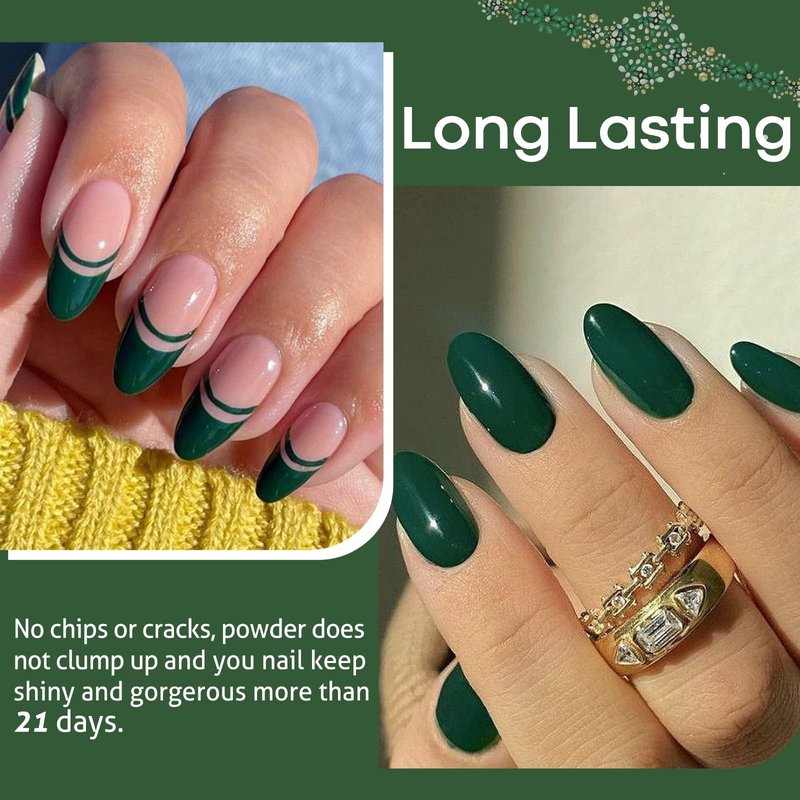
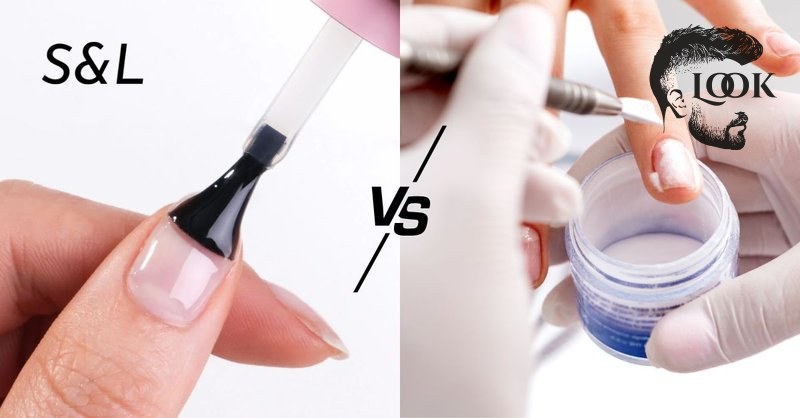
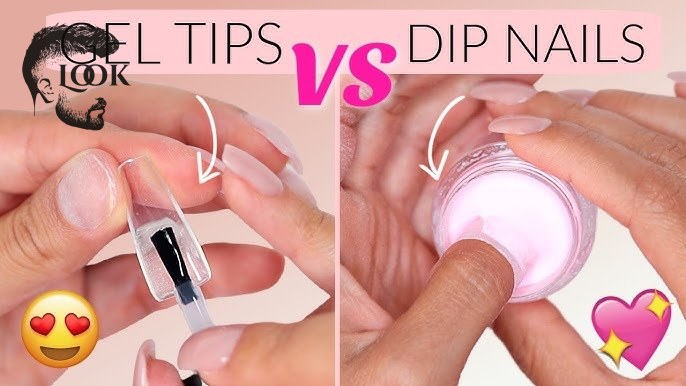
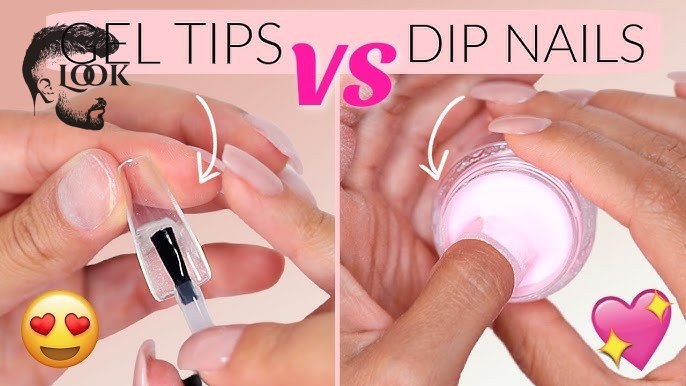
Dip powder nails have gained immense popularity for their robust nature and simplified application process. This technique involves applying a base coat to the nail, then dipping the nail into a finely milled acrylic powder. This process is repeated several times to build up strength and color, followed by an activator and a top coat for a glossy, durable finish. One of the primary advantages of dip powder is that it does not require UV or LED light for curing, eliminating concerns about UV exposure during application.
The strength of dip powder comes from the acrylic powder itself, which creates a protective layer that is often described as stronger than traditional gel polish. This makes it an excellent choice for individuals seeking a long-lasting manicure that can withstand daily wear and tear. When considering dip powder vs builder gel, many clients gravitate towards dip powder for its perceived durability and quick application. It offers a fantastic alternative for those with sensitivities to UV light or a preference for a more rigid nail enhancement.
Application Process for Dip Powder
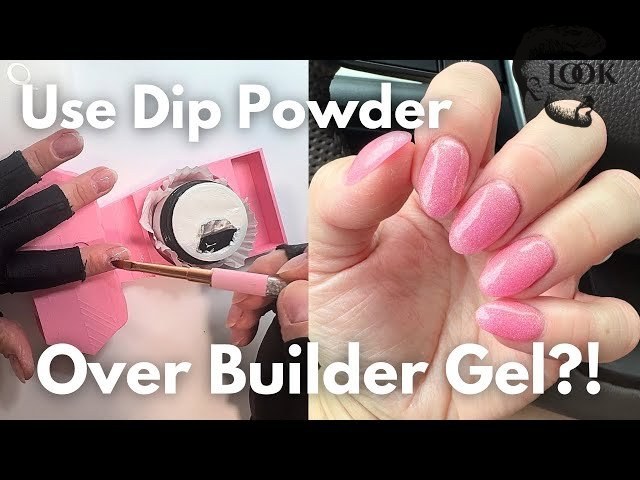
The application of dip powder begins with preparing the nails, including shaping, buffing, and cuticle care. A bond agent is applied, followed by a base coat. The nail is then dipped into the colored powder, and the process is typically repeated two to three times to achieve desired opacity and strength. After dipping, an activator is brushed on, which hardens the powder without the need for a lamp. Finally, a top coat is applied for shine and protection.
This multi-step process ensures a strong, uniform coating that can last for several weeks. The absence of a curing lamp makes the application quicker in some aspects, appealing to clients who are time-conscious. Understanding the application process helps clients appreciate the craftsmanship involved in achieving a flawless dip powder manicure, and how it differs from builder gel nails vs dip powder.
Removal of Dip Powder
Removing dip powder involves soaking the nails in acetone. The nails are typically filed down slightly to break the seal of the top coat, then wrapped in acetone-soaked cotton pads and foil. This allows the acetone to penetrate and dissolve the powder. The process usually takes about 10-20 minutes, after which the softened product can be gently pushed off the nail plate. Proper removal is crucial to prevent damage to the natural nails.
While soaking in acetone is effective, it’s important to have this done professionally to minimize potential nail damage. Harsh scraping or peeling can weaken the nail bed. Our technicians at Barberia Peluquería Look Madrid ensure a gentle and safe removal process, prioritizing the health of your natural nails. This method of removal is a key differentiator when comparing dipping powder vs builder gel.
Exploring Builder Gel Nails
Builder gel, as its name suggests, is designed to build and strengthen the nail. It is a viscous gel product that can be used to create extensions, overlay natural nails for added strength, or even sculpt intricate designs. Unlike dip powder, builder gel requires curing under a UV or LED lamp to harden. The key difference from regular gel polish is its viscosity; builder gel is thicker and more structured, giving it the nail-strengthening and extension capabilities that lighter gel polishes lack.
Many clients find builder gel to be a more flexible option compared to the rigid feel of dip powder or acrylics. This flexibility can make it more comfortable to wear and less prone to cracking. Builder gel is a gentler option for the nails and is often preferred for those looking to grow out their natural nails while maintaining protection. The ability to sculpt and extend nails makes builder gel a versatile choice for a wide range of nail aesthetics, impacting the builder gel nails vs dip powder debate.
Builder Gel Application Process
The application of builder gel typically begins with nail preparation, including cleaning, shaping, and cuticle care. A dehydrator and primer are often applied to ensure proper adhesion. The builder gel is then applied in thin layers, much like regular gel polish, but with more product to create the desired thickness or extension. Each layer is cured under a UV or LED lamp for a specified time, usually 30-60 seconds per layer. After building up the desired structure, the nails are filed and shaped, followed by a top coat and final cure.
This process allows for greater control and customization, making it possible to create various nail shapes and lengths. The curing process ensures the gel is fully hardened, providing a durable and glossy finish. The intricate nature of builder gel application requires skill and precision, which our experienced technicians at Barberia Peluquería Look Madrid excel at, offering an alternative to dipping powder vs builder gel.
Removing Builder Gel
Builder gel is typically removed by filing down the product rather than soaking it off with acetone. While some softer builder gels can be soaked, most require filing to remove the bulk of the product. This process needs to be done carefully to avoid damaging the natural nail underneath. Our skilled technicians use electric files and hand files to safely and efficiently remove builder gel, leaving the natural nail intact and healthy.
Filing off builder gel can be a longer process than soaking off dip powder, but it often results in less exposure to harsh chemicals. It’s essential to have this done by a professional to prevent over-filing or causing trauma to the nail plate. The controlled removal process is one of the key distinctions when comparing dip powder vs builder gel.
Dip Powder vs Builder Gel: Key Differences
When comparing dip powder vs builder gel, several key differences emerge in terms of material, application, durability, feel, and removal. Understanding these distinctions is crucial for selecting the best option for your nail needs and lifestyle.
Dip powder utilizes a cyanoacrylate base (similar to super glue) combined with finely ground acrylic powder, creating a hard, protective layer. Builder gel, on the other hand, is a type of soft gel or hard gel that polymerizes under UV/LED light. This fundamental difference in chemical composition dictates much of their performance and characteristics, making the decision between builder gel nails vs dip powder a personal one.
Material and Composition
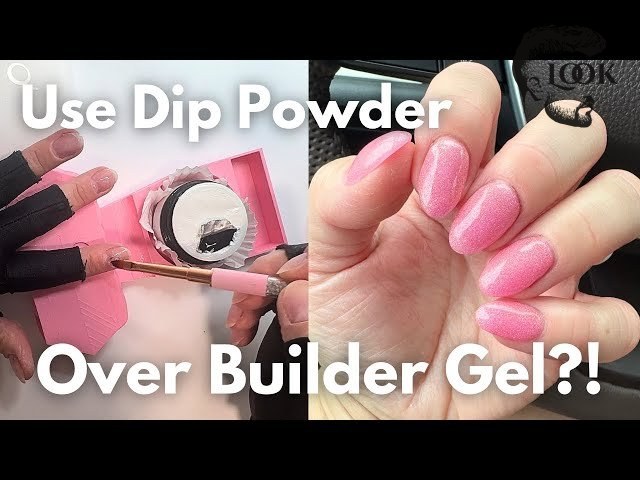
Dip powder systems combine a liquid adhesive with an acrylic powder. This mixture hardens on contact with an activator, forming a strong, durable layer. The strength of dip is often compared to acrylics due to its similar powder component, but the application method is distinct. Builder gel is a different material, typically an oligomer-based resin, which remains pliable until exposed to UV or LED light. This allows for more sculpting time and a different final feel.
The materials greatly influence the final look and feel of the enhancement. Dip powder tends to be quite rigid and offers a very hard surface. Builder gel, while strong, maintains a degree of flexibility that can feel lighter and more natural on the nail. This flexibility can also make it more resistant to chipping and breaking, as it can absorb impact better.
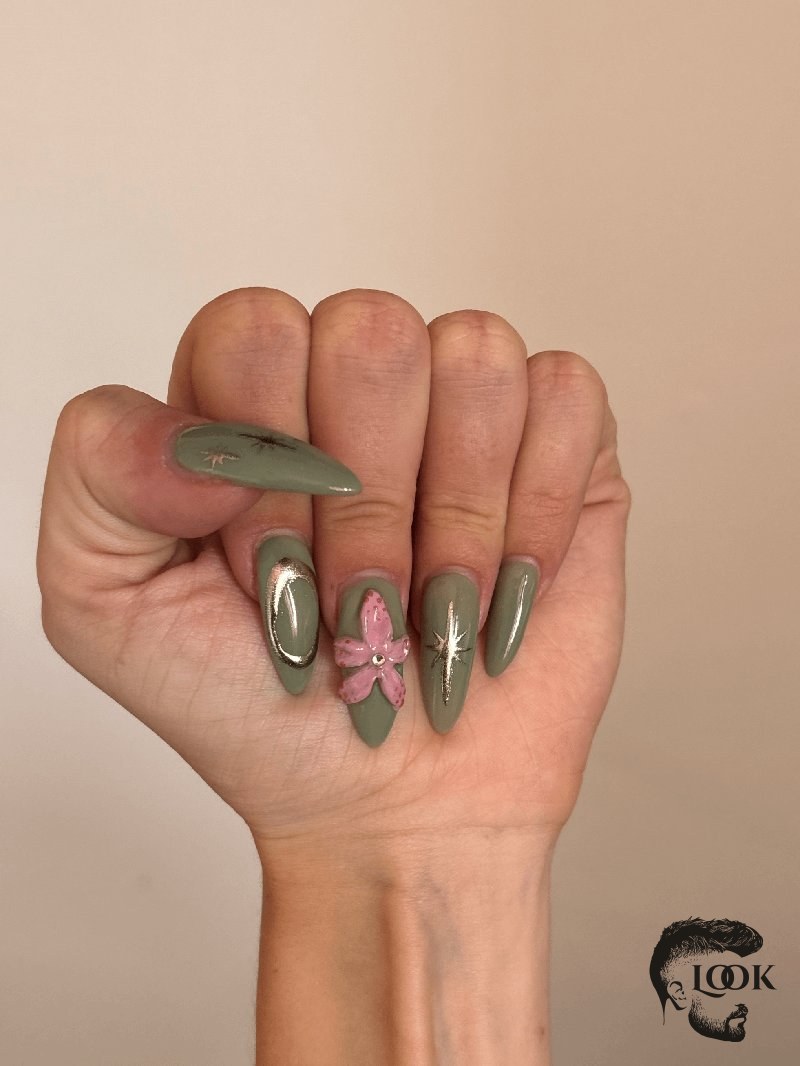
Durability and Longevity
Both dip powder and builder gel offer excellent durability and longevity, typically lasting 3-4 weeks with proper application and care. Dip powder is renowned for its strength and chip resistance, often feeling very hard and protective. Builder gel is also very durable, providing a strong yet flexible layer that can withstand daily activities. While both last about the same, gel often feels lighter and more flexible for the client, reducing the sensation of heavy nails.
The strength of dip powder comes from its acrylic composition, which creates a very hard shell. Builder gel’s strength is derived from its unique polymer structure that hardens under light, offering a protective layer that can be built up for significant reinforcement or extensions. The choice between them often comes down to personal preference regarding feel and flexibility. Consider which option better suits your lifestyle and nail habits when weighing dipping powder vs builder gel.
Feel and Flexibility
One of the most noticeable differences between dip powder and builder gel is how they feel on the nails. Dip powder tends to create a harder, more rigid layer. While this offers exceptional protection, some might find it less flexible. Builder gel, in contrast, offers a more flexible and lighter feel. It moves more naturally with your nails, which can lead to less stress on the natural nail plate and potentially fewer breaks for those with active lifestyles.
The flexibility of builder gel also means it can be more forgiving with accidental bumps, whereas a rigid dip powder might chip or crack under similar impact. This flexibility is a significant factor for many clients seeking a comfortable and durable nail enhancement. The choice here depends on whether you prefer a hard, unyielding shield or a more pliant, natural-feeling layer on your nails. This aspect is vital in the dip powder vs builder gel discussion.
Aesthetics and Finish
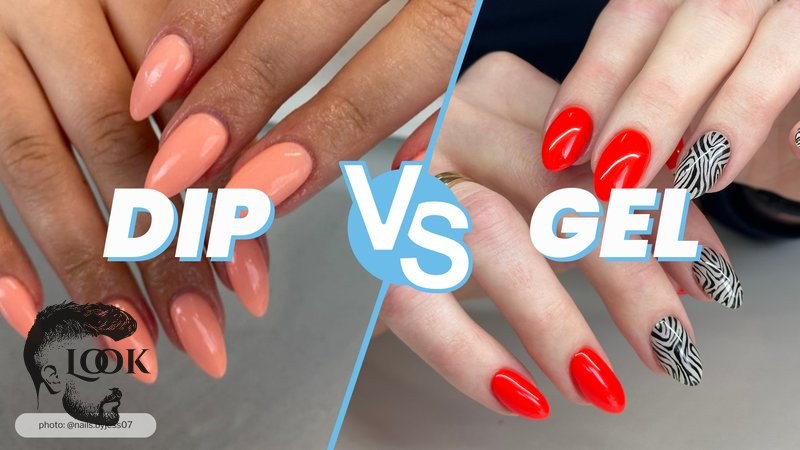
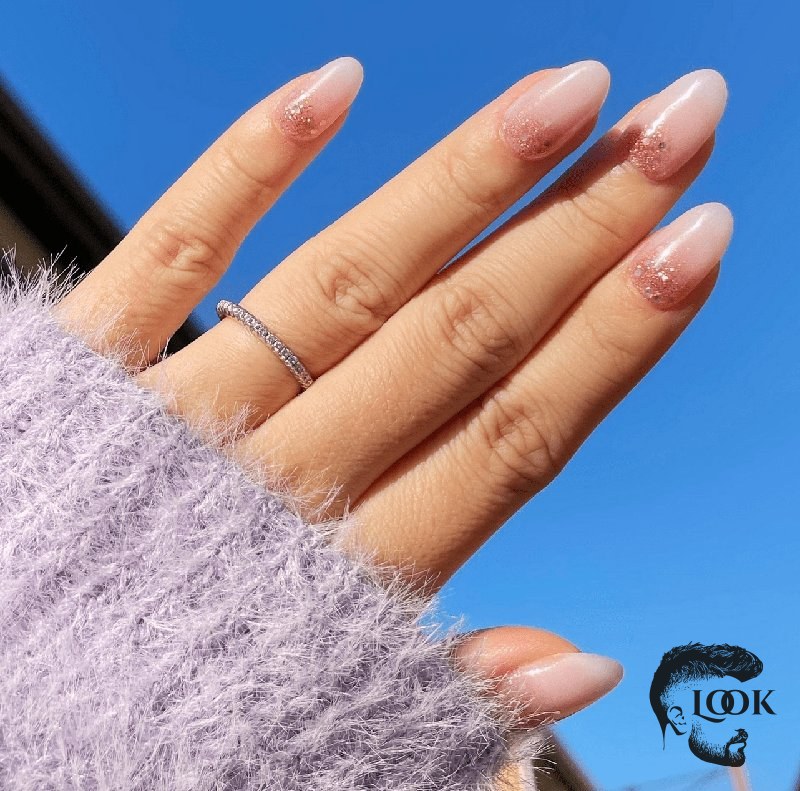
Both dip powder and builder gel can deliver beautiful, glossy finishes, but there are subtle differences in their aesthetic potential. Dip powder typically offers a solid color application, available in a vast array of shades. It provides a strong, opaque finish, and designs can be layered using different colored powders. Builder gel, however, often allows for greater artistic freedom. Its clear and colored formulations can be sculpted into various shapes, used for extensions, or incorporated into intricate nail art. The ability to create clear extensions and embed glitter or other embellishments within the gel layers offers a unique aesthetic advantage.
Builder gel’s versatility in sculpting also means it can be used to create a more natural-looking extension or to correct the shape of the natural nail with precision. While dip powder is excellent for vibrant, uniform colors, builder gel excels in structural artistry and customizable looks. The natural feel and lighter appearance of builder gel can also contribute to a more refined aesthetic, which is often a deciding factor in the builder gel nails vs dip powder debate.
Comparative Table: Dip Powder vs Builder Gel
To provide a clear overview, here’s a comparative table summarizing the key aspects of dip powder and builder gel, helping you quickly discern their differences.
| Feature | Dip Powder | Builder Gel |
|---|---|---|
| Curing Method | Activator liquid (no UV/LED light) | UV or LED lamp required |
| Composition | Cyanoacrylate base + acrylic powder | Oligomer-based resin |
| Feel on Nails | Harder, more rigid, protective | Flexible, lighter, more natural |
| Durability | Excellent, very chip-resistant (3-4 weeks) | Excellent, strong and flexible (3-4 weeks) |
| Application Time | Generally faster, no curing time per layer | Requires curing time per layer, can be sculpted |
| Removal Method | Soaking in acetone | Primarily filing off (some can be soaked) |
| Ideal For | Strong, opaque color, chip-resistant manicure | Nail extensions, strengthening, natural look, complex designs |
| UV Exposure | None | Required during curing |
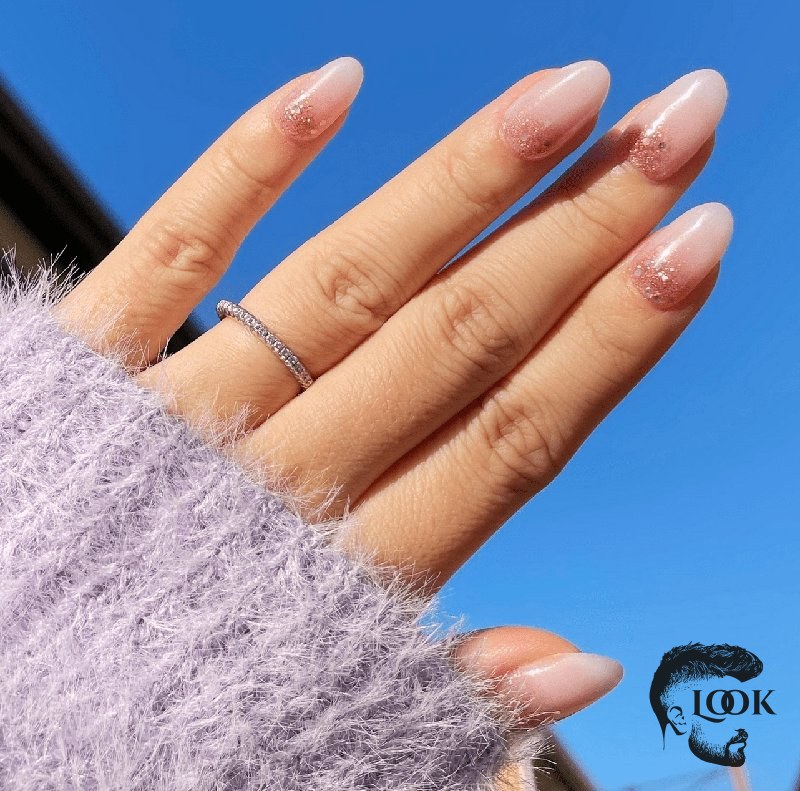
Which Nail Enhancement Is Right For You?
Choosing between dip powder vs builder gel ultimately depends on your individual needs, lifestyle, and aesthetic preferences. Each option offers distinct advantages that cater to different requirements. Consider what you prioritize most in a nail enhancement to make the best decision for your next manicure.
If you’re looking for extreme durability and chip resistance without UV exposure, dip powder might be your ideal choice. If you prefer a more flexible, lighter feel, want nail extensions, or appreciate intricate nail art capabilities, builder gel could be the perfect fit. Our skilled nail technicians at Barberia Peluquería Look Madrid are always here to provide personalized recommendations based on your nail health and desired outcome.
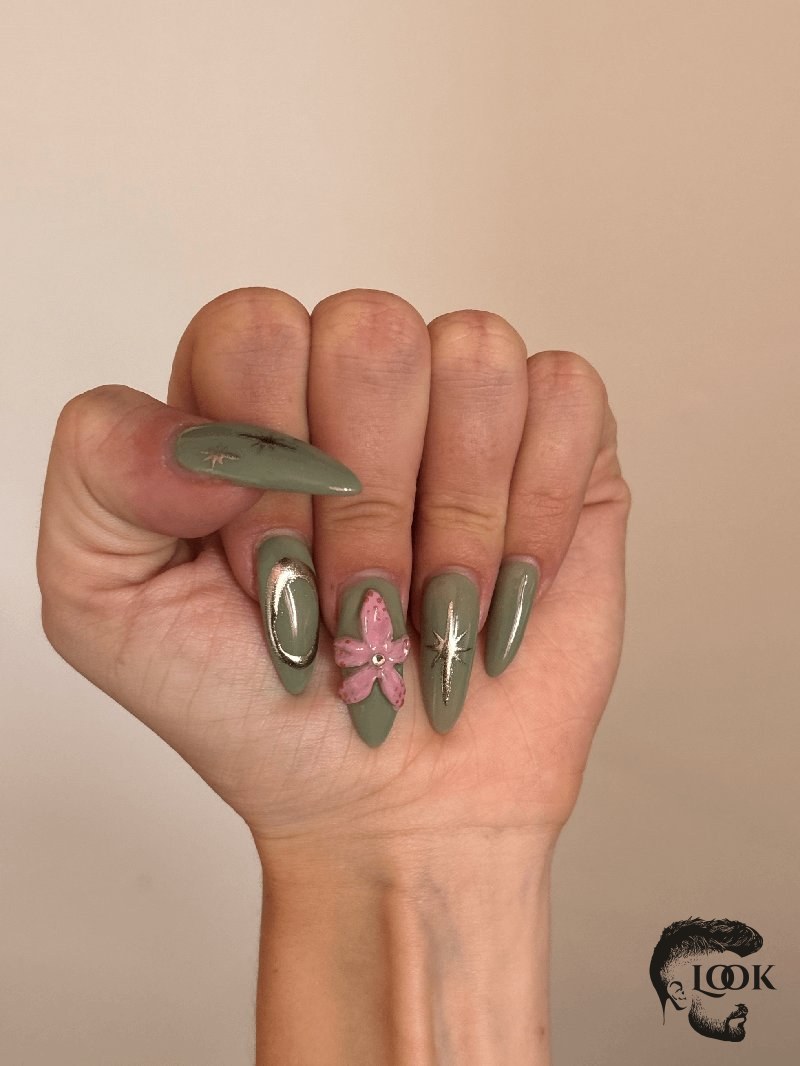
Consider Your Lifestyle and Nail Health
Your daily activities play a significant role in determining the best nail enhancement for you. If you have a highly active lifestyle or work with your hands frequently, the rigidity and strength of dip powder might offer better protection against impact. However, if your natural nails are prone to breaking or you prefer a lighter, more flexible feel that moves with your nails, builder gel could be more comfortable and less prone to cracking.
For those with weak or brittle nails, builder gel is often recommended as it can provide reinforcement while allowing the natural nail to grow underneath. Its flexibility can also reduce stress on fragile nails. Conversely, if your nails are generally healthy and you’re seeking maximum hardness and protection, dip powder excels. It’s crucial to discuss your nail health and daily routine with your nail technician to ensure the best recommendation. Understanding your needs helps clarify the builder gel nails vs dip powder decision.
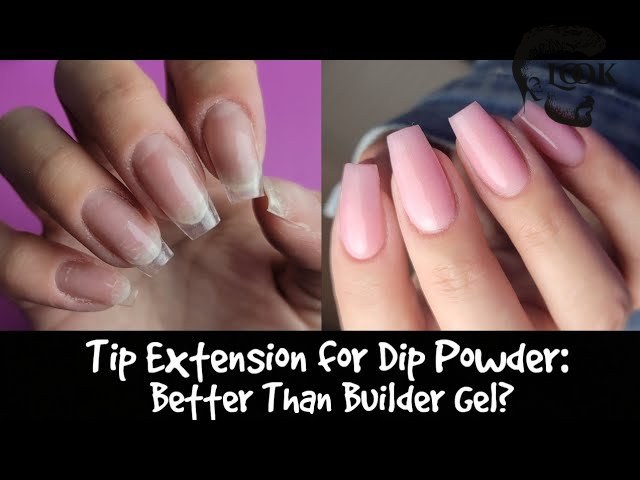
Desired Look and Maintenance
The aesthetic you wish to achieve is another critical factor. Dip powder is excellent for achieving solid, vibrant colors with a consistent, opaque finish. It’s a great choice for those who love a clean, classic look with reliable durability. If you desire nail extensions, want to correct nail shape, or prefer intricate designs and a crystal-clear finish, builder gel offers more versatility in sculpting and artistic expression. It allows for a natural arch and a more refined structure.
Maintenance for both systems involves regular fills every 3-4 weeks to keep the manicure looking fresh and prevent lifting. The removal process also differs, with dip powder requiring acetone soaks and builder gel often requiring careful filing. Consider which removal process you find more appealing and less damaging to your natural nails when making your decision. Both options offer a beautiful and long-lasting manicure, but their unique characteristics cater to different preferences in the dipping powder vs builder gel debate.
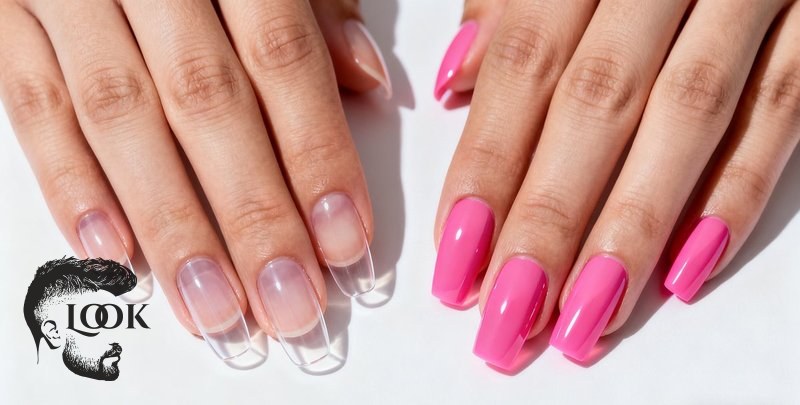
Frequently Asked Questions About Nail Enhancements
Here are some common questions clients ask about dip powder and builder gel to help you further understand these popular options.
Is builder gel better than dip powder for weak nails?
Builder gel is often considered a gentler option for weak or damaged nails. Its flexibility and ability to be sculpted can provide reinforcement and protection, helping natural nails grow underneath without the rigidness that dip powder can sometimes impart.
How long does the application process take for each?
The application time for both dip powder and builder gel can vary depending on the technician’s skill and the complexity of the design. Generally, dip powder application can be slightly faster due to no UV/LED curing for each layer, while builder gel takes longer due to the curing steps and sculpting.
Can I get nail extensions with both dip powder and builder gel?
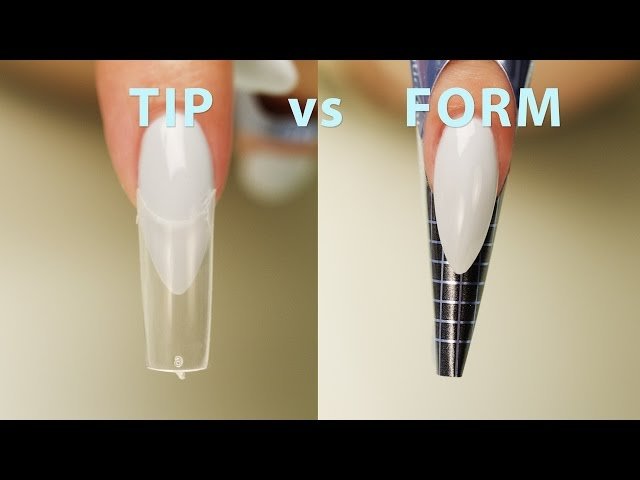
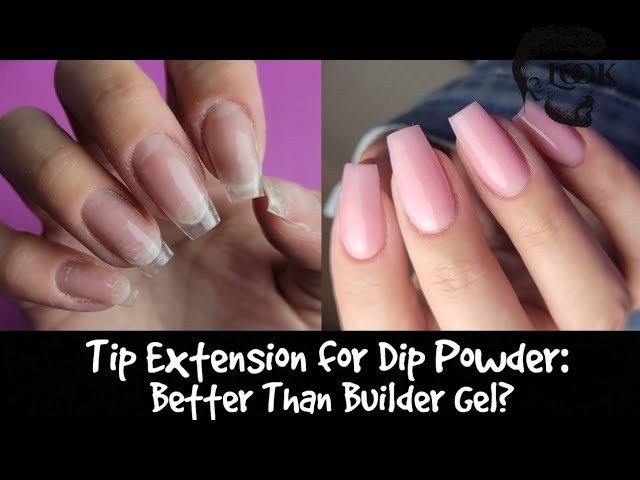
While dip powder can be used with tips for added length, builder gel is specifically designed for creating strong, sculpted nail extensions. Builder gel offers more versatility in building a natural-looking arch and length compared to the more straightforward application of dip powder.
Is builder gel more sanitary than dip powder?
Builder gel is generally considered more sanitary than dip powder because the product is applied with a brush from a pot, reducing direct contact with multiple clients. Dip powder often involves dipping the nail directly into a communal jar of powder, though many salons use individual small pots or pour-over methods to maintain hygiene.
Which option offers more color variety?
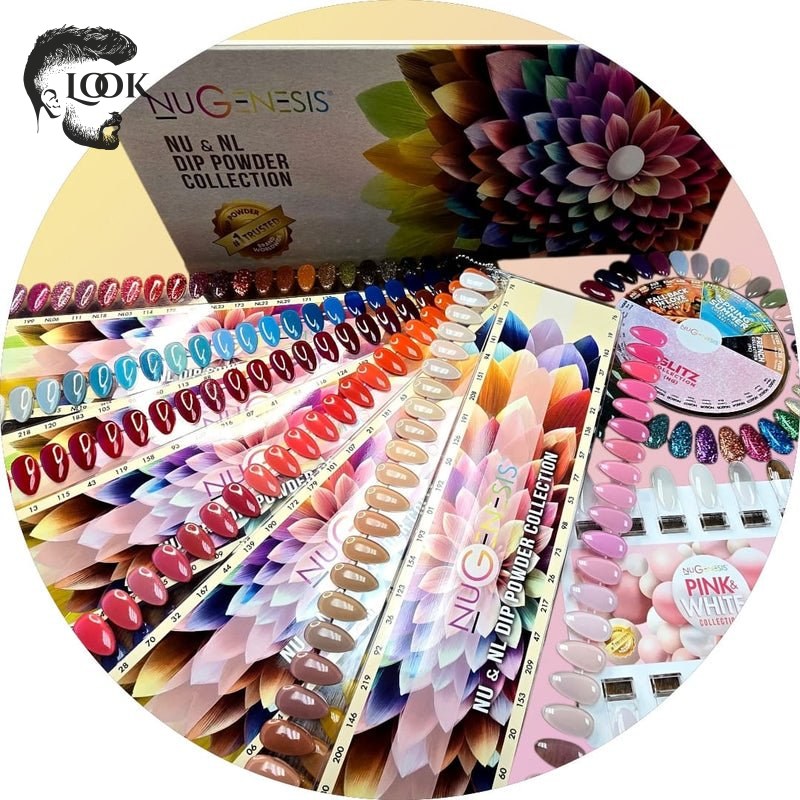
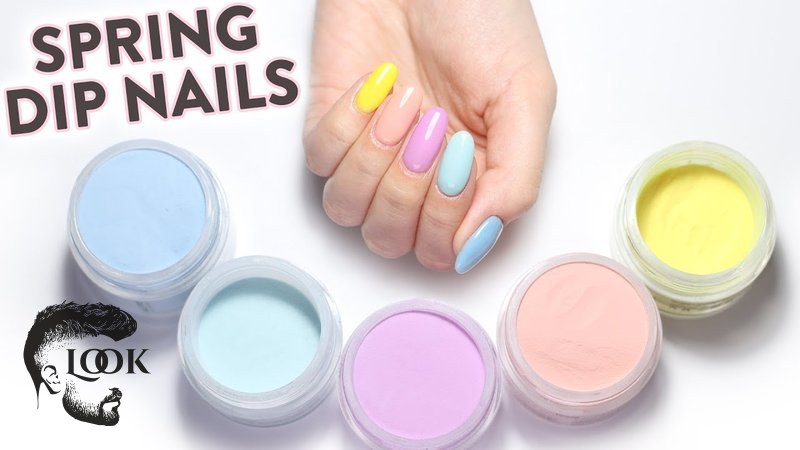
Both dip powder and builder gel come in a wide range of colors. Dip powder typically offers a vast selection of opaque shades. Builder gels also come in various colors, including clear and nude tones, which are highly popular for their natural look and versatility in nail art. The choice depends on specific brand offerings.
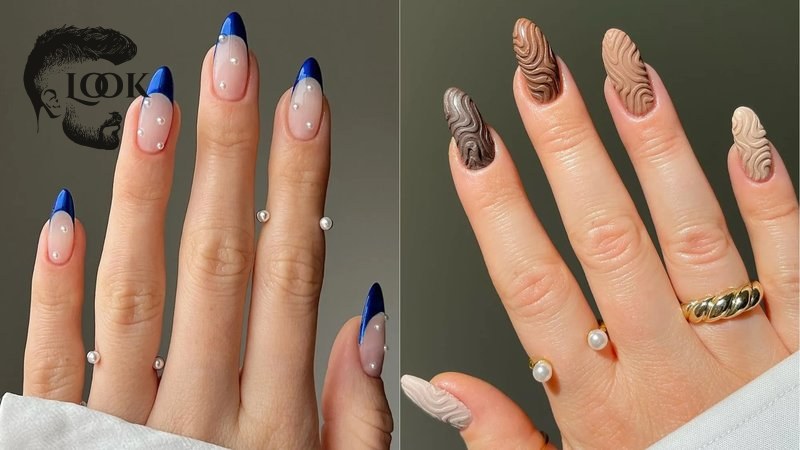
Conclusion: Deciding Between Dip Powder and Builder Gel
Navigating the options between dip powder vs builder gel can seem daunting, but understanding their unique characteristics simplifies the choice. We’ve explored the differences in their composition, application, durability, feel, and removal, highlighting that dip powder offers a robust, chip-resistant finish without UV exposure, ideal for those seeking strength and opacity. Builder gel, on the other hand, provides flexibility, natural nail strengthening, and extensive sculpting possibilities, albeit with the requirement of UV/LED curing. Both methods deliver beautiful and long-lasting manicures, catering to diverse preferences and nail health needs.
Ultimately, the best choice for you hinges on your personal lifestyle, desired aesthetic, and considerations for nail health. Whether you prioritize a rigid, protective shield or a lighter, more pliable enhancement, both options promise stunning results. At Barberia Peluquería Look Madrid, our expert technicians are dedicated to guiding you through these choices, ensuring you leave with a manicure that perfectly complements your style and keeps your nails healthy. Visit us today to discover the ideal nail solution tailored just for you.