Yes, acrylic powder does expire or at least lose its effectiveness over time. While not in the same way perishable food items do, this widely used nail enhancement product can certainly degrade, impacting its performance and the quality of your nail applications. At Barberia Peluquería Look Madrid, we understand the importance of using high-quality products for perfect results, and that includes ensuring your acrylic powder is fresh and potent.
The longevity of acrylic powder is a common concern for both professional nail technicians and at-home users. Understanding how various factors influence its shelf life can save you from frustrating application issues and ensure beautiful, durable nails every time. Let’s delve deeper into what makes acrylic powder expire and how you can identify signs of degradation.
Acrylic Powder Can Lose Its Effectiveness
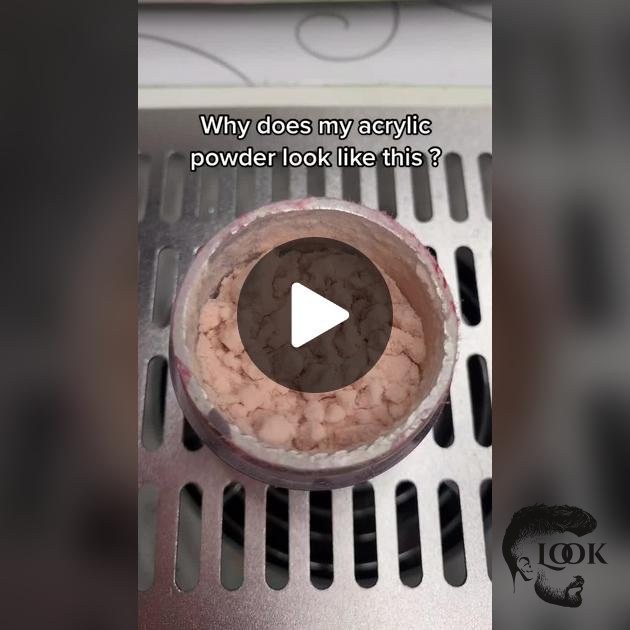
While acrylic powder doesn’t spoil in the traditional sense, it absolutely can lose its effectiveness over time. This degradation isn’t always about visible mold or a foul smell, but rather a subtle decline in its chemical integrity. This impacts its ability to properly polymerize with the liquid monomer, leading to weaker, less durable, and aesthetically compromised nail enhancements. Many nail technicians have experienced the frustration of working with powder that simply doesn’t perform as expected, often attributing it to a bad batch when in reality, the product has simply passed its prime.
The primary reason acrylic powder loses its efficacy stems from its chemical composition. It consists of finely milled polymer beads that react with the monomer to create a strong, sculpted nail. Over time, these beads can be affected by environmental factors, altering their structure and reactivity. This chemical breakdown means that even if the powder looks perfectly fine, it may no longer bond correctly, resulting in nails that chip, lift, or break prematurely. Recognizing that do acrylic powder expire is the first step in ensuring consistent, high-quality nail applications.
Recognizing Signs of Degraded Acrylic Powder
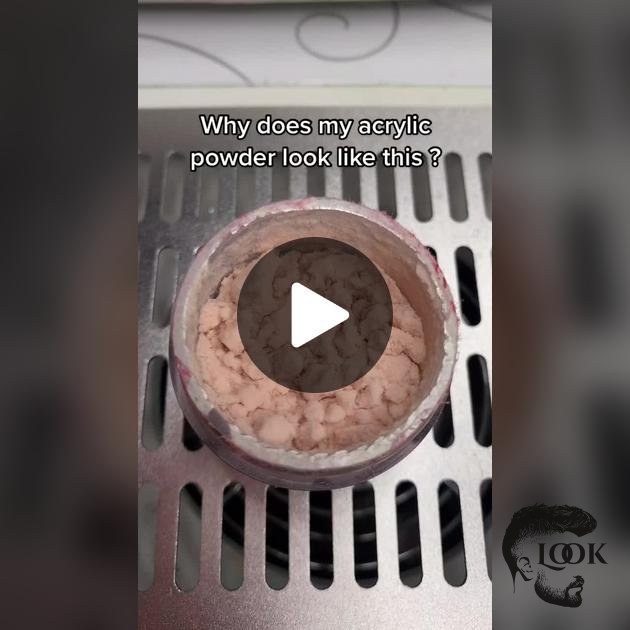
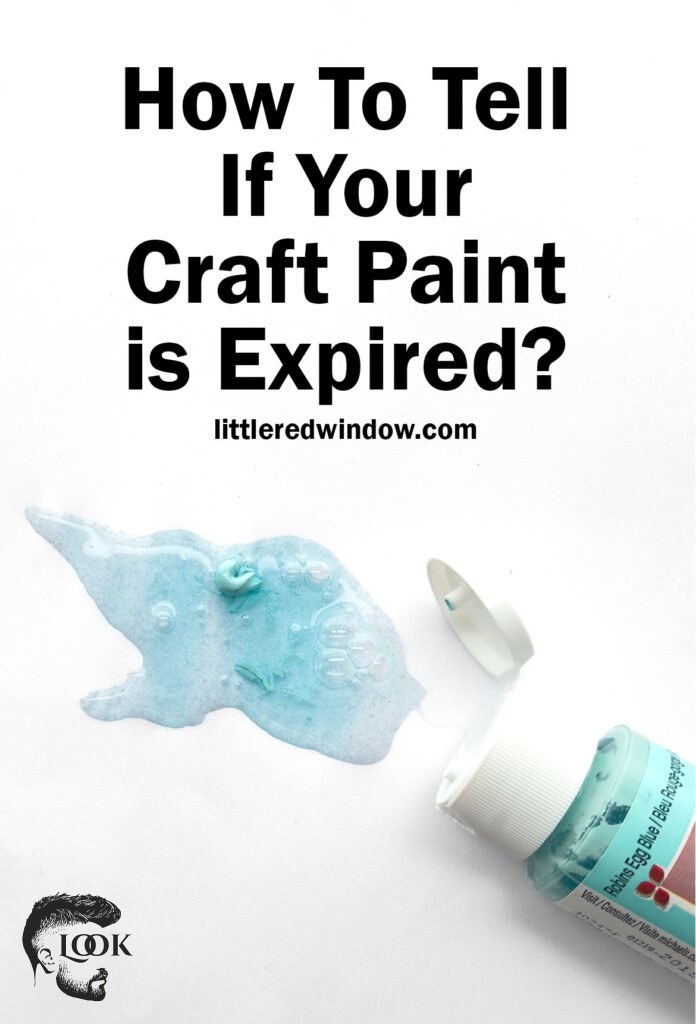
Identifying when your acrylic powder has gone bad is essential to avoid subpar nail applications. Several key indicators can signal that your product is no longer fit for use, even if it hasn’t technically “expired” according to a printed date. One of the most common signs is a noticeable change in the powder’s consistency. Fresh acrylic powder is typically fine, free-flowing, and consistent in texture. If you observe clumps, a grainy feel, or an inability for the powder to pick up smoothly with your brush, it’s likely compromised. This altered texture prevents the formation of a perfect bead, making application difficult and uneven.
Another tell-tale sign is a change in color. While some pigments may naturally fade over a very long time, any significant discoloration or a dulling of vibrant hues can indicate degradation. For clear or white powders, a yellowish tint is a clear red flag. Furthermore, observe the workability. If the powder becomes excessively sticky, won’t cure properly, or creates a brittle product, its chemical structure is no longer optimal. Paying close attention to these subtle changes in your product will help you determine when it’s time to replace it.
Factors That Accelerate Powder Degradation
Several environmental and usage factors can significantly accelerate the degradation of acrylic powder, even if the product itself has a relatively long shelf life. Understanding these elements helps in prolonging the life of your products. Heat is a major culprit; exposure to high temperatures can cause the polymer beads to prematurely activate or alter their chemical bonds, leading to a weaker product. Storing your powder near radiators, in direct sunlight, or in excessively warm rooms can quickly diminish its quality.
Moisture is another significant enemy. Acrylic powder is designed to react with liquid monomer, and exposure to humidity or water vapor in the air can cause it to absorb moisture. This can lead to clumping, changes in consistency, and a compromised reaction when mixed with monomer. Similarly, contamination plays a huge role. Dipping dirty brushes, spatulas, or even fingers into the powder can introduce oils, skin cells, and other impurities that interfere with the powder’s chemical integrity. This is why proper hygiene and using clean tools are paramount, not just for client health but for product longevity.
Proper Storage Extends Acrylic Powder Life
Proper storage is not just a recommendation; it’s a critical practice for extending the usable life of your acrylic powder and ensuring consistent, high-quality results. Many people overlook the simple steps that can make a huge difference in preventing premature degradation. The environment in which your powder is kept directly impacts its chemical stability and reactivity. Think of your acrylic powder as a sensitive ingredient that needs specific conditions to remain effective. Without proper storage, even the best quality powder can quickly become unusable, leading to wasted product and disappointing nail applications.
Investing a little time and effort into understanding and implementing proper storage techniques can save you money in the long run by maximizing the lifespan of your products. It also contributes to the overall efficiency of your nail services, as you won’t be battling with compromised materials. Ensuring your acrylic powder does not expire prematurely means you’re always ready to create flawless nail enhancements, maintaining the reputation for quality that Barberia Peluquería Look Madrid upholds.
Optimal Conditions for Storing Your Powder
To keep your acrylic powder in prime condition, storing it under optimal conditions is key. The ideal environment minimizes exposure to factors that can cause degradation. First and foremost, always store your powder in its original, airtight container. These containers are specifically designed to protect the product from air, moisture, and contamination. Ensure the lid is tightly sealed immediately after each use. Exposure to air, even for short periods, can introduce humidity and airborne particles that compromise the powder’s integrity.
Temperature control is equally vital. Acrylic powder should be stored in a cool, dark place, away from direct sunlight and heat sources like windows, lamps, or heating vents. Excessive heat can alter the chemical composition, leading to premature hardening or changes in consistency. A consistent room temperature, typically between 65-75°F (18-24°C), is ideal. Avoiding extreme temperature fluctuations is also beneficial. Lastly, keep your powder in a dry environment to prevent moisture absorption, which can cause clumping and affect its performance. A cabinet or drawer in a stable room is often the best choice.
The Role of Hygiene in Preserving Powder Quality
Maintaining impeccable hygiene is paramount not only for client safety but also for preserving the quality and extending the life of your acrylic powder. Contamination is one of the fastest ways to degrade the product, making it less effective and potentially unusable. Every time a brush or tool comes into contact with the powder, there’s a risk of introducing foreign substances that can interfere with its chemical integrity. This is particularly true in busy salon environments where multiple clients are served daily.
Always use clean, sterilized brushes and tools for each application. Residue from previous services, such as oils, dust, or even tiny bits of old acrylic, can transfer into the fresh powder. These contaminants can cause clumping, discoloration, and significantly affect the powder’s polymerization process. It’s also crucial to avoid cross-contamination between different colors or types of powder. Using separate containers and ensuring your workspace is clean and tidy will help maintain the purity of your products, preventing premature degradation and ensuring your do acrylic powder expire problem is minimized.
Shelf Life of Acrylic Powder
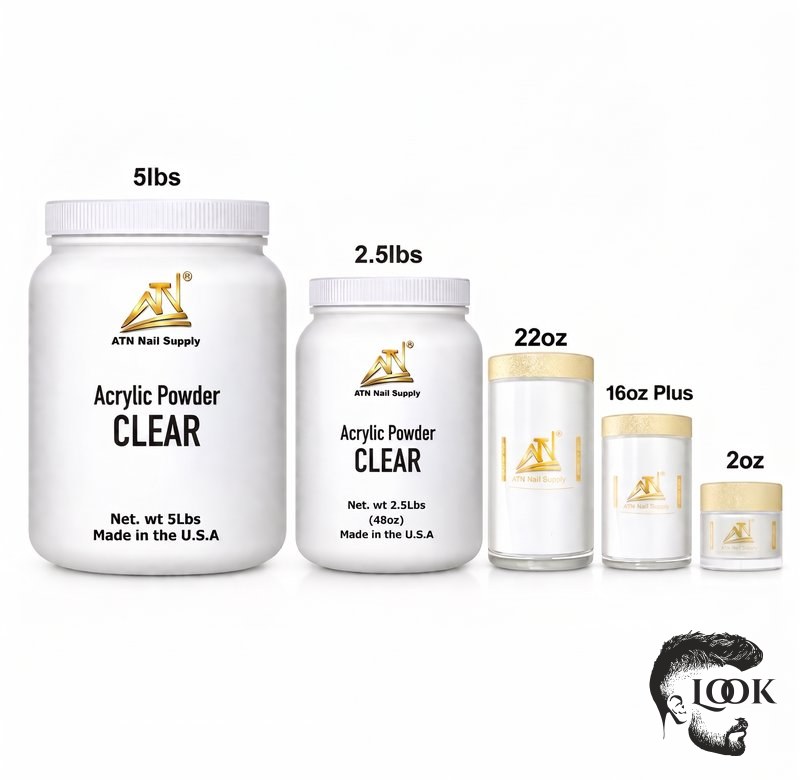
While acrylic powder doesn’t have a strict expiration date like milk or bread, it does have a finite shelf life during which it remains at its optimal performance. This shelf life can vary significantly depending on the manufacturer, the quality of the ingredients, and, most importantly, how it’s stored and handled. Typically, an unopened container of high-quality acrylic powder, stored under ideal conditions, can last for a substantial period, often around two to three years from the manufacturing date. Once opened, however, its shelf life significantly shortens due to exposure to air and potential contamination.
It’s crucial not to confuse “shelf life” with “indefinite life.” Some may argue that since it’s a plastic dust, it lasts forever. However, the finely tuned chemical components that allow it to bond perfectly with monomer are susceptible to environmental changes. Even the most robust formulations can break down over time, affecting the final result of your nail applications. Understanding this distinction helps nail technicians make informed decisions about product rotation and storage, ensuring they always work with fresh, reliable materials.
Industry Guidelines for Product Longevity
Industry guidelines often provide a general framework for the longevity of nail products, including acrylic powder. While specific dates might not be printed on every jar, manufacturers usually suggest a “period after opening” (PAO) symbol, which looks like an open jar with a number followed by ‘M’ (e.g., 12M, 24M). This indicates how many months the product is safe and effective to use after it has been opened. For acrylic powder, this typically ranges from 12 to 24 months. Adhering to these guidelines helps ensure you’re using products at their peak performance.
Beyond the PAO symbol, many industry experts recommend a general shelf life of approximately 1-2 years for opened acrylic powders, even if not explicitly stated by the manufacturer. This recommendation takes into account the cumulative effects of minor contaminations, air exposure, and subtle chemical changes that occur over time. Professionals are often advised to label their products with the date of opening to easily track their usage window. This proactive approach helps prevent the use of degraded powder, which can lead to service callbacks and client dissatisfaction.
Consequences of Using Expired Acrylic Powder
Using expired or degraded acrylic powder can lead to a host of undesirable consequences, impacting both the aesthetic appeal and durability of the nail enhancements. The most immediate and noticeable effect is a compromise in the quality of the application. Expired powder often becomes difficult to work with; it may be clumpy, refuse to form a smooth bead with the monomer, or have an inconsistent texture. This makes it challenging to achieve a seamless, even application, resulting in lumpy or uneven nails.
Beyond application difficulties, the structural integrity of the nails suffers significantly. Degraded powder fails to properly polymerize, leading to weaker bonds and a less durable end product. Clients may experience increased chipping, lifting, or breakage much sooner than expected, leading to dissatisfaction and the need for frequent repairs. In some cases, the color of the acrylic may also appear dull or discolored, particularly if pigments have faded or oxidized. Ultimately, using compromised powder not only wastes product but can damage your reputation for delivering high-quality nail services.
Expert Tips for Maintaining Acrylic Powder Quality
Maintaining the quality of your acrylic powder is a critical aspect of providing exceptional nail services. It’s not just about buying high-end products; it’s about how you care for them throughout their use. At Barberia Peluquería Look Madrid, we believe that understanding and implementing best practices for product maintenance can significantly impact your results and client satisfaction. Poorly maintained powder can lead to frustrating applications, callbacks, and ultimately, a loss of client trust. These expert tips are designed to help you preserve the integrity of your acrylic powder, ensuring it performs flawlessly every time you reach for it.
From storage solutions to daily usage habits, every detail contributes to the longevity and effectiveness of your products. By adopting these guidelines, you can prevent common issues like clumping, discoloration, and poor adhesion, ensuring that your acrylic powder remains a reliable tool in your nail artistry. These practices are simple to implement but yield substantial benefits, making your work easier and your results more consistent. By taking proactive steps, you can confidently tell that your acrylic powder expires later than expected.
Best Practices for Daily Use and Storage
Implementing best practices for daily use and storage is fundamental to preserving the quality of your acrylic powder. After each use, always ensure the lid is securely closed. This simple step prevents air and moisture from entering the container, which are primary causes of degradation. Leaving containers open, even for short periods, can compromise the powder’s chemical stability over time. Furthermore, avoid using the same brush for multiple colors or types of powder without thoroughly cleaning it first. Cross-contamination can alter the chemical composition and performance of the powders.
When working with your powder, only pour out the amount you anticipate using for a single service. This minimizes the exposure of the bulk product to the air and prevents any unused, potentially contaminated powder from being poured back into the main container. If you have leftover powder in your working dish, dispose of it responsibly rather than returning it to the original jar. This habit significantly reduces the risk of introducing impurities. Keep your storage area consistently cool, dry, and away from direct light, reinforcing optimal conditions for product longevity.
When to Replace Your Acrylic Powder
Knowing when to replace your acrylic powder is as crucial as proper storage. Even with the best care, products have a finite lifespan, and using them beyond their prime can lead to disappointing results. The first indicator is often performance-related: if the powder becomes unusually difficult to work with, such as not forming a smooth bead, feeling too sticky, or curing too slowly/quickly, it’s a strong sign it needs to be replaced. These issues suggest a chemical breakdown that impacts its ability to properly polymerize with the monomer.
Visual cues also play a vital role. Look for any changes in color – a yellowish tint in clear or white powders is a common sign of oxidation. If the powder develops clumps, appears grainy, or no longer has its fine, consistent texture, it’s time to discard it. While rare, any unusual odor should also prompt replacement. Trust your instincts and your experience; if a product doesn’t feel right or deliver the expected results, it’s safer and more professional to replace it. A good rule of thumb is to replace opened powders every 1-2 years, regardless of how much is left.
Frequently Asked Questions About Acrylic Powder Longevity
How long does acrylic powder usually last when unopened?
An unopened container of acrylic powder typically lasts for about 2 to 3 years from its manufacturing date if stored correctly in a cool, dark, and dry place. The airtight seal helps maintain its chemical integrity, preventing premature degradation.
Can humidity affect the shelf life of acrylic powder?
Yes, humidity significantly affects acrylic powder’s shelf life. Moisture in the air can cause the powder to absorb water, leading to clumping, changes in consistency, and affecting its ability to properly polymerize with the liquid monomer.
What happens if I use expired acrylic powder?
Using expired acrylic powder can lead to several problems, including difficult application (clumping, poor bead formation), weaker nail enhancements that are prone to chipping and lifting, and potential discoloration or dullness of the finished nails.
Is there a difference in shelf life between clear and colored acrylic powders?
Generally, the base polymer in clear and colored acrylic powders has a similar shelf life. However, colored powders might show signs of degradation, like pigment fading or color changes, more visibly over time or with sun exposure compared to clear powders.
How can I extend the life of my acrylic powder?
To extend its life, always store acrylic powder in its original, airtight container in a cool, dark, and dry place. Avoid direct sunlight and humidity. Use clean tools, and avoid returning unused powder to the main jar to prevent contamination.
Conclusion
In conclusion, while acrylic powder may not “expire” in the perishable sense, it certainly loses its effectiveness and quality over time. Understanding that does acrylic powder expire is crucial for any nail technician or enthusiast aiming for perfect, durable results. Environmental factors like heat, humidity, and improper storage significantly accelerate its degradation, leading to frustrating applications and compromised nail enhancements. By recognizing the signs of degradation and implementing proper storage and hygiene practices, you can maximize the lifespan and performance of your products.
At Barberia Peluquería Look Madrid, we emphasize the importance of using fresh, high-quality products to ensure client satisfaction and stunning outcomes. Adhering to manufacturer guidelines and adopting best practices for product care will not only save you money by preventing wasted product but will also elevate the quality of your nail services. For expert advice and exceptional nail care, visit Barberia Peluquería Look Madrid today.