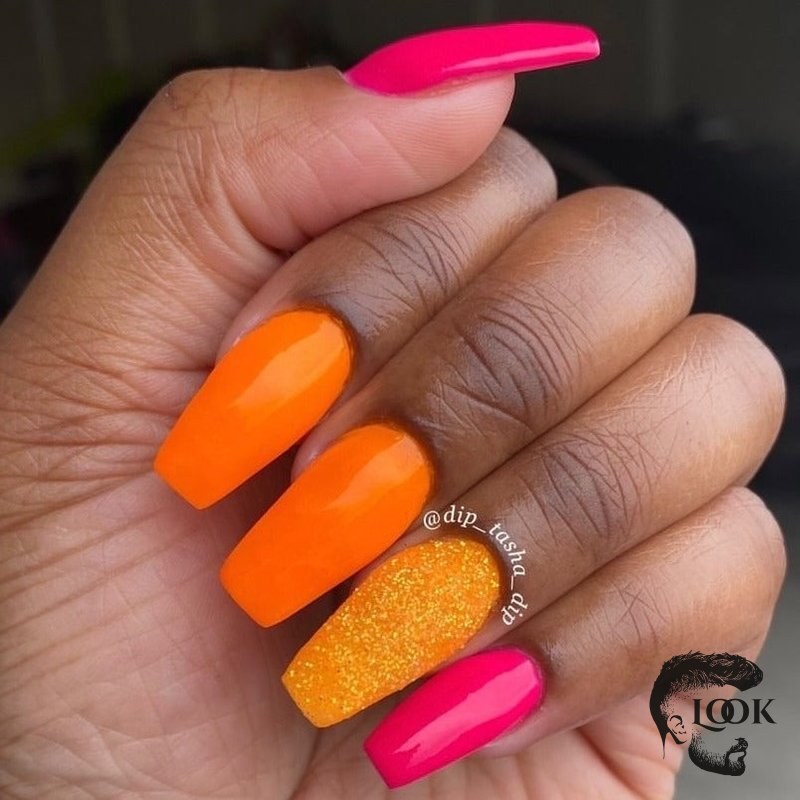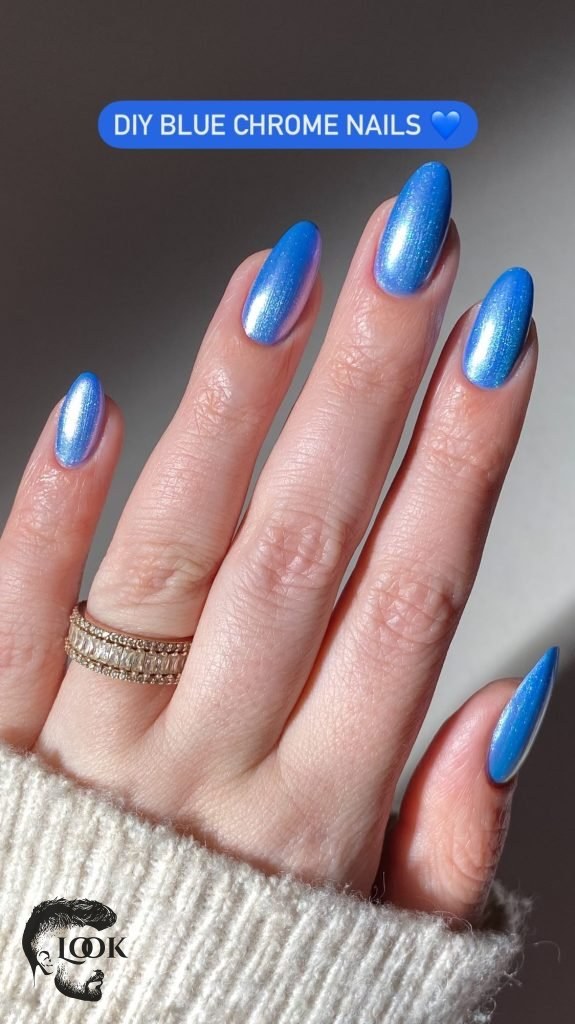
Acrylic nails have long been a favorite for their durability and versatility, offering a flawless finish that lasts. But have you ever wondered about the magic behind this popular nail enhancement? Acrylic powder primarily consists of a blend of polymer beads, usually polymethyl methacrylate (PMMA) or polyethyl methacrylate (PEMA), which when combined with a liquid monomer, create the hard, protective layer that defines acrylic nails. At Barberia Peluquería Look Madrid, we believe in empowering our clients with knowledge about the products we use, ensuring you understand the science behind your beautiful manicure.
Understanding what is in acrylic powder helps you appreciate the intricate process and ensures you make informed choices about your nail care. This guide will delve into the fundamental components, explaining how they interact to form the strong, long-lasting nails you love. Whether you’re a nail enthusiast or simply curious, join us as we uncover the secrets of acrylic powder.
Exploring the Core Components of Acrylic Powder
Acrylic powder is a finely milled polymer that forms the backbone of acrylic nail enhancements. Its composition is crucial for achieving the desired strength, flexibility, and longevity of the nails. The primary ingredients in acrylic powder are polymers, specifically polyethylmethylmethacrylate (PMMA) and polyethyl methacrylate (PEMA), though some older or lower-quality formulas might contain methyl methacrylate (MMA). These polymers are essentially tiny plastic beads that, when mixed with a liquid monomer, initiate a chemical reaction that cures and hardens into a durable nail extension. The precise blend of these polymers dictates the powder’s workability, strength, and overall performance.
Beyond the main polymers, other additives play significant roles. Initiators are crucial for kickstarting the polymerization process when the powder meets the monomer. Pigments are responsible for the wide array of colors available, from classic whites and pinks to vibrant hues and glitters. UV inhibitors are often included to prevent yellowing, ensuring the nails maintain their pristine appearance over time. Understanding these components gives a comprehensive insight into what is in acrylic powder and how it contributes to the final product.
Primary Polymers: PMMA and PEMA
The majority of high-quality acrylic powders rely on polymethyl methacrylate (PMMA) or polyethyl methacrylate (PEMA) as their core component. PMMA is a transparent thermoplastic known for its strength, clarity, and shatter-resistant properties. It’s often used in various applications beyond nails, such as medical devices and windows, due to its robustness. In acrylic powder, PMMA forms the strong, rigid structure of the nail enhancement. PEMA, on the other hand, offers a slightly softer and more flexible finish compared to PMMA, which can contribute to better adhesion and reduced brittleness. The choice between PMMA and PEMA, or a blend of both, often depends on the desired characteristics of the finished acrylic nail, such as flexibility, hardness, and ease of application.
These polymers are supplied as fine powders, ready to be mixed with a liquid monomer. When combined, they undergo a polymerization process, transforming from a powdery substance into a solid, durable material. This chemical reaction is fundamental to creating the long-lasting and resilient acrylic nails that clients love. It’s important to note that reputable brands prioritize the use of PMMA and PEMA due to their safety and performance.

Understanding the Role of Methyl Methacrylate (MMA)
While PMMA and PEMA are the industry standard for professional acrylic powder, some cheaper, lower-quality products might contain methyl methacrylate (MMA). MMA is a liquid monomer that has been historically used in dental and medical procedures. However, its use in nail products has been largely phased out and is even banned in many regions due to several significant drawbacks. MMA-based acrylics are known for creating extremely hard nails that are difficult to file or remove, often leading to natural nail damage. They also have a strong, unpleasant odor and can cause allergic reactions, making them unsafe for both clients and nail technicians.
For these reasons, reputable salons like Barberia Peluquería Look Madrid strictly avoid products containing MMA, opting instead for safer and more effective EMA-based (ethyl methacrylate) monomers and high-quality polymer powders. Always ensure your nail technician uses professional-grade products to protect your nail health and achieve superior results.
How Acrylic Powder Works with Monomer Liquid
The transformation of acrylic powder into a durable nail enhancement is a fascinating chemical process that occurs when it interacts with a monomer liquid. This liquid, typically ethyl methacrylate (EMA), acts as the catalyst that initiates polymerization. When a brush dipped in monomer liquid is pressed into the acrylic powder, it picks up a “ball” of the mixture. At this point, the monomer liquid starts to dissolve the surface of the polymer beads in the powder. This dissolution creates a viscous, pliable substance that can be sculpted onto the nail. The chemical reaction between the polymer powder and the liquid monomer causes the mixture to harden, or cure, within minutes. This curing process does not require UV light, unlike gel polish, and typically happens by air drying.
The precise ratio of powder to liquid is crucial for optimal results. Too much liquid can make the mixture too runny and weak, while too much powder can result in a lumpy, brittle finish. A skilled nail technician carefully controls this ratio to create a strong, beautiful, and long-lasting acrylic nail.

The Polymerization Process Explained
The polymerization process is at the heart of how acrylic powder and monomer liquid create a solid nail enhancement. When the liquid monomer (usually EMA) comes into contact with the polymer powder (PMMA/PEMA), the initiator molecules within the powder are activated. These initiators break down into free radicals, which then attack the double bonds of the monomer molecules. This initiates a chain reaction where monomer molecules link together, forming long polymer chains. As more and more chains form and intertwine, the mixture gradually solidifies, trapping the polymer beads within a dense, cross-linked network. This transformation from a liquid-powder mix to a hard, durable solid is what provides the strength and longevity of acrylic nails.
The speed of this curing process can be influenced by several factors, including the room temperature, the specific formulation of the powder and liquid, and the ratio in which they are mixed. Understanding this polymerization process helps explain what is in acrylic powder and how its chemical properties contribute to the final nail product.

Additives and Their Functions in Acrylic Powder
Beyond the primary polymers, various additives are incorporated into acrylic powder formulations to enhance their performance, appearance, and ease of use. These additives are carefully selected to contribute specific properties to the finished nail. Color pigments, for instance, are responsible for the vast array of shades available, from natural nudes and pinks to vibrant glitters and bold colors. These pigments are finely ground and blended into the polymer powder, ensuring an even and consistent color distribution.
UV inhibitors are another critical additive, designed to prevent the acrylic from yellowing over time when exposed to sunlight or UV radiation. This helps maintain the clarity and original color of the nails, ensuring they look fresh for longer. Flow agents and leveling agents are also often included to improve the workability of the powder, allowing it to self-level more effectively and reduce the need for excessive filing. These additives collectively play a significant role in determining the quality and characteristics of what is in acrylic powder.
| Additive Type | Primary Function | Benefits in Acrylic Nails |
|---|---|---|
| Color Pigments | Provide a wide range of colors and opacities. | Enhances aesthetic options, allows for various designs. |
| UV Inhibitors | Prevent yellowing of the acrylic material. | Maintains color integrity and clarity over time. |
| Initiators | Kickstart the polymerization process with monomer. | Ensures proper curing and hardening of the acrylic. |
| Flow/Leveling Agents | Improve workability and self-leveling properties. | Easier application, smoother finish, less filing required. |
| Plasticizers | Increase flexibility and reduce brittleness. | Enhances durability, less prone to cracking. |

Different Types of Acrylic Nail Powder
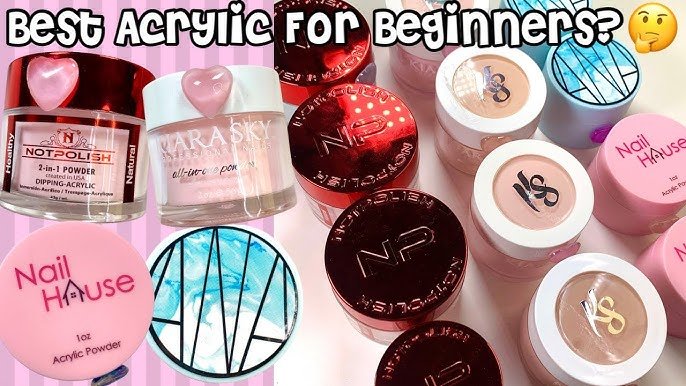
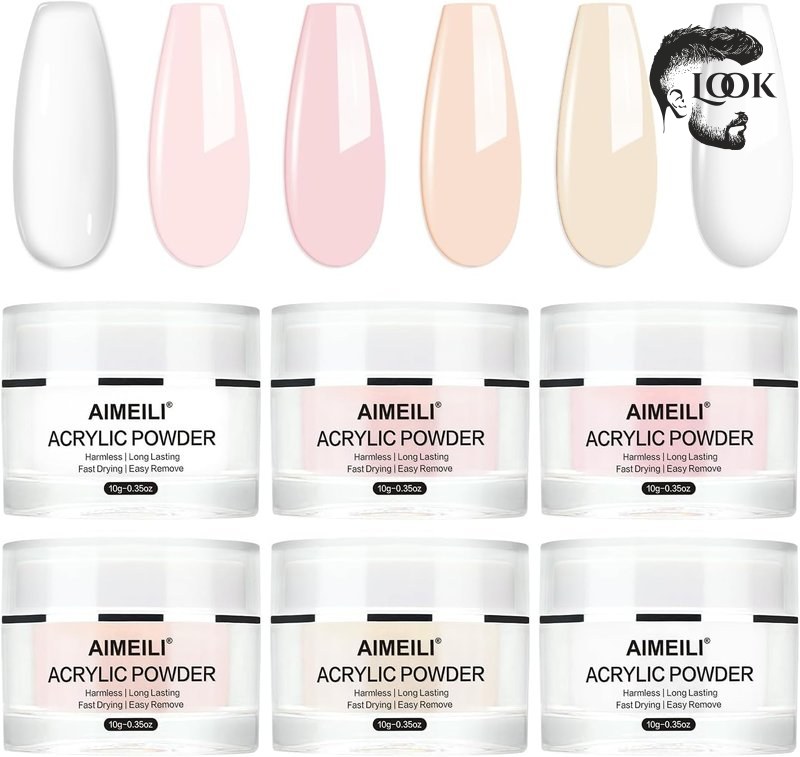
The world of acrylic nails offers a surprising variety of powders, each designed for specific purposes and artistic effects. Understanding the different types of acrylic nails powder allows both technicians and clients to choose the best option for their desired outcome. The most common types include clear, white, and pink powders, which form the foundation of many classic acrylic sets. Clear powder is invaluable for encapsulating designs, glitters, and creating a transparent finish. White powder is essential for crisp French tips, while pink powders are used to create a natural-looking nail bed, often mimicking the natural color of the nail.
Beyond these basics, there are also specialized powders such as cover powders, glitter powders, and colored acrylics. Cover powders are typically opaque and come in various nude and pink shades, designed to conceal imperfections on the natural nail bed or extend its appearance. Glitter powders are infused with various types of glitter, offering endless possibilities for sparkling designs. Colored acrylics come in a spectrum of hues, allowing for vibrant and artistic nail creations without the need for additional polish. Each type of acrylic powder is formulated with specific properties to achieve distinct aesthetic and structural results.

Classic Clear, White, and Pink Powders
Classic clear, white, and pink acrylic powders are the foundational elements of any professional acrylic nail kit. Clear acrylic powder is highly versatile, primarily used for encapsulating glitter, dried flowers, or other nail art elements, providing a transparent and protective layer. It allows light to pass through, enhancing the visual depth of encapsulated designs. White acrylic powder is the go-to for creating crisp, defined French manicure tips. Its opaque nature ensures a sharp, clean line that stands out against the natural nail bed.
Pink acrylic powder, often available in various shades from sheer to opaque, is used to create a natural-looking nail bed. It can conceal imperfections, extend the appearance of the nail plate, and provide a healthy, rosy glow. Some pink powders are designed to be more translucent, mimicking the natural nail, while others offer more coverage. These three essential types of acrylic nails powder form the basis for countless designs and are indispensable for any skilled nail technician.

Specialty Powders: Cover, Glitter, and Colored Acrylics
Beyond the classic shades, specialty acrylic powders open up a world of creative possibilities for nail art. Cover powders are opaque, flesh-toned powders designed to camouflage imperfections on the natural nail bed, such as discoloration or short nail plates. They create an illusion of a longer, more uniform nail bed, making them popular for French manicures and for clients seeking a pristine, natural look. These powders come in various nude and pink shades to match different skin tones.
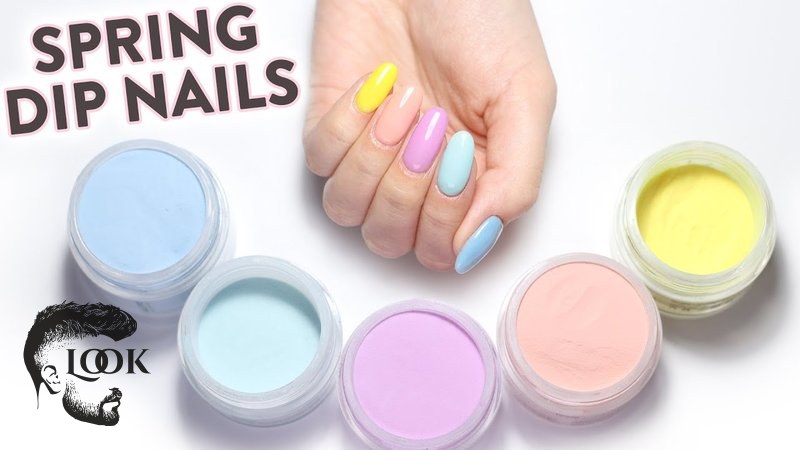
Glitter acrylic powders are infused with various types, shapes, and sizes of glitter, offering dazzling effects that can range from subtle shimmer to full-blown sparkle. They eliminate the need for separate glitter application, saving time and ensuring a smooth, encapsulated finish. Colored acrylics provide a vast palette of vibrant and pastel shades, allowing for intricate designs, ombre effects, and solid color applications without the need for gel polish or traditional nail lacquer. These specialty powders greatly expand the artistic potential of acrylic nails, making them a staple for creative nail technicians at Barberia Peluquería Look Madrid.

Choosing Quality Acrylic Powder for Salon Services
Selecting high-quality acrylic powder is paramount for any professional nail salon aiming to deliver exceptional results and ensure client safety. The quality of what is in acrylic powder directly impacts the durability, appearance, and overall health of the client’s nails. Professional-grade powders are formulated with pure, safe polymers like PMMA or PEMA and are free from harmful substances such as MMA. These superior formulations ensure a strong, flexible, and non-yellowing finish that resists lifting and breakage, providing a long-lasting and aesthetically pleasing manicure.
In addition to the chemical composition, professional powders are finely milled and consistently blended, which allows for smoother application and better workability. This results in a more efficient service for the technician and a more comfortable experience for the client. Choosing reputable brands that adhere to safety standards and provide detailed ingredient lists is crucial. At Barberia Peluquería Look Madrid, we are committed to using only the finest acrylic powders and monomer liquids, ensuring that every nail service meets the highest standards of quality and safety.

Importance of EMA-Based Monomers
The monomer liquid chosen to mix with acrylic powder is just as important as the powder itself. Ethyl methacrylate (EMA) based monomers are the professional standard and are crucial for safe and effective acrylic nail application. Unlike MMA, EMA is formulated to be less rigid, allowing for easier filing and removal without damaging the natural nail. It also has a significantly less offensive odor, improving the salon environment for both clients and technicians. EMA monomers are designed to be compatible with PMMA and PEMA powders, ensuring proper polymerization and creating strong, flexible, and durable nail enhancements.
Using an EMA-based monomer significantly reduces the risk of allergic reactions and provides a more pleasant experience overall. Professional nail technicians always prioritize EMA-based monomers due to their superior performance and safety profile, upholding the highest standards of nail care.

Signs of High-Quality vs. Low-Quality Acrylic Powder
Distinguishing between high-quality and low-quality acrylic powder is essential for ensuring both client safety and the longevity of nail enhancements. High-quality acrylic powder, typically composed of PMMA or PEMA, will have a fine, consistent texture, allowing for smooth application and a flawless finish. It will also cure predictably when mixed with an EMA monomer, forming a strong yet flexible nail that resists yellowing, lifting, and cracking. The odor of high-quality products, while present, will be much less pungent compared to lower-grade alternatives.
Conversely, low-quality acrylic powder, particularly those containing MMA, often has a gritty or inconsistent texture. Nails created with these powders tend to be excessively hard and brittle, making them difficult to file and prone to severe damage to the natural nail. The strong, distinct chemical smell associated with MMA is a significant indicator of a low-quality product. Additionally, nails made with inferior powders may yellow quickly and be more susceptible to lifting. Always opt for professional brands that clearly list their ingredients to guarantee safety and superior results.
Frequently Asked Questions About Acrylic Powder
What is the main ingredient in acrylic powder?
The main ingredient in acrylic powder is polyethylmethylmethacrylate (PMMA) or polyethyl methacrylate (PEMA), which are finely ground polymer beads. These polymers are designed to react with a liquid monomer to create a strong and durable nail enhancement.
Can I mix different brands of acrylic powder and liquid?
It is generally not recommended to mix different brands of acrylic powder and liquid. Formulations can vary significantly between brands, potentially leading to improper curing, weak nails, discoloration, or other undesirable results. For best outcomes, stick to products from the same system.
How long do acrylic nails last?
Acrylic nails typically last for about 2-3 weeks before needing a fill or rebalance. The exact duration depends on several factors, including natural nail growth, proper application technique, and how well the client maintains their nails. Regular maintenance is key to their longevity.
What is the difference between acrylic powder and dip powder?
While both create strong nail enhancements, acrylic powder requires mixing with a liquid monomer to form a malleable ball for sculpting. Dip powder, however, involves dipping the nail into the powder, which then hardens when a liquid activator is applied. Their application methods and sometimes their chemical compositions differ.
Why do my acrylic nails lift?
Acrylic nail lifting can occur for several reasons, including improper nail preparation, incorrect powder-to-liquid ratio during application, exposure to excessive moisture, or chemical reactions with certain products. Choosing a skilled technician and following aftercare instructions can help prevent lifting.
Conclusion: The Science Behind Beautiful Acrylic Nails
Understanding what is in acrylic powder truly unveils the intricate science behind creating durable and beautiful acrylic nails. From the core polymers like PMMA and PEMA to the crucial role of EMA monomers and various performance-enhancing additives, each component plays a vital part in forming the strong, long-lasting enhancements you adore. This comprehensive look at the composition of acrylic powder not only demystifies the product but also empowers you to make informed decisions about your nail care.
At Barberia Peluquería Look Madrid, we pride ourselves on using high-quality, professional-grade products, ensuring that your acrylic nails are not only stunning but also safely applied and long-lasting. By choosing a salon that prioritizes understanding what is in acrylic powder and adheres to best practices, you invest in the health and beauty of your nails. We hope this guide has provided valuable insights into the fascinating world of acrylic nails. To learn more about our services or to book your next appointment, visit our homepage or explore more articles like this one at what is in acrylic powder.